Historical background of Lenin Peak
The inner part of Pamir Mountain System remained unexplored until the second half of the 19th century. Although, Philip Yefremov - a captive traveller of Russian origin - had involuntarily begun exploration of this unknown part of Central Asia as early as 1774-1782. In doing so he became the first ever European to travel across the Alay Range.

The first ever attempt to scientifically penetrate deeper into heart of this enigmatic mountain country was made by Russian explorer Aleksey P. Fedchenko. It was him who was to discover the Zaalay Range and its highest summit in 1871. Here below is a quote from his diary:
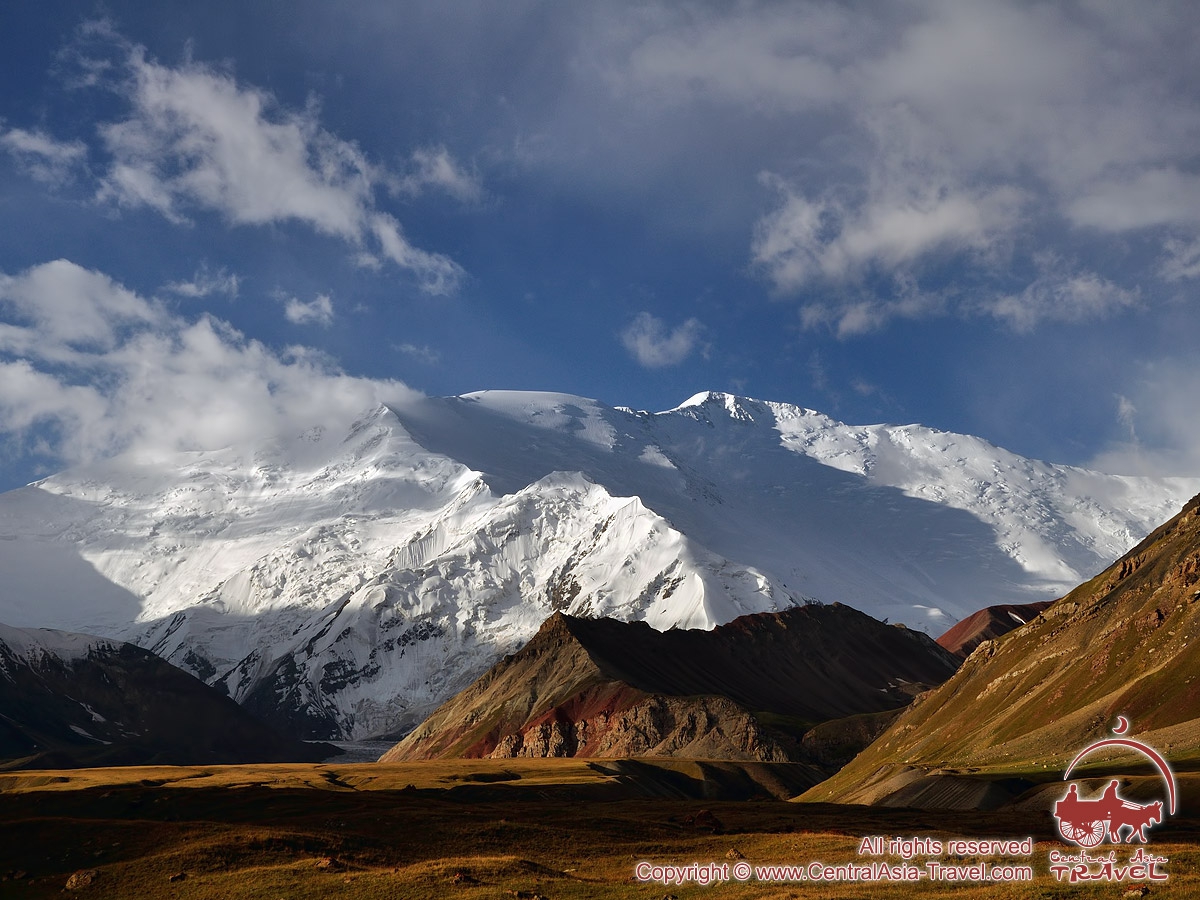
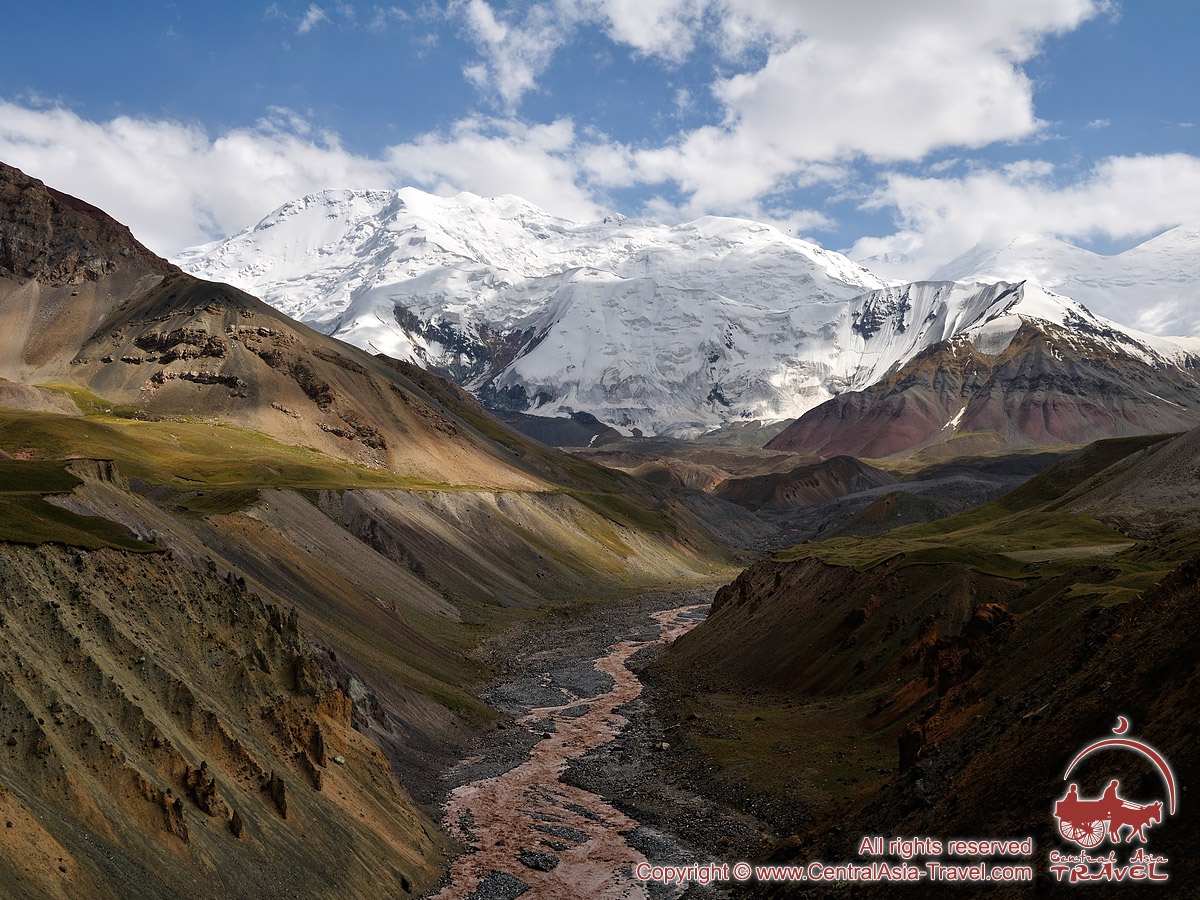
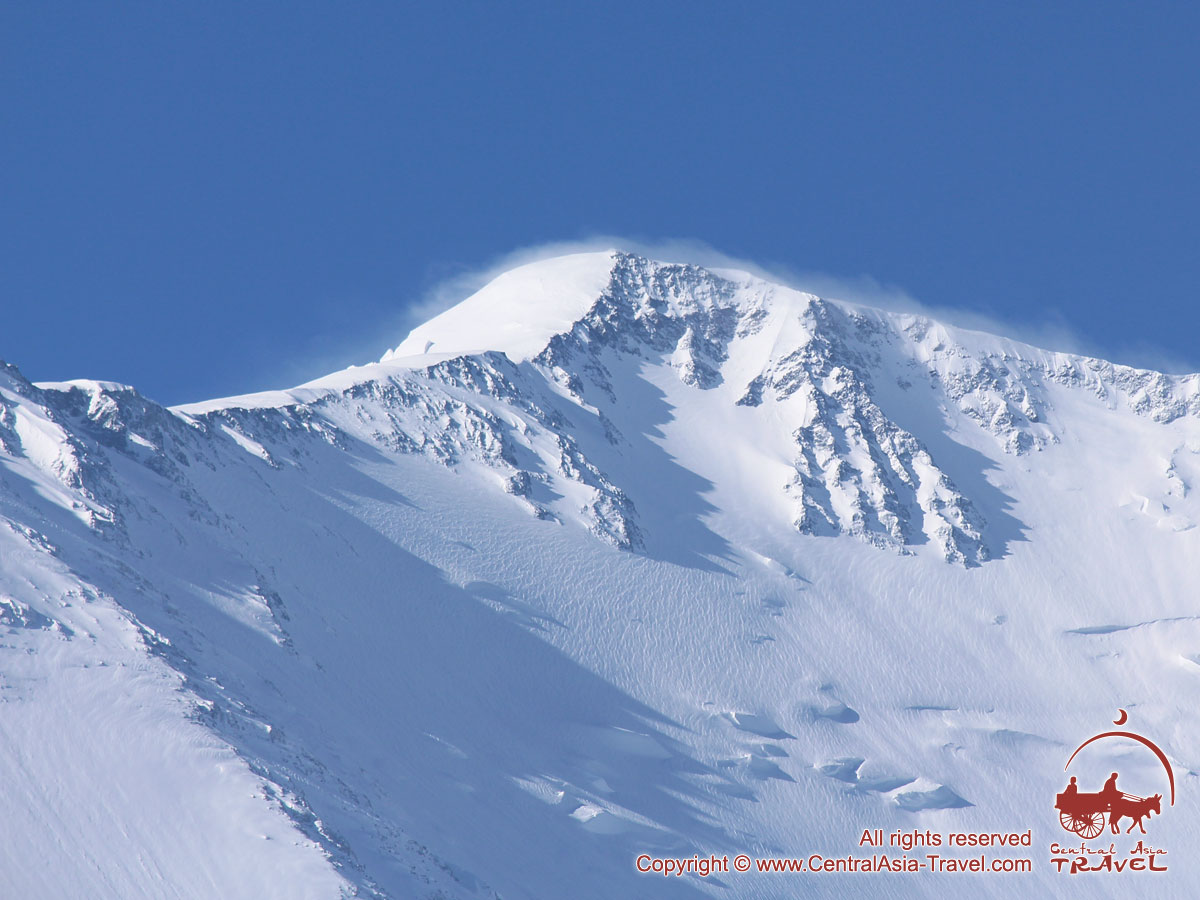
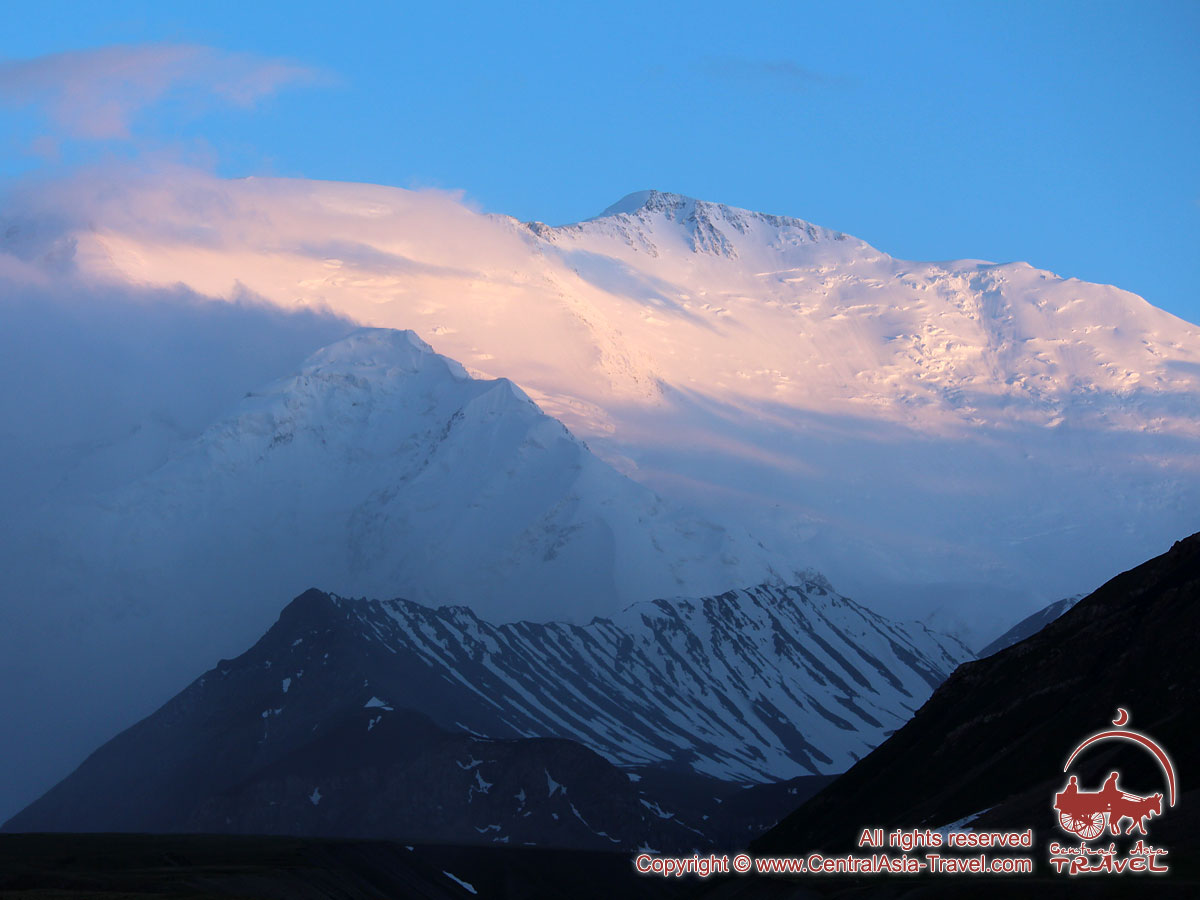
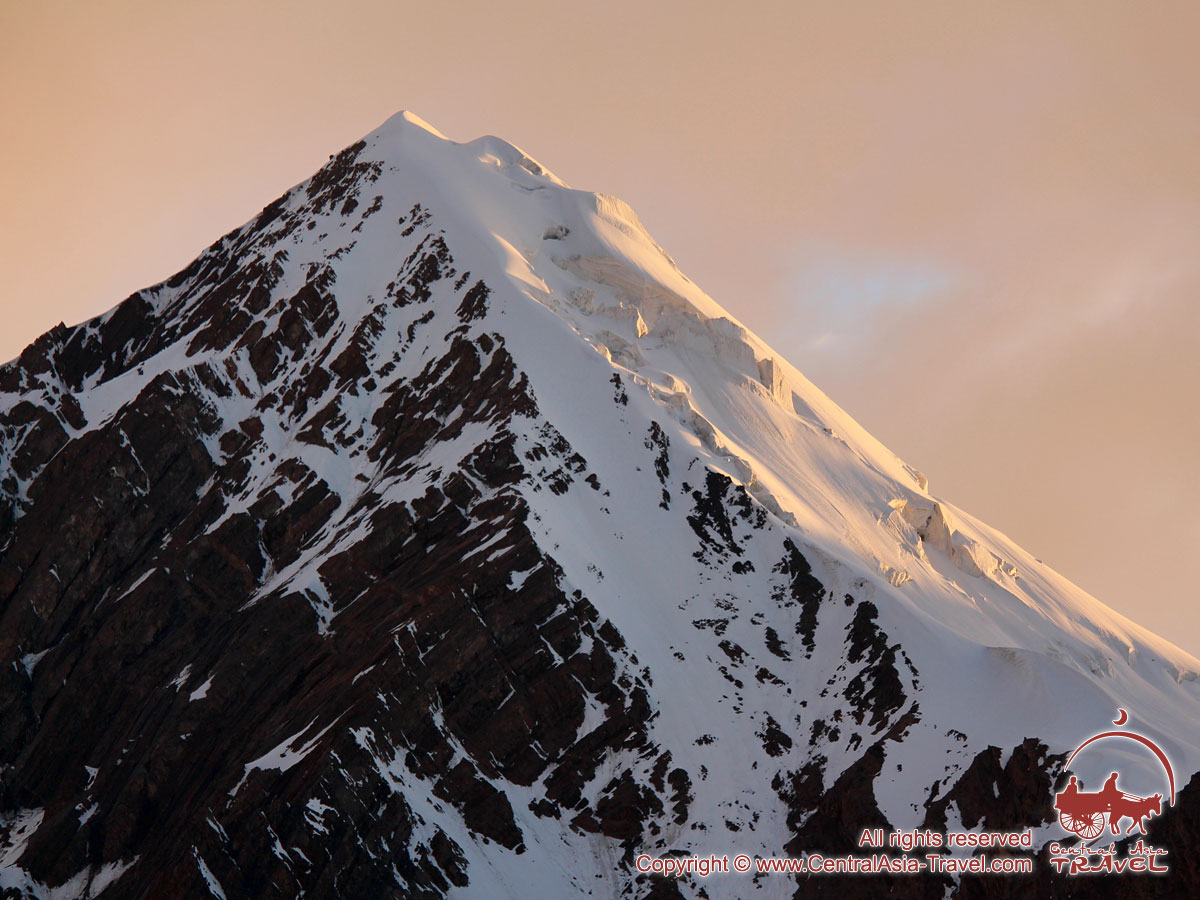
“Lying at the angle of 115o, i.e. nearly straight to the East, we could see a peak that however its proximity looked higher than others. I have already noticed the peak from the pass below as a very high point of the range. The summit was almost continuously obstructed by clouds, and one had to gaze at it for quite long before coming to the idea of the shape of the mountain. The shape was quite distinctive: a pyramid the base of which was much bigger than its height. Irregular pyramid though: its northern slope steep while it’s southern one gently sloping into mountain massif. No single speck of black we saw, the entire mountain was covered in snow…”.
Fedchenko was travelling from the Fergana Valley to the Allay Valley across the Alay Range from where he first saw the peak from the Tengizbaev Pass:
“… Later, from the bottom of the Alay Valley, I saw the peak that seemed to be the highest. As to its height, for lack of geodesic instrument measurements I had to approximate by using indirect data. That is, I assume, the peak by its height is close to 25,000 feet (7,620m).”
For all appearances, the above quote from Fedchenko is telling us about the peak that later on was to be named Lenin Peak however he named it Kaufman Peak (after the first Governor-General of the Turkestan Kray).
The next page in the history of exploration of the high-mountain area was turned over by the Central Asia Travel organised by the Academy of Science of the USSR in 1928. In the course of their travels, the expedition explored the Zaalay Range and named all of the summits not yet christened by the local residents there. Thus, Peak Dzerjinsky, Peak Sverdlov and Peak Krasin got their own names and the highest point of the range (regarded as highest geographic point of the USSR at that time) was renamed to Peak Lenin. The same year in September, having accomplished the expedition’s main tasks, German and Austrian members attempted a climb to the peak. They mapped their route to start from the south (from today’s Tajikistan side) and go along the eastern ridge from the saddle 5,820m of the Zaalay Range (later on the saddle was named as Krylenko Pass).

The climbers suffered freezing cold, especially on the last few metres of the ascent to the top. They eventually reached the summit on the 25th of September 1928 at 15:30. Here are the names of the German mountaineers who first got to the top of the Peak Lenin: E. Allwein, K. Winn and E. Snider. Later they had found their feet with ordinary leather mountaineer’s boots had become severely frostbitten so after a successful descent they had to undergo serious medical treatment in the town of Osh.
Regrettably, the Germans did not manage to put up any cairn and left no other material evidence or short note at the apex that would justify the record of their ascension. No photographs had been made from the top either. All this has later given their critics grounds to doubt their remarkably quick and successful ascent to the formidable “seventhousander”.
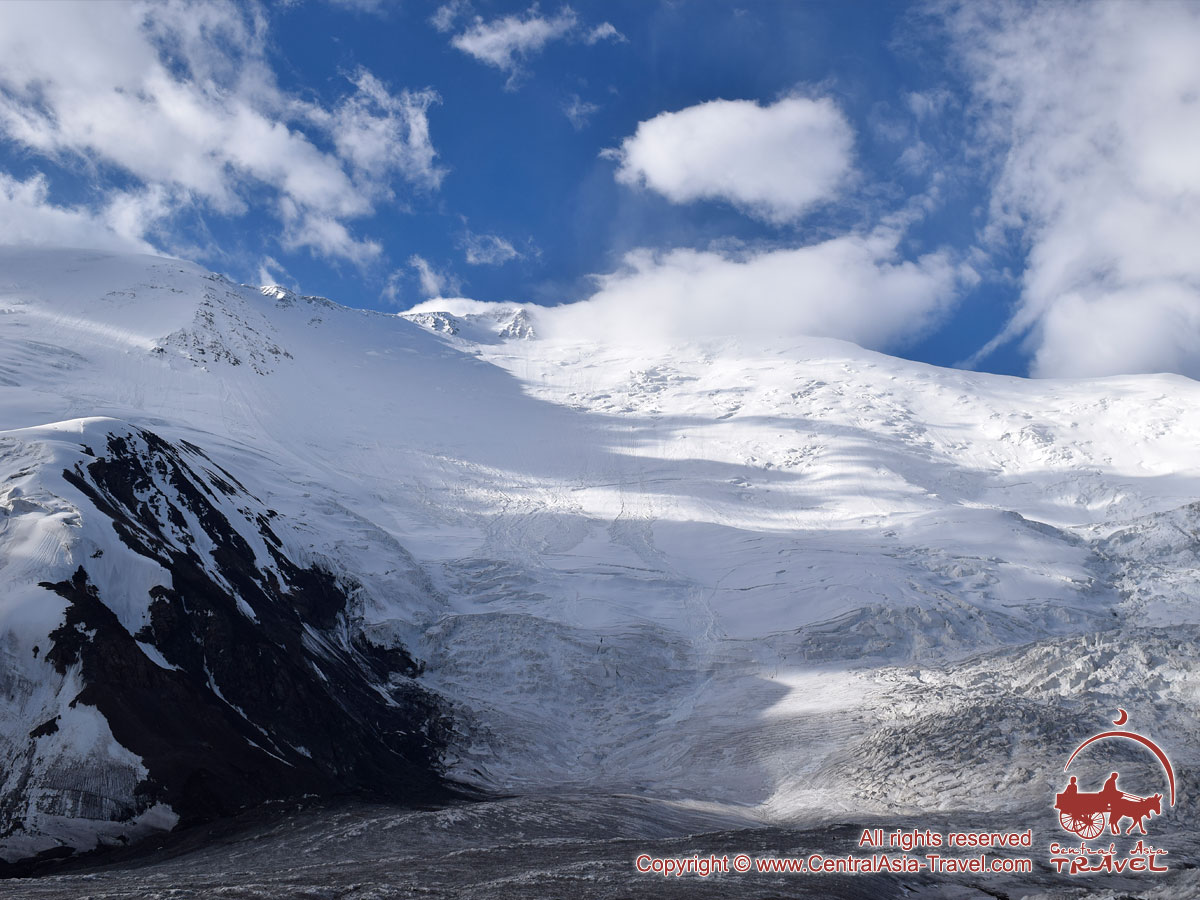
In 1929, Soviet scientists along with a group of Soviet mountaineers led by N. V. Krylenko set off to carry on with the exploration of the “Roof of the World” (Pamir’s nickname). From then on all Soviet Pamir expeditions had mountaineering groups or even parties as an essential part of their staff. The mountaineers attempted the same route as the Germans did a year before but their efforts failed to reap any success. One after another, exhausted participants were falling behind and giving up on the brutal uphill ascent. As a consequence, the only one determined to storm the summit was Krylenko. Still, his common sense prevailed over his ambitions and, after climbing in a very strong storm, he turned back and descended to the camp being just 280m short of the top. Later Krylenko and his companion Nagumanov ventured on a risky descent northwards to the Alay Valley while the rest of the group carried on downhill to the south to the base camp. The decent to the Alaly Valley had been extremely difficult and risky. At the altitude of 4,100m, Krylenko and Nagumanov reached the head of a glacier that then had been named Lenin Glacier. From there they couldn"t see the pass they started from. Instead, whole massifs of Lenin Peak, top to bottom, up to the black rocks shy of the peak’s highest point appeared before them in all their majestic beauty. The mountaineers had then realised that the northern slope would provide better opportunities for future mountaineering routes to the summit as the path was shorter and access to the Lenin Glacier easier from the Allay Valley side. This guesstimate was proven correct as today all of most popular routes to the highest point of the Zaalay Range go on the northern slope of Lenin Peak.

A new wave of advancement towards Lenin Peak began in 1934, this time from the north: from Achick-Tash Gorge in the Alay Valley, along the western arm of the Lenin Glacier. The “offensive” had been organised by Red Army sportsmen-mountaineers led by two most experienced high-altitude climbers of the USSR - Abalakov brothers (Yevgheniy and Vitahliy). Base camp (BC) had been set up at the altitude 4,200m on a grassy spot found ten kilometres upstream the glacier. An impressive achievement - world’s record in mass ascension of people to the altitude of 7,000m had been established by participants of the Pamir March on the 29th September 1934. However, this time the summit was not to be reached. After a short respite at the BC, a second attempt was made to reach the top. Despite heavy snowfalls hindering the proceedings, a group of experienced climbers had got to the top of the Peak Lenin on the 8th September 1934, for the first time now from the north. A cairn had been put up at the apex, dressed in purple broadcloth upon which a bust of the “great leader of all proletarians” Vladimir Lenin was placed (the bust no longer exists).
The year 1935 had been celebrated by first-ever auto mobile road laid out along the Kizilsuu River across the Alay Valley. This had considerably eased organisation of multiple expeditions heading to the foot of the mountain giants of the Central part of the Zaalay Range.
Another Soviet Pamir expedition to the area of Peak Lenin had been organised in 1937. For the first time in the history of mountaineering this expedition used aeroplanes. Pilots headed by M. Lipkin were to deliver loads and people to camps. They also were to air drop foodstuffs and mountaineering gear on to the slopes of the mountain. One such air drop raids ended up with Lipkin’s plane, forced by strong downward air currents to emergency land on the mountain slopes at 5,200m (later on the rocks on the western sub-apical ridge had been named as “Lipkin’s Rocks”). Take off from the limited-space spot proved to be impossible for the plane. In the Autumn of 1937 a party of sappers managed to take most valuable parts of the engine and navigation instruments off the plane while its hull still remains and can be seen there on the Peak Lenin slope. After many long years, the plane was partly stripped by mountaineers for souvenirs. Today one of the most popular routes to the summit lies through the “Lipkin’s Rocks”.
Till 1948, Peak Lenin was believed to be 7,127m high. Then after more accurate topographic work the peak was proven to be higher than first expected. It proved that the altitude of 7,127m relates to the northern point of the apical cupola where, traditionally, route notes are left by mountaineers in the cairn. From the cairn, a broad ridge starts gradually sloping upwards keeping to the south towards loose rocky formations. Approximately 250-300m past, the ridge ends up in a group of rather low rocks. That is where the highest point of the Peak Lenin, which now is 7,134.3m high above sea level, is found.
The top of the Peak Lenin had seen many notorious Soviet climbers (Vladimir I. Ratzec, Y. G. Arkin and others). In 1952, for the first time Peak Lenin had been traversed west eastwards: from the well-known Razdelnaia Mountain uphill along the ridge to the apex and then downhill along the way of the first explorers of the 1928.

The history of mountaineering at Lenin Peak knows events of brilliant achievement and heavy loss and tragedy. Simultaneous ascents of masses (dozens) of mountaineers (called as “Alpiniadas”) were particularly popular and still are regarded as a splendid achievement of the Soviet past. The mass ascensions allowed the birth of many high-class high-altitude mountaineers. On the other hand, this increased risk and resulted in some tragic accidents.
1968 saw the first-ever parachute descent organised at Lenin Peak which ended in tragedy. Miscalculated strong side wind had drifted the parachutists over the ridge and forced them to land amidst rocks. This caused four people to die (in memory of them, a monument then had been erected at the “Onion Glade”) and many more injured. The same year, Valentin Suloev hit a success with his first-ever ski downhill from the summit.
The year 1974 has left indelible imprints in the hearts of all Soviet mountaineers. All eight members of the USSR’s national female team headed by Elvira Shataeva had been caught by harsh weather at the altitude about 7,000m and died on the Peak. Stormy weather and extremely strong wind carrying egg-shell snow charges had ruined their tents, exhausting and killing the women team. Below is a quote from the book by Vladimir Shataev (Elvira Shataeva’s husband):

“7th August, two o’clock AM, a heavy snow storm hits the summit, the storm in most encyclopaedic meaning of this word. How do I explain what this really means?.. The storm comes down from the skies to take roofs off, break walls through, tear wires up, root trees out and fall masts down … Still it is lots more fierce up there on the mountain where the wind is fresh-strong and not weakened by the ridges… The one entangled by the wind is like a mosquito hosed in by a vacuum cleaner - similarly helpless and, essentially, not understanding what is happening… The storm has torn the tents to shreds, blown all the staff away, mittens and stoves included, and scattered them around on the slope. Some things have been saved, most importantly - portable radios". They reported the incident at 10 AM over a radio session. Fifteen minutes had passed after the report but in spite of terrible weather, a rescue team of mountaineers set off from the BC aiming to save the girls. Without asking and purely on their own initiative French, English and Austrian mountaineers too set out on their way to help the entrapped women. Japanese mountaineers left their camp at 6,500m and headed towards the ridge. For two fruitless hours, risking their lives, they were doing their utmost to find the victims in the misty blizzard... Alas, all was in vain!”
The storm that broke out did not allow mountaineers who camped nearby the scene of the tragedy to find and rescue the victims and only radio was transmitting the last sobs and words of farewell from them… Only 200m away, vertically… One could not help but shudder when looking at the men crying… Not even the most experienced climbers had managed to reach the victims. Later the same year, they were buried at the snow-covered plateau (6,100m). Next year (1975) mountaineers from the whole of the USSR gathered together at Lenin Peak to take part in a rescue operation. The six dead women then were re-interred at the “Edelweiss Glade”.
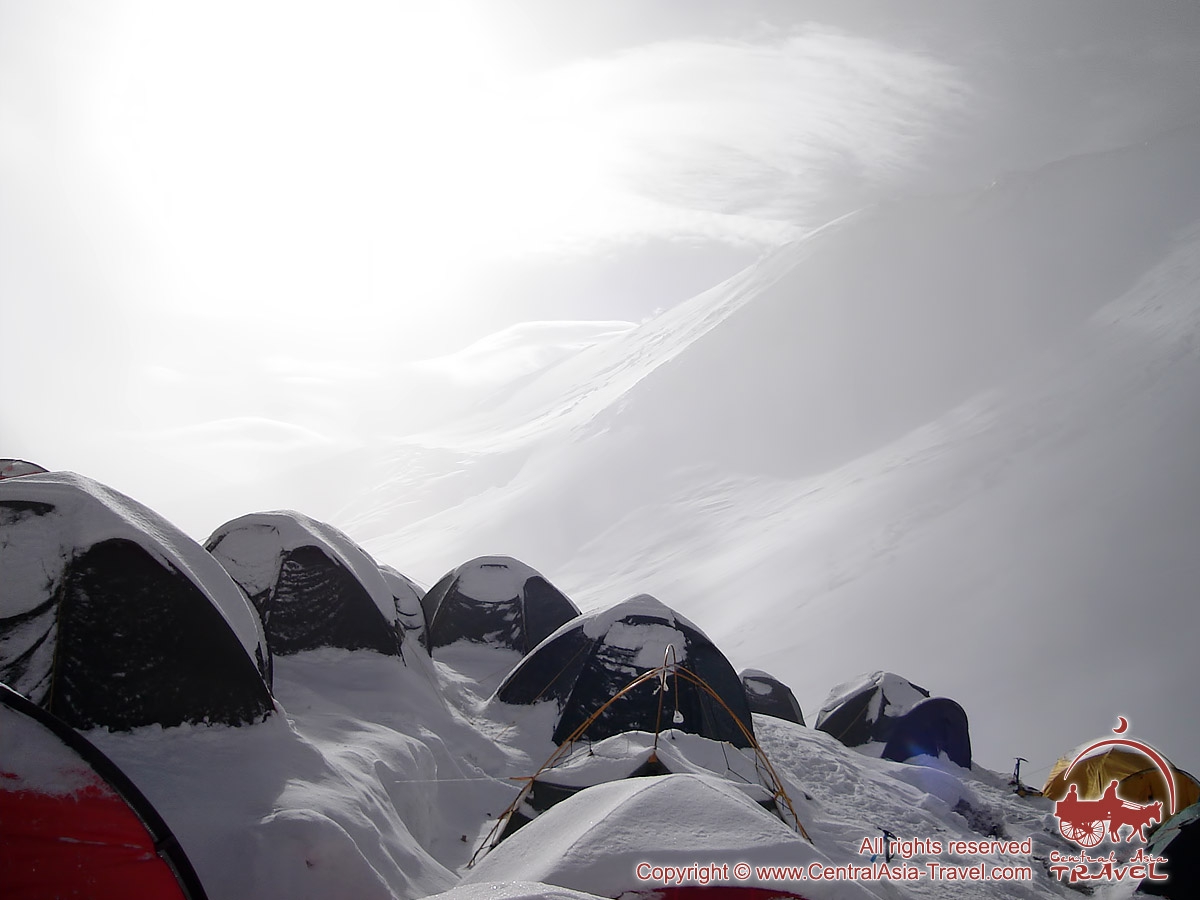
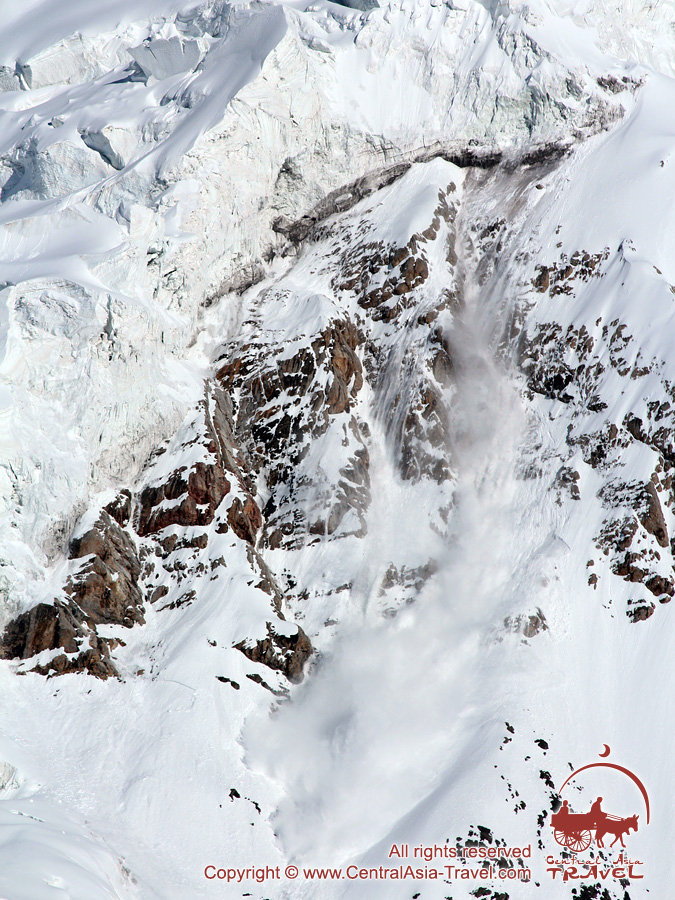
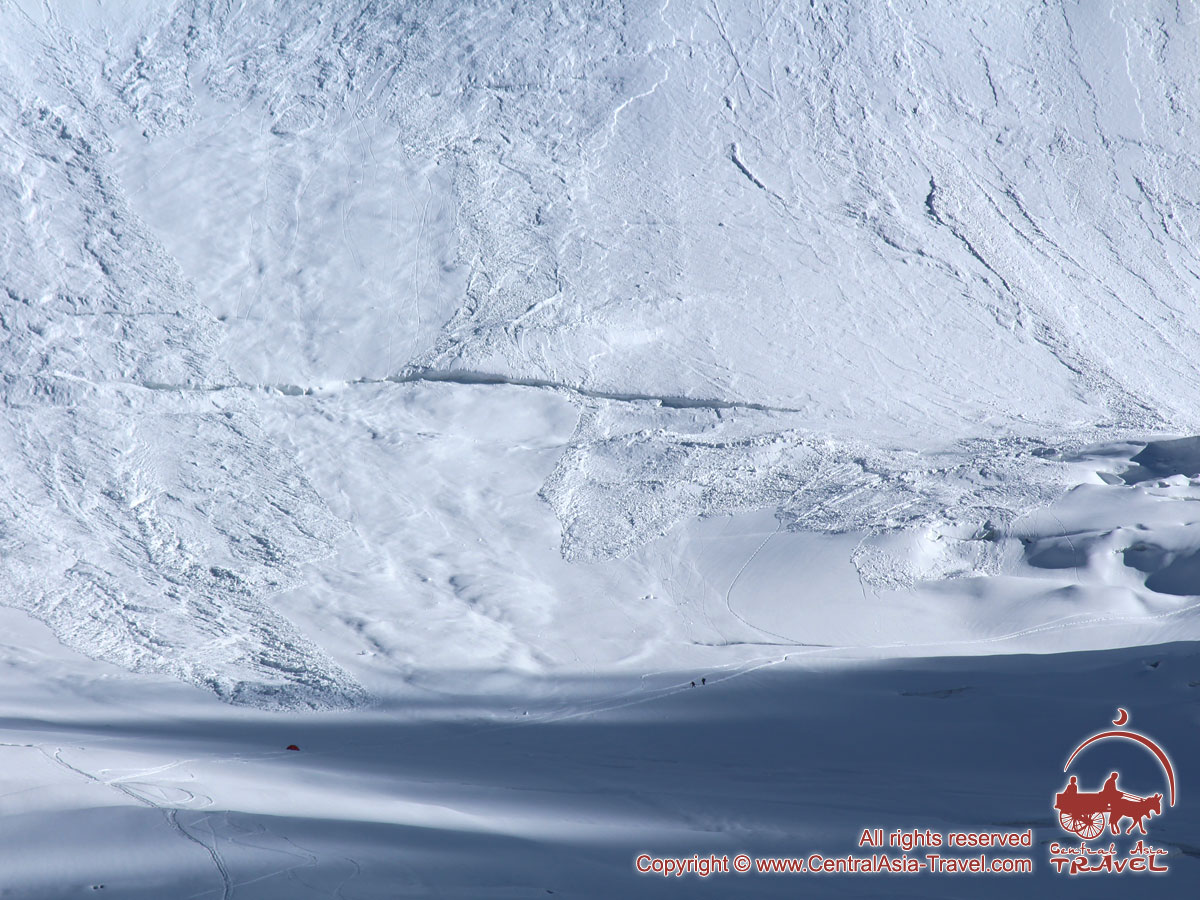
Another tragedy happened on the slopes of Peak Lenin on the 13th July 1990 when an earthquake triggered a huge avalanche that rushed down the slope from 6,148m, slightly to the left of the Razdelnaya Mountain, burying the mountaineering campsite at 5,300m (at so called “frying pan”). Multiple groups of climbers from different countries of the world were camping there preparing themselves for the ascent and there was nothing to warn of any disaster. All of a sudden, late in the night, a minor earthquake caused an ice block to fall off the slope and trigger an enormous ice-snow avalanche. In seconds, the avalanche swept its way through the camp and covered 45 people with a thick snow blanket. Out of 45 mountaineers, only two survived: Aleksey Koren from Leningrad and Miro Grozman from Slovakia. 43 died, out of them 20 were sportsmen from Leningrad. The horror of the tragedy multiplied by the fact that despite thorough searching assisted by helicopter and specialist rescuers only one body was found - the body of Yelena Eremina. Even now, the mountain keeps its dark secret. This has been greatest mountaineering tragedy in the history of Lenin Peak.
In this life anything can happen and along with tragedies, the history of conquering of Peak Lenin knows many a happy and successful ascent. A number of those coming here with a desire of getting the top of the great “seventhousander” is growing year on year and every subsequent year the number of those succeeding in so doing grows larger. The year 2006, for instance, has seen a record number of successful ascents. Make your own judgement: from the quantity of 165 climbed participants (our clients) - 53 have successfully made it and will certainly remember a unique and thrilling experience forever when the whole of the Pamir was lying there their feet!
The history of Peak Lenin is not complete and is being written every year. This is where you who can write in a new page, a page of your own!
In 2006, in commemoration of the 15th anniversary of the Republic of Tajikistan, in accordance with decree issued by President Emomali Rahmonov, Lenin Peak (7,134m above sea level) has been renamed Peak Abu Ali ibn Sino while the Government of Kyrgyzstan has left the old name unchanged.
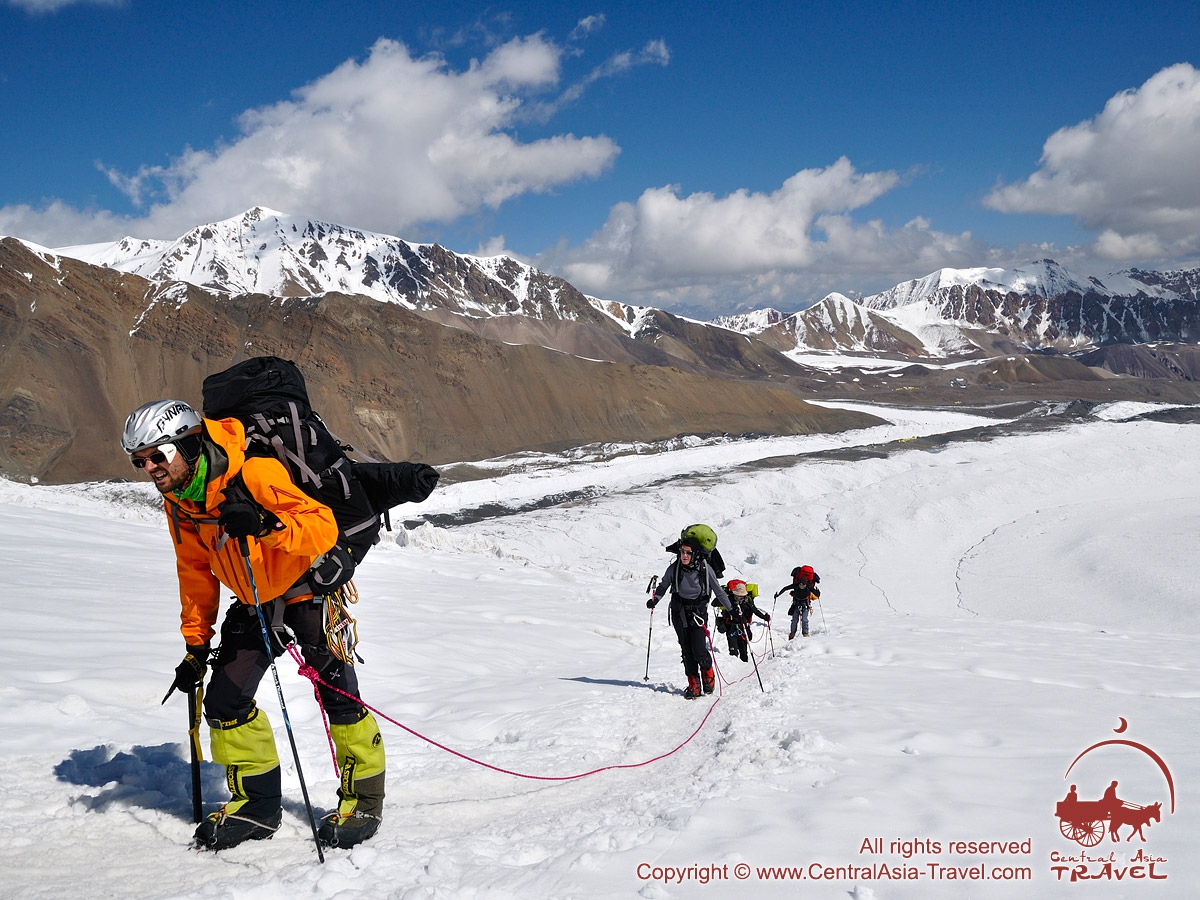
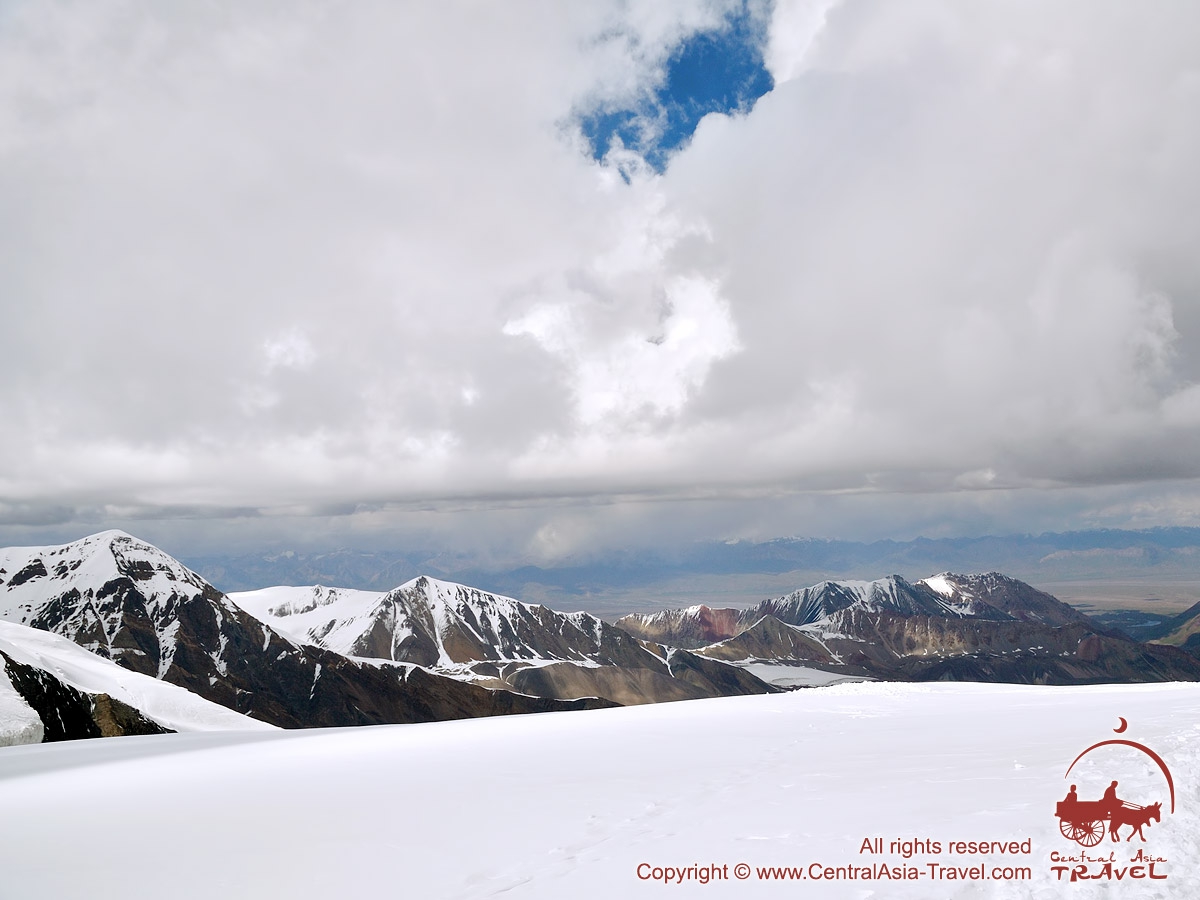
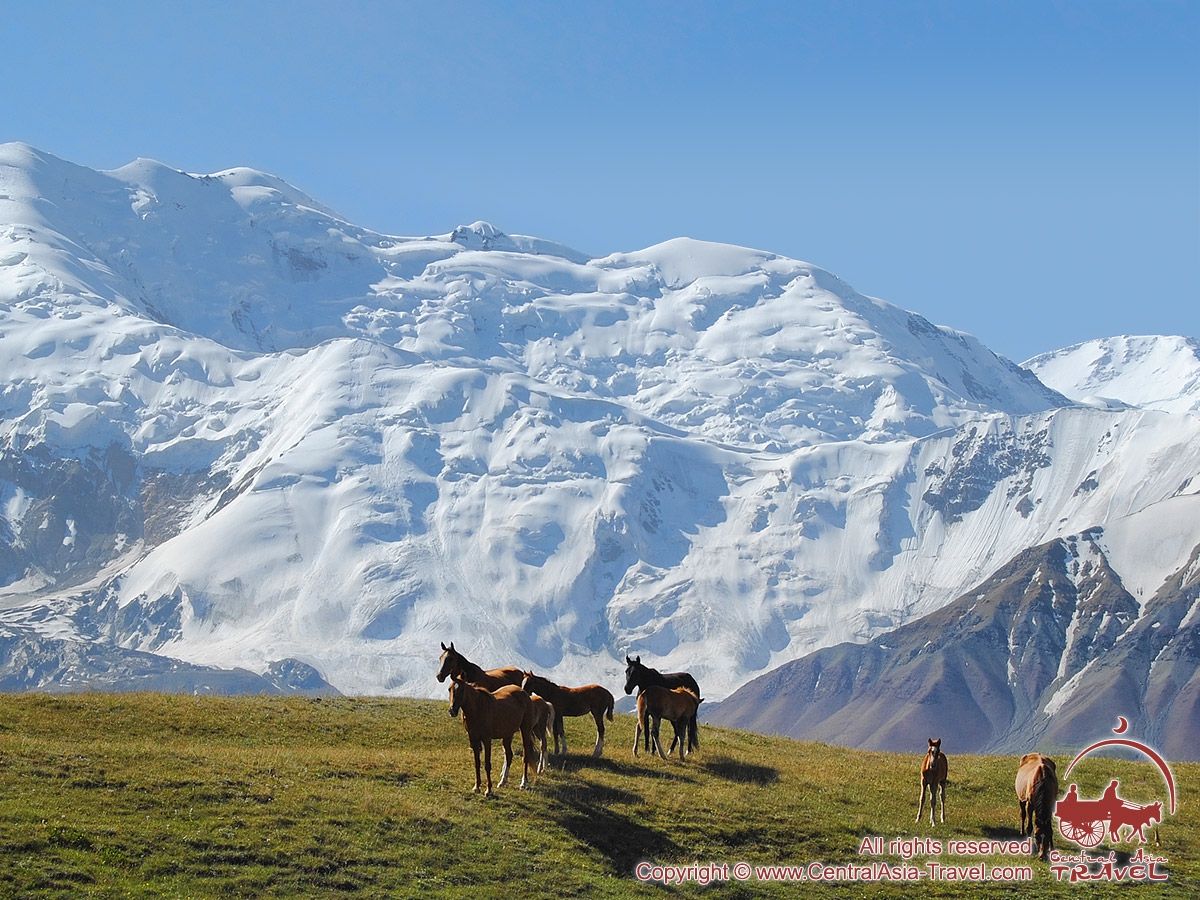
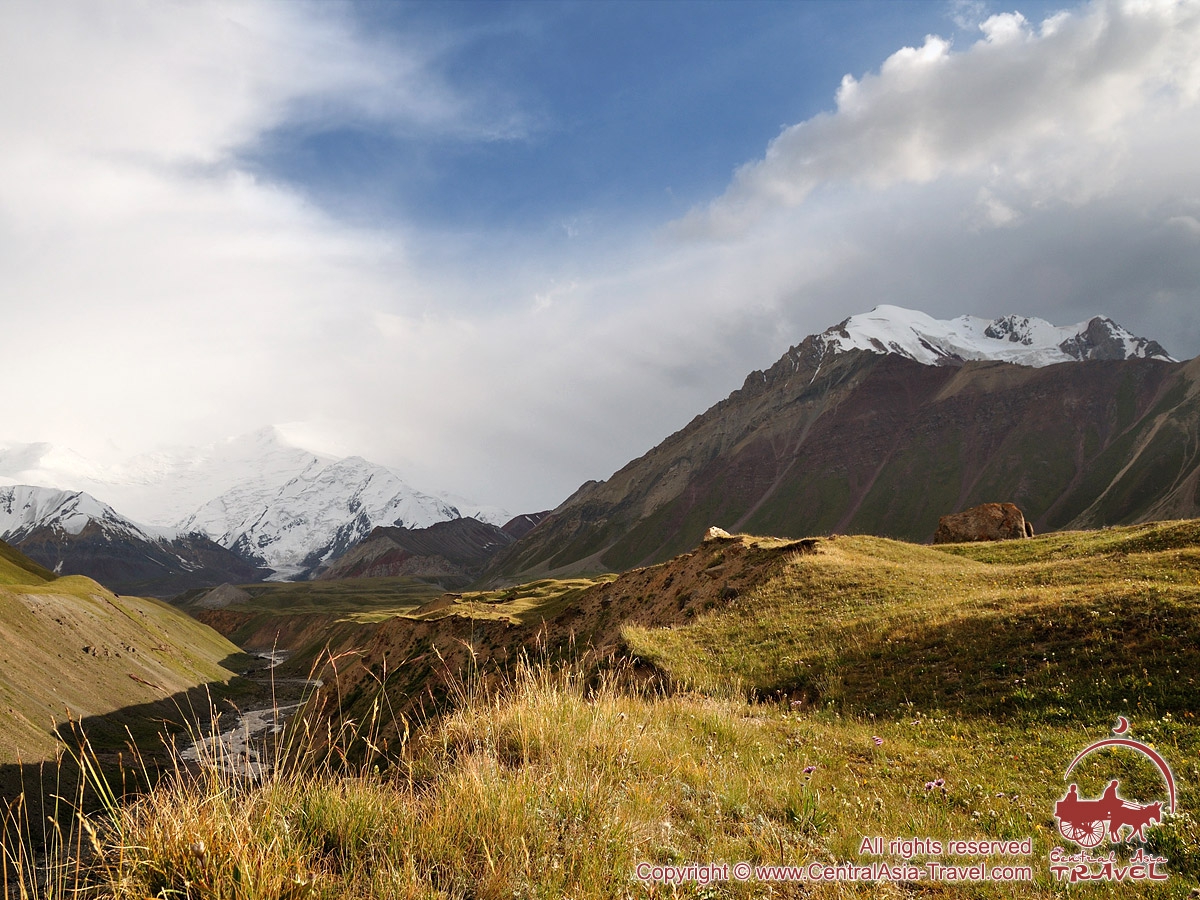
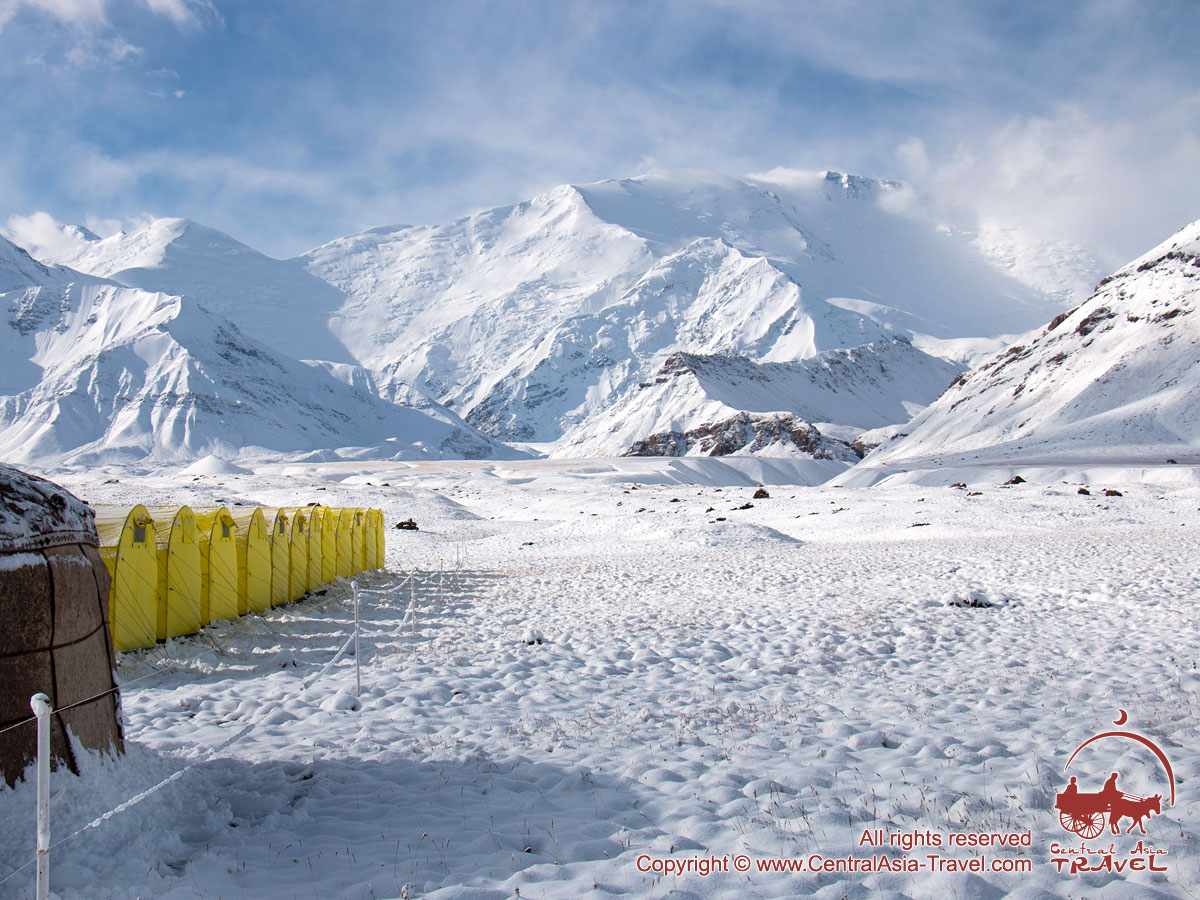
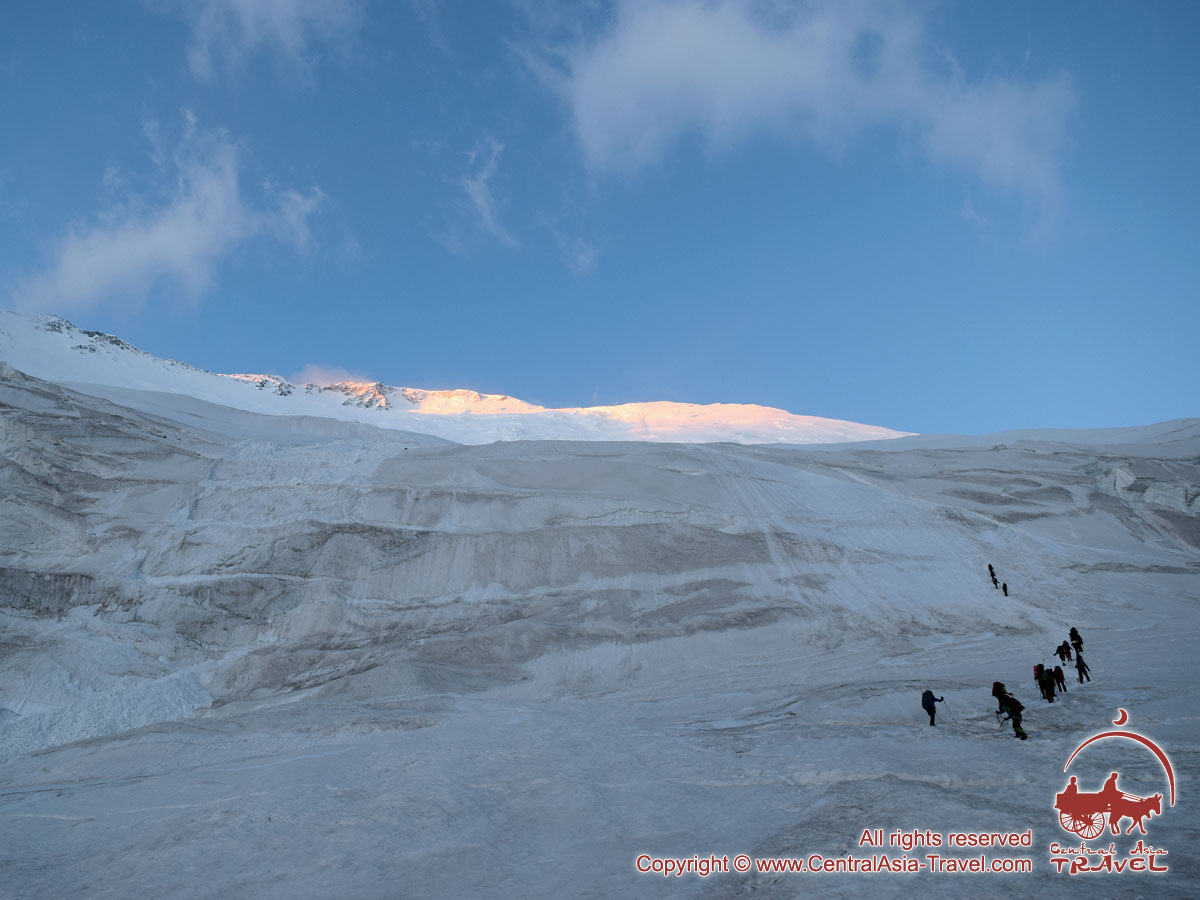
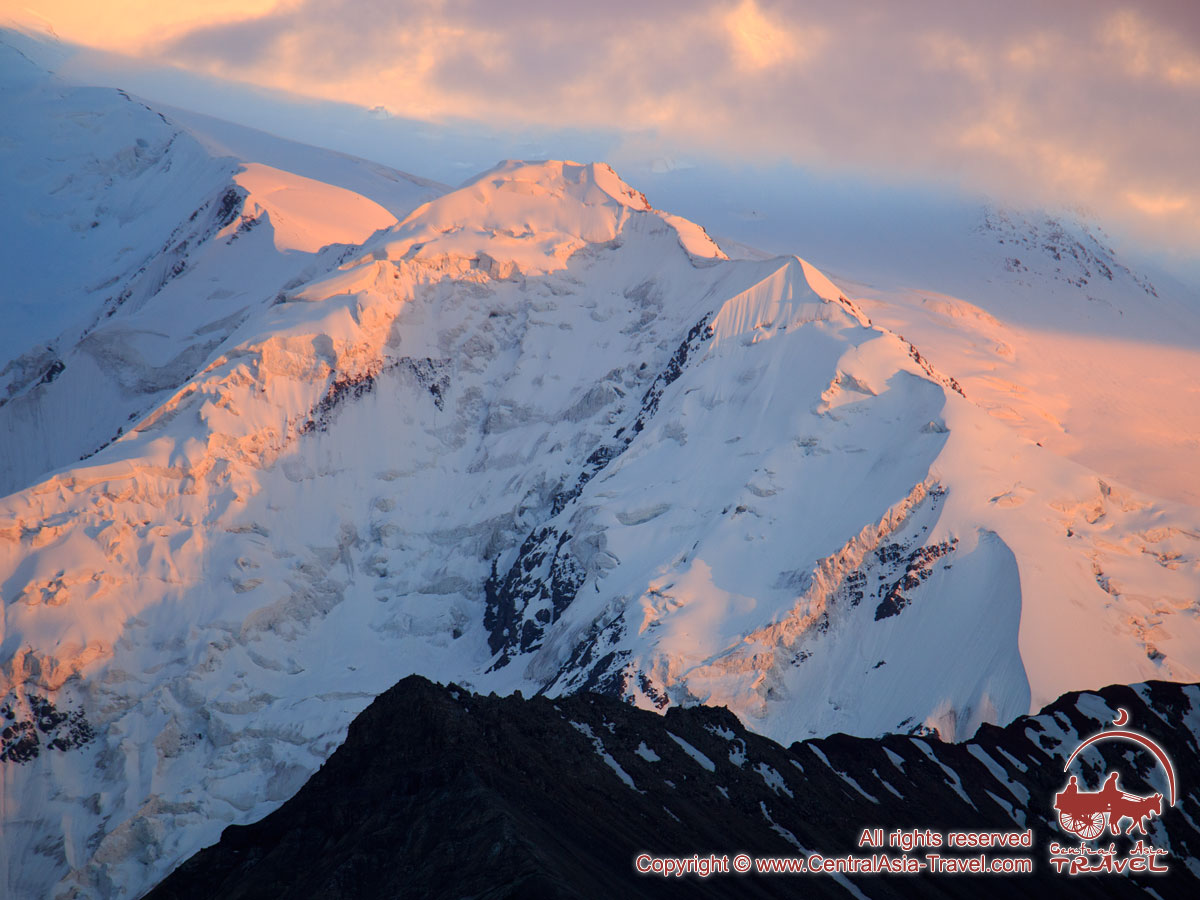
Photos of the «Ascension on Lenin Peak» tour:
 |
 |
 |
 |



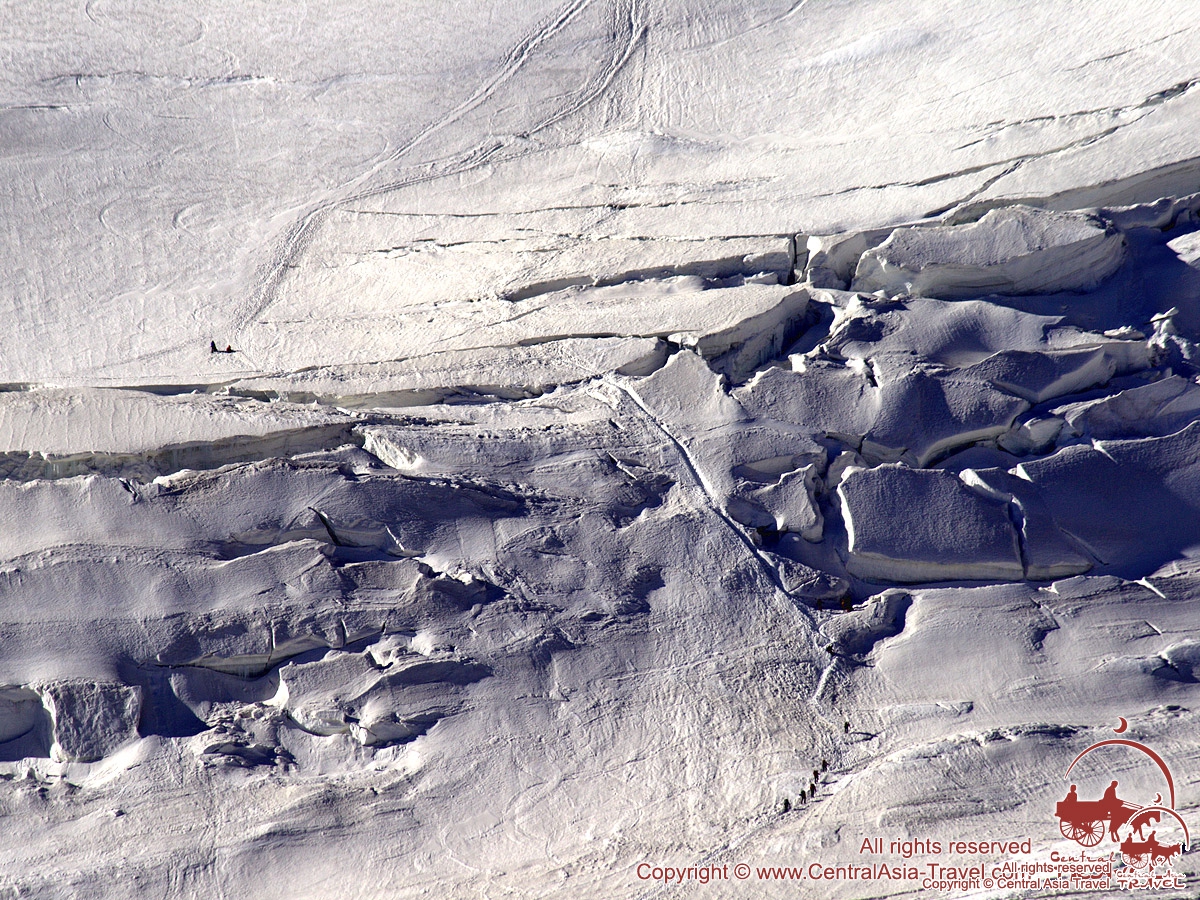

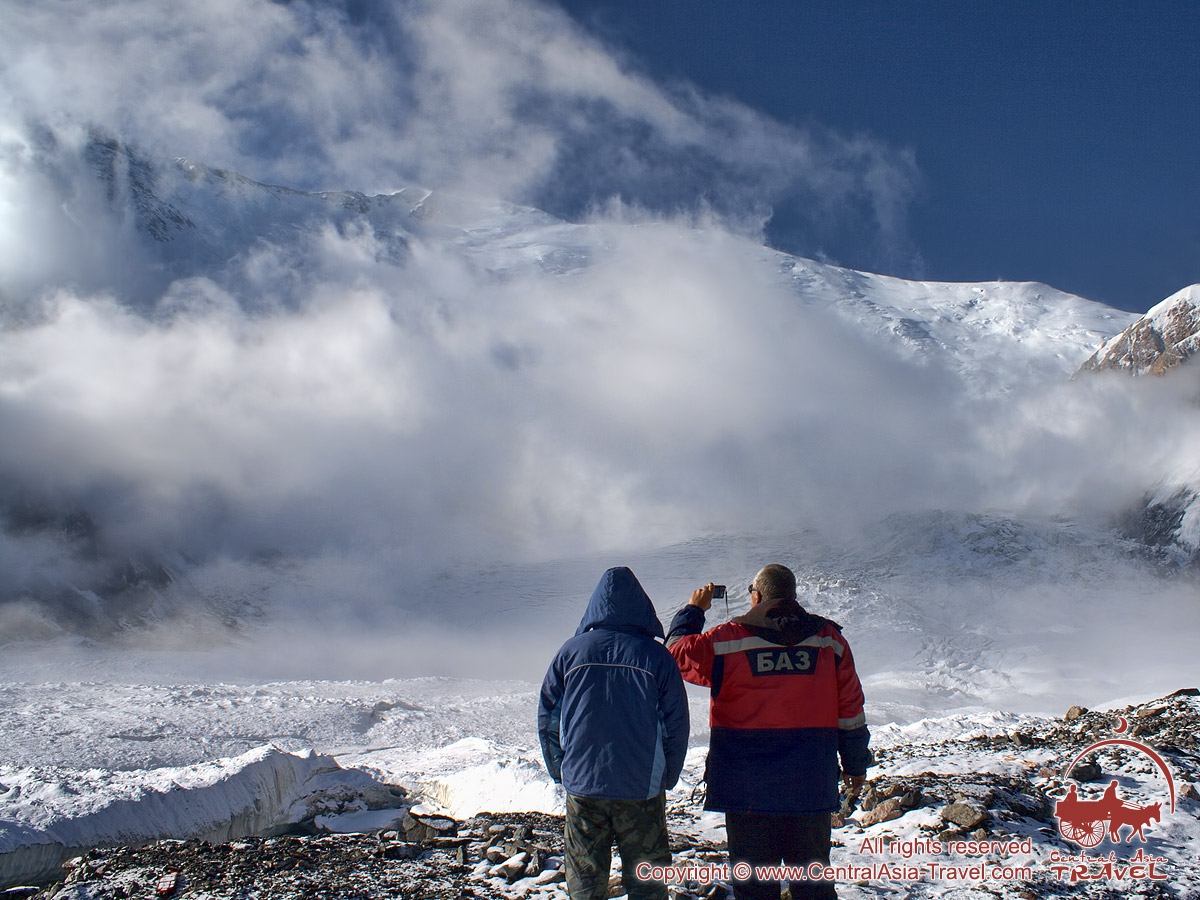


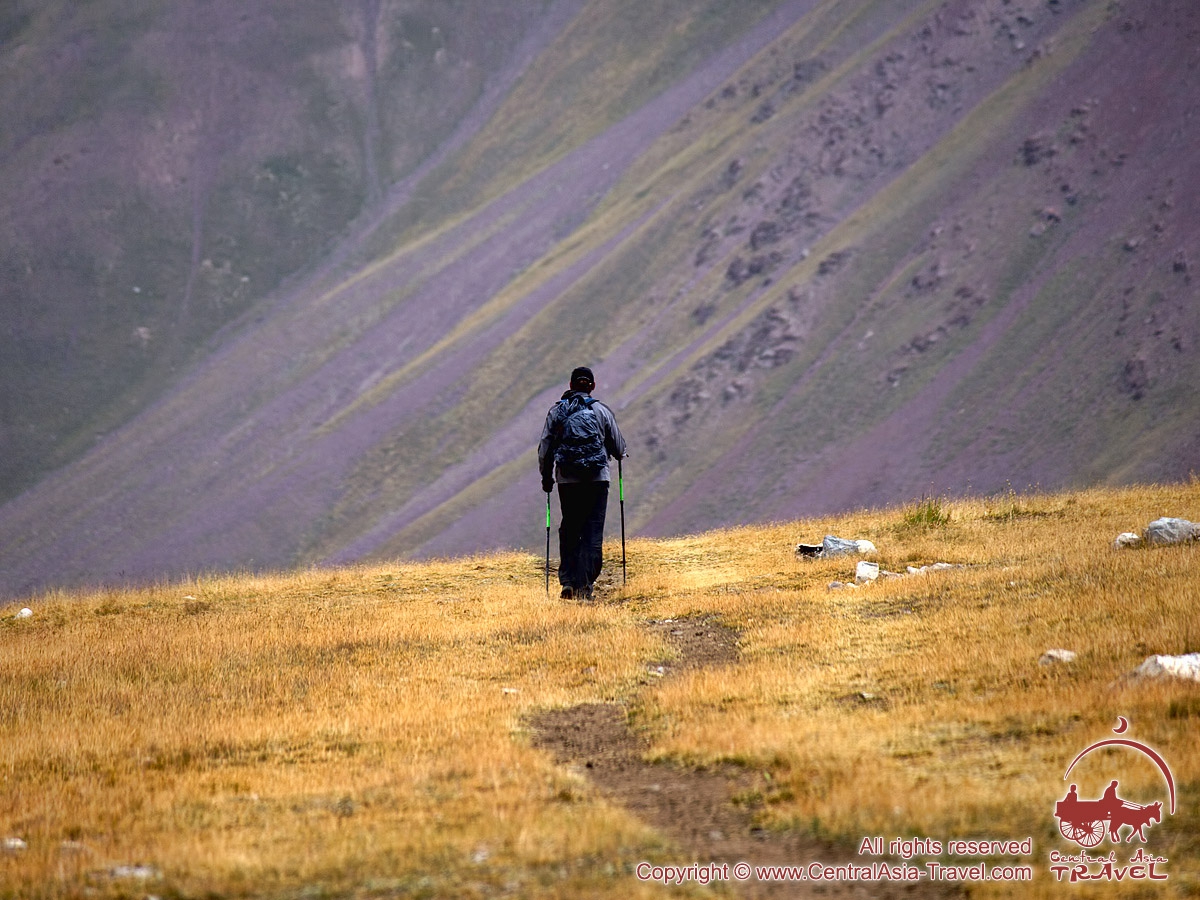
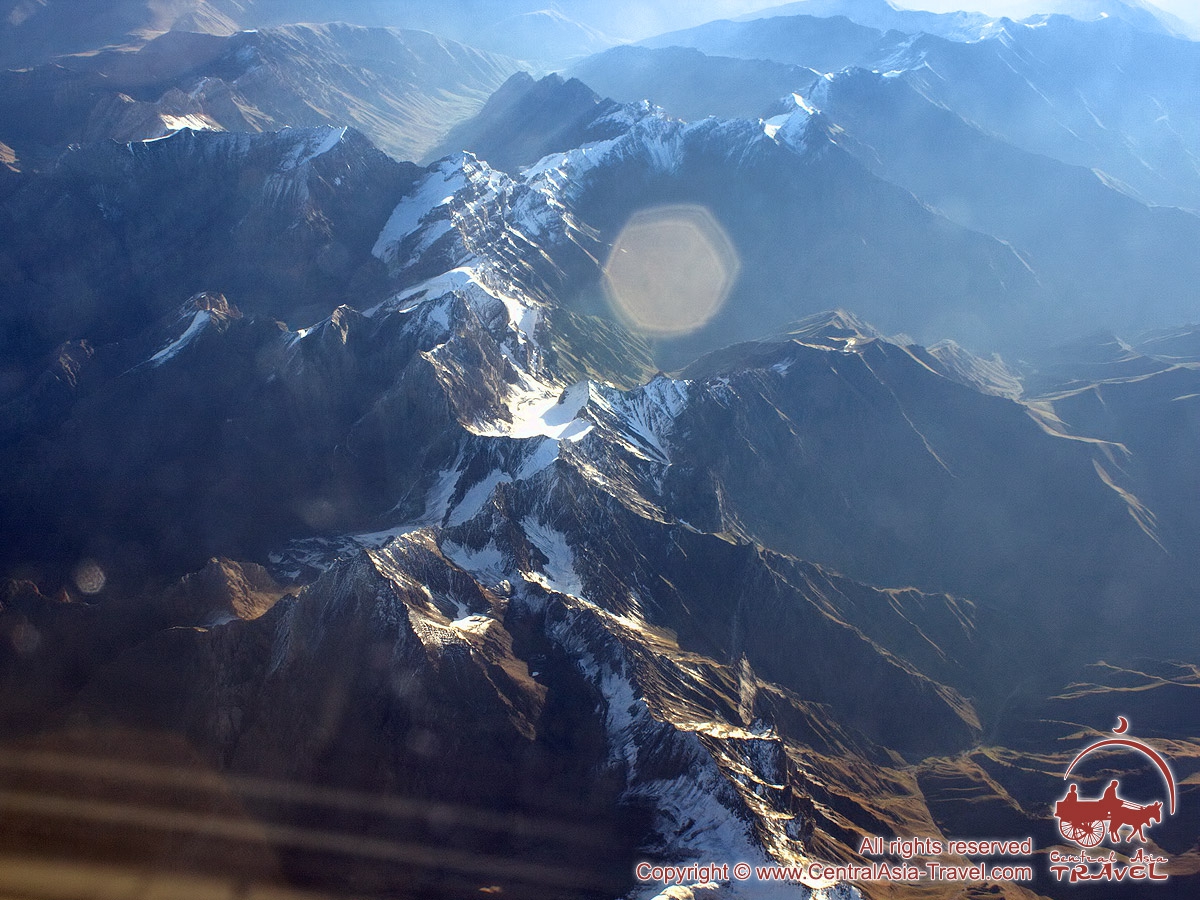



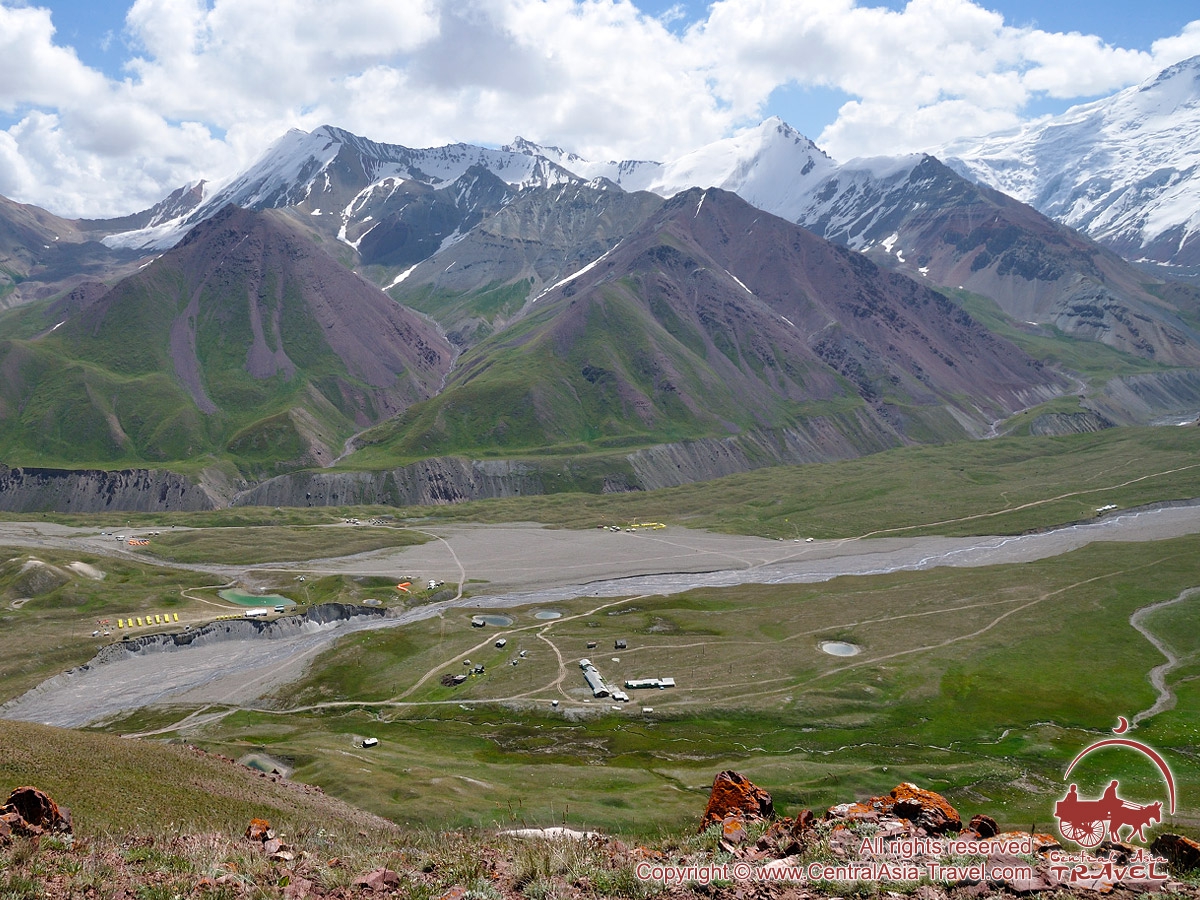


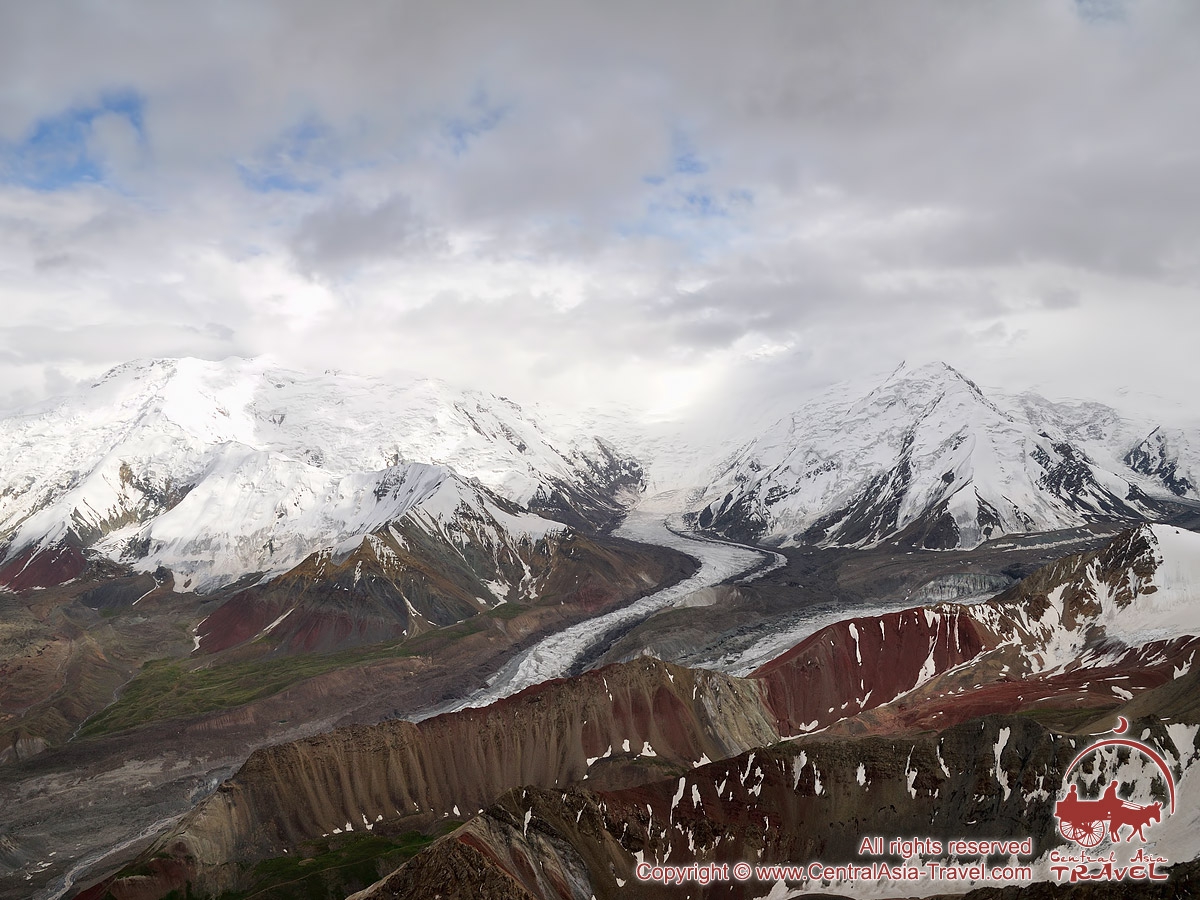
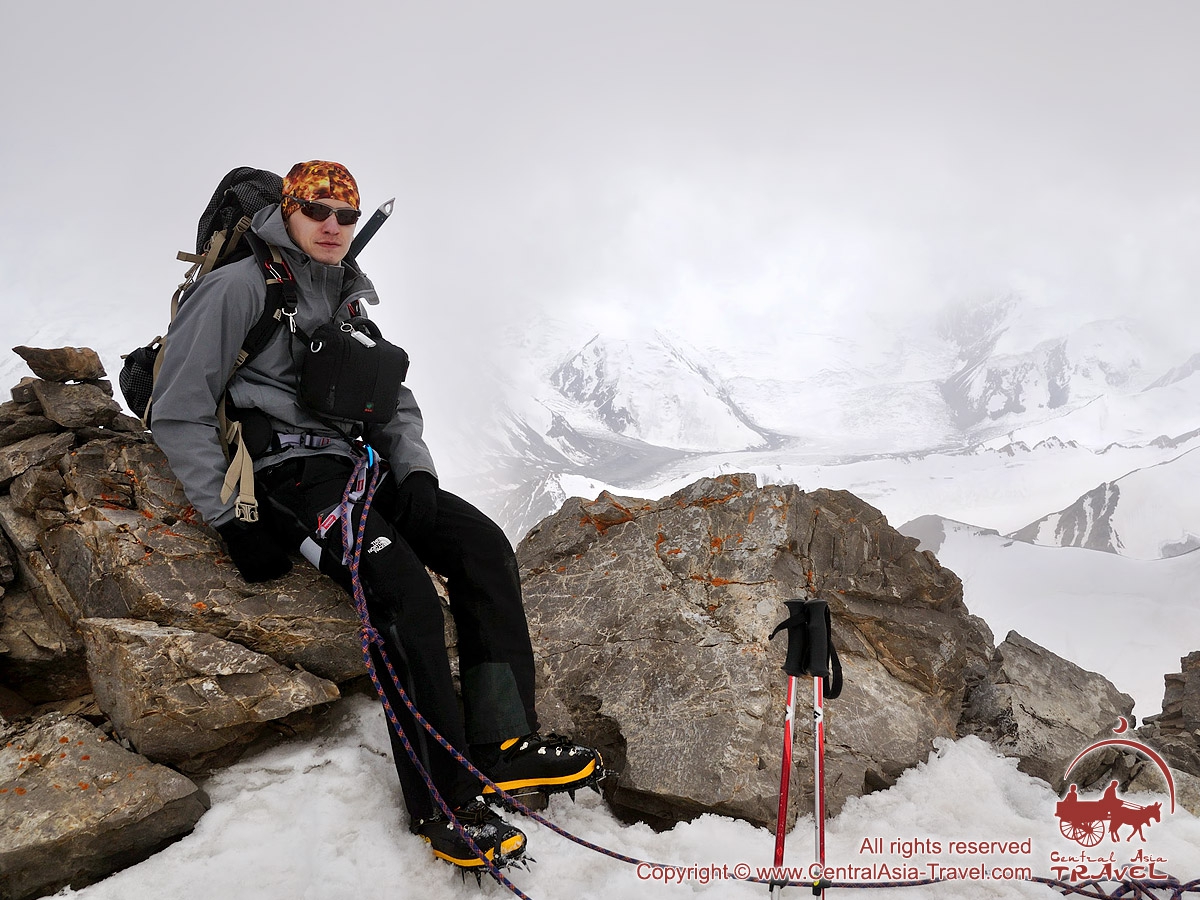
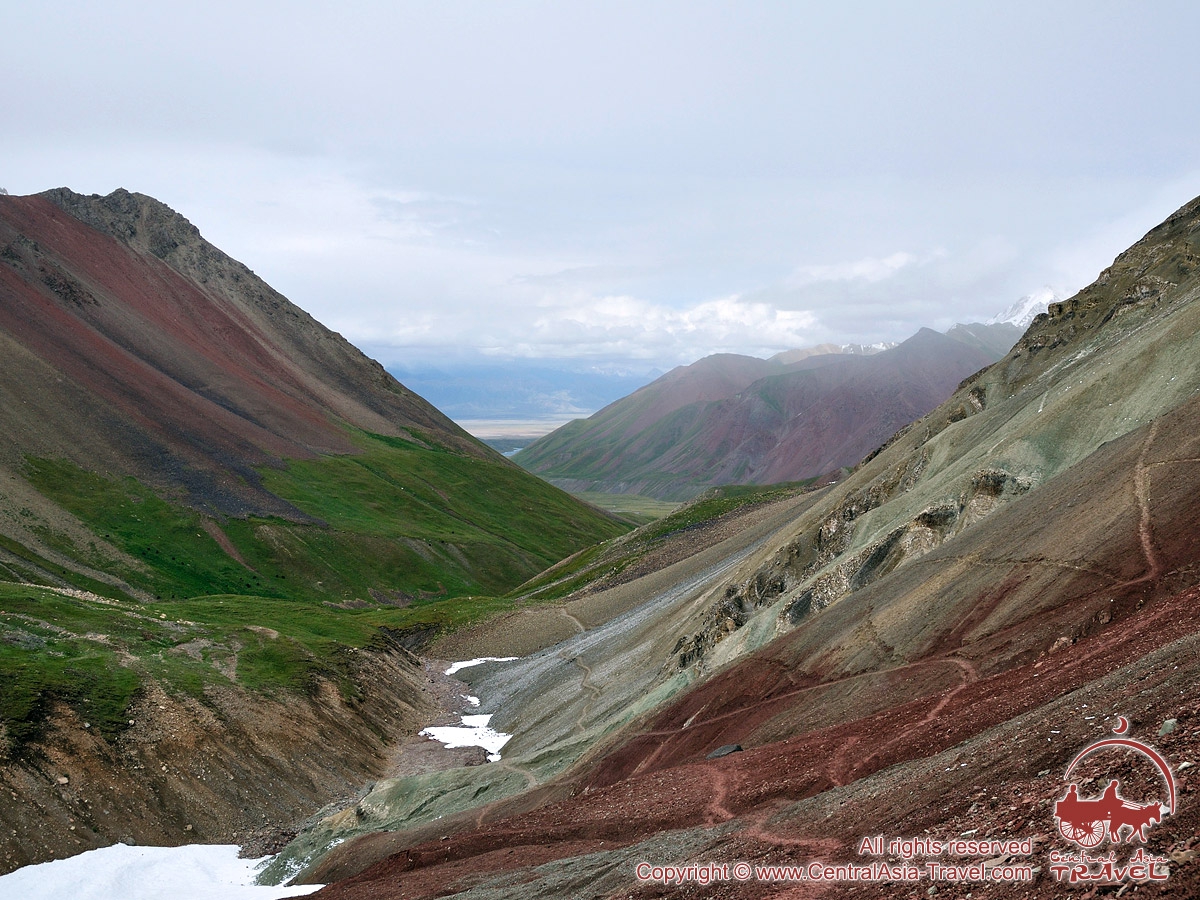

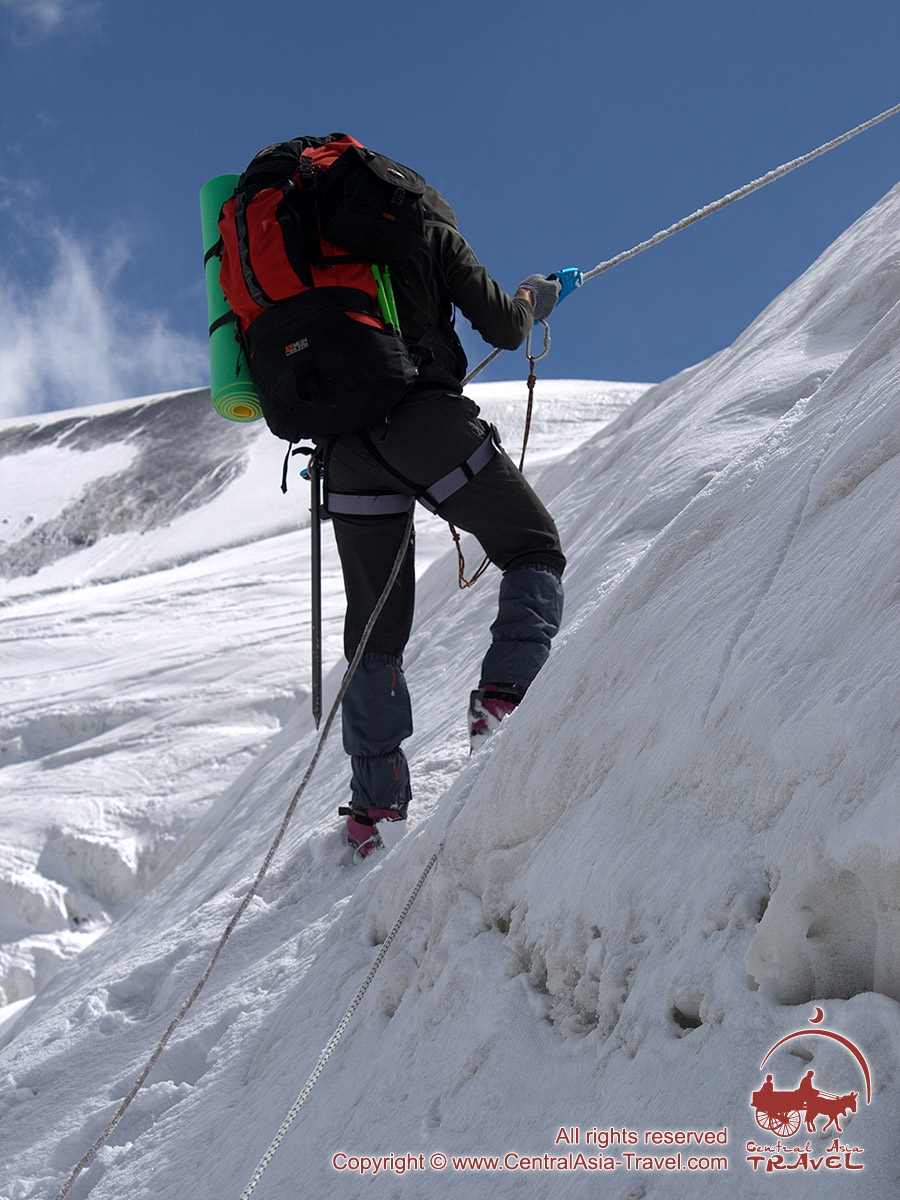

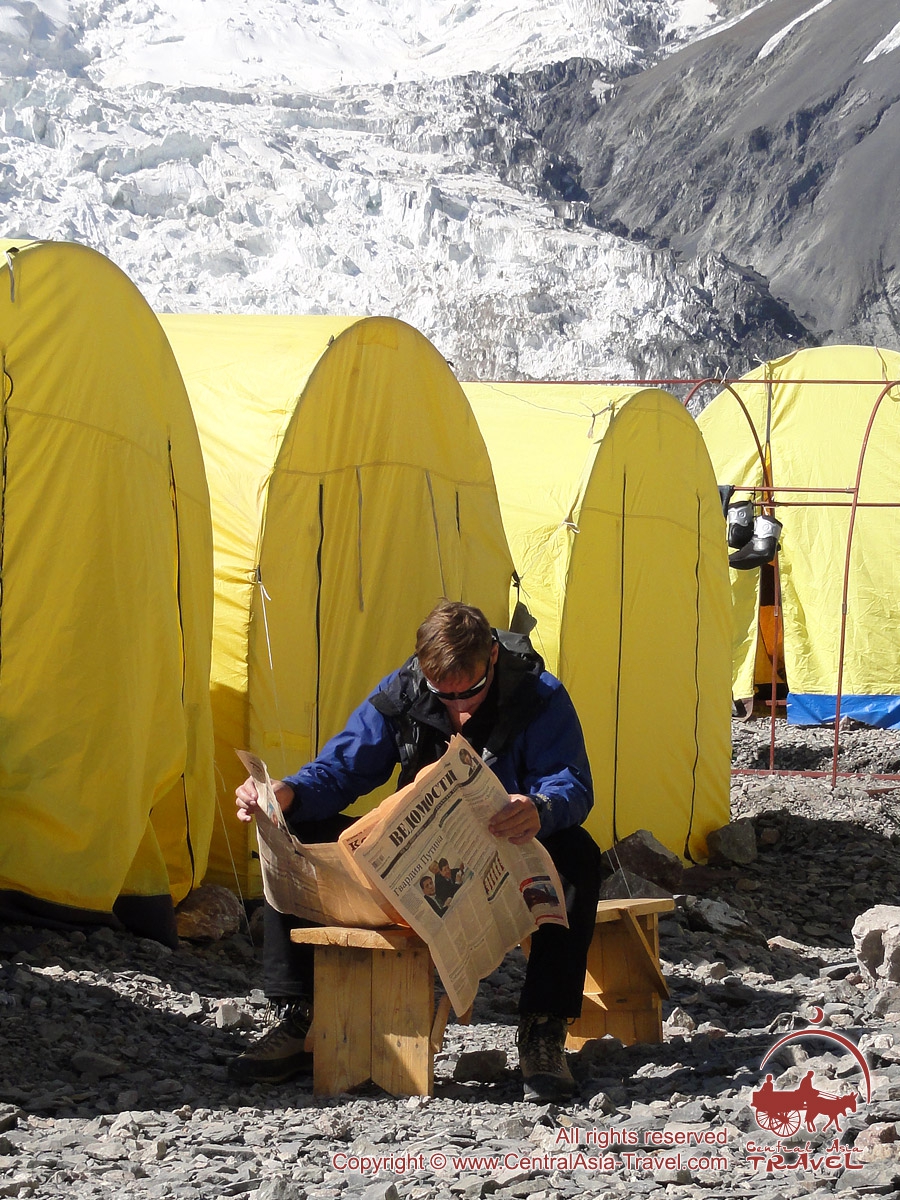
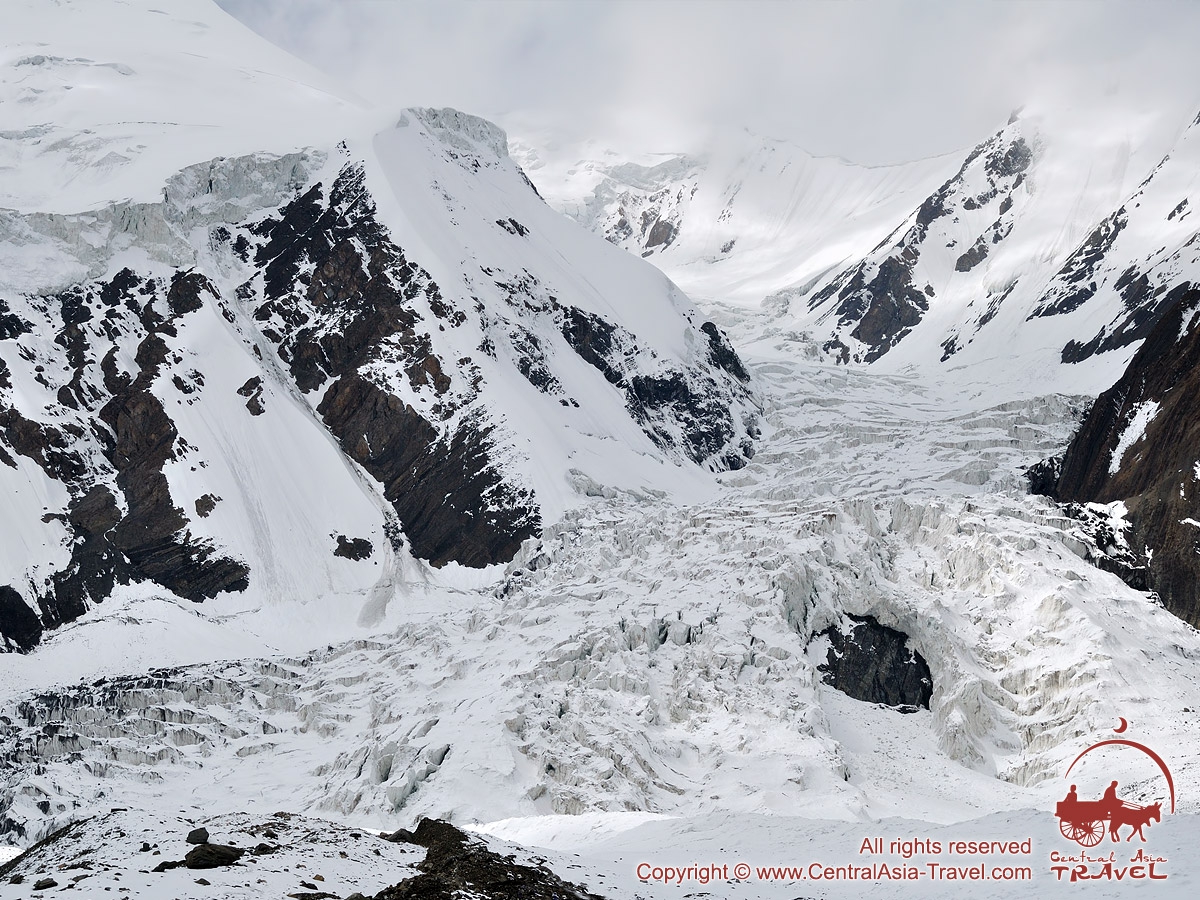

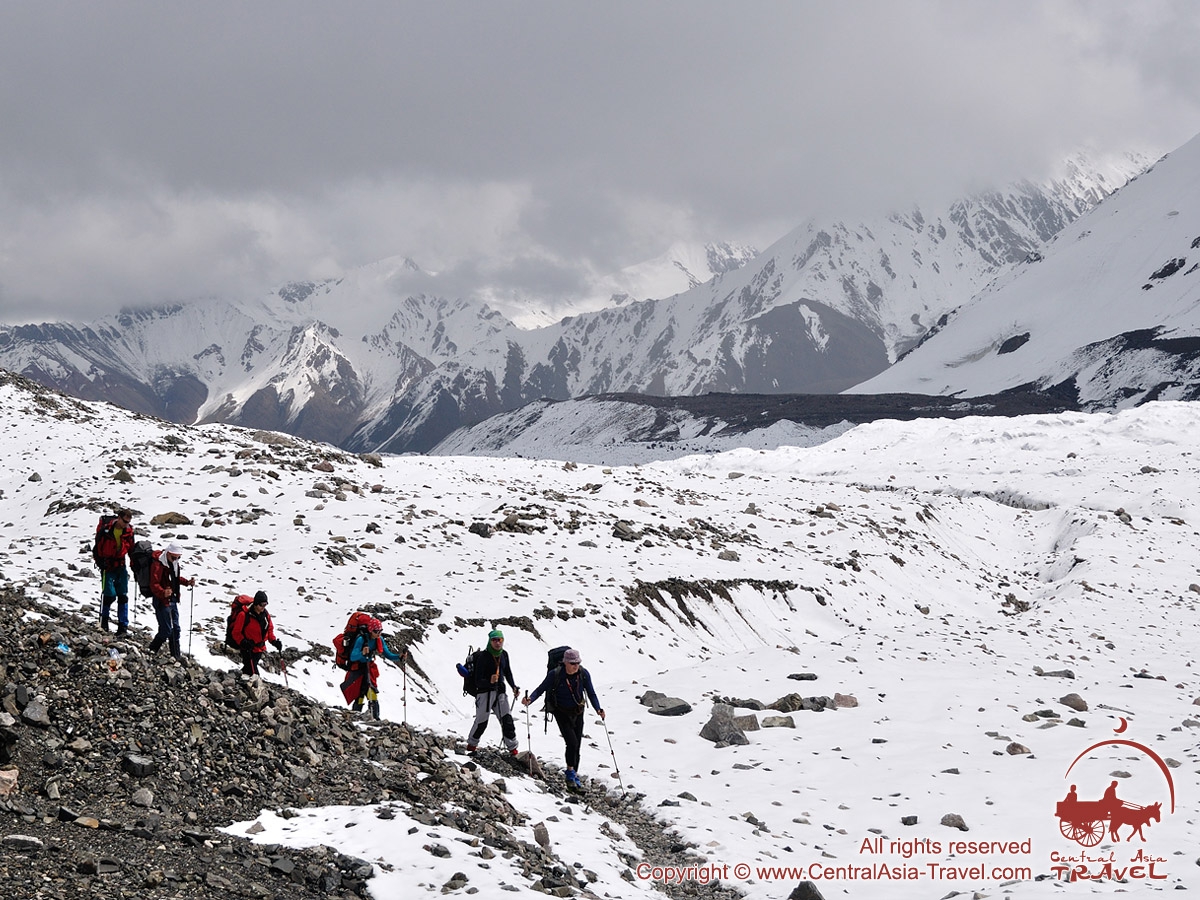


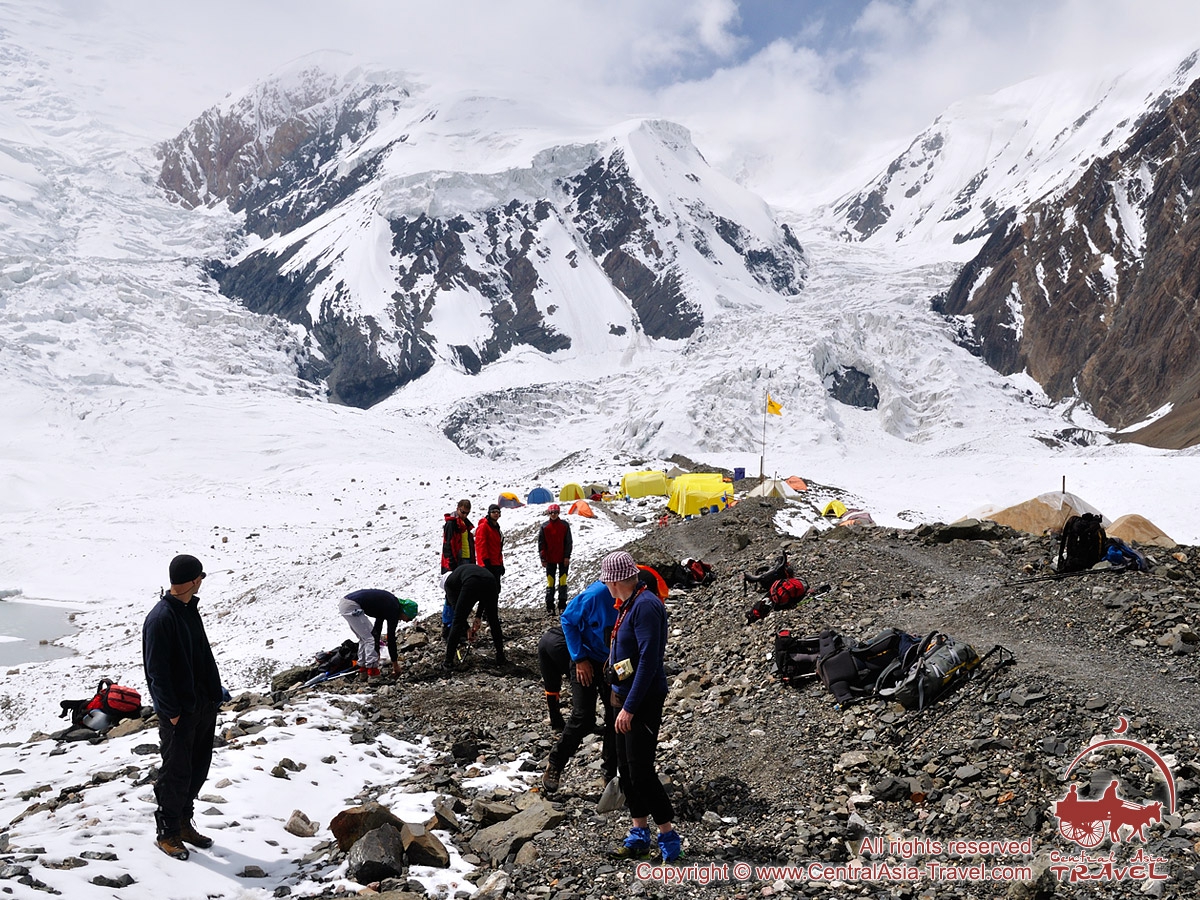

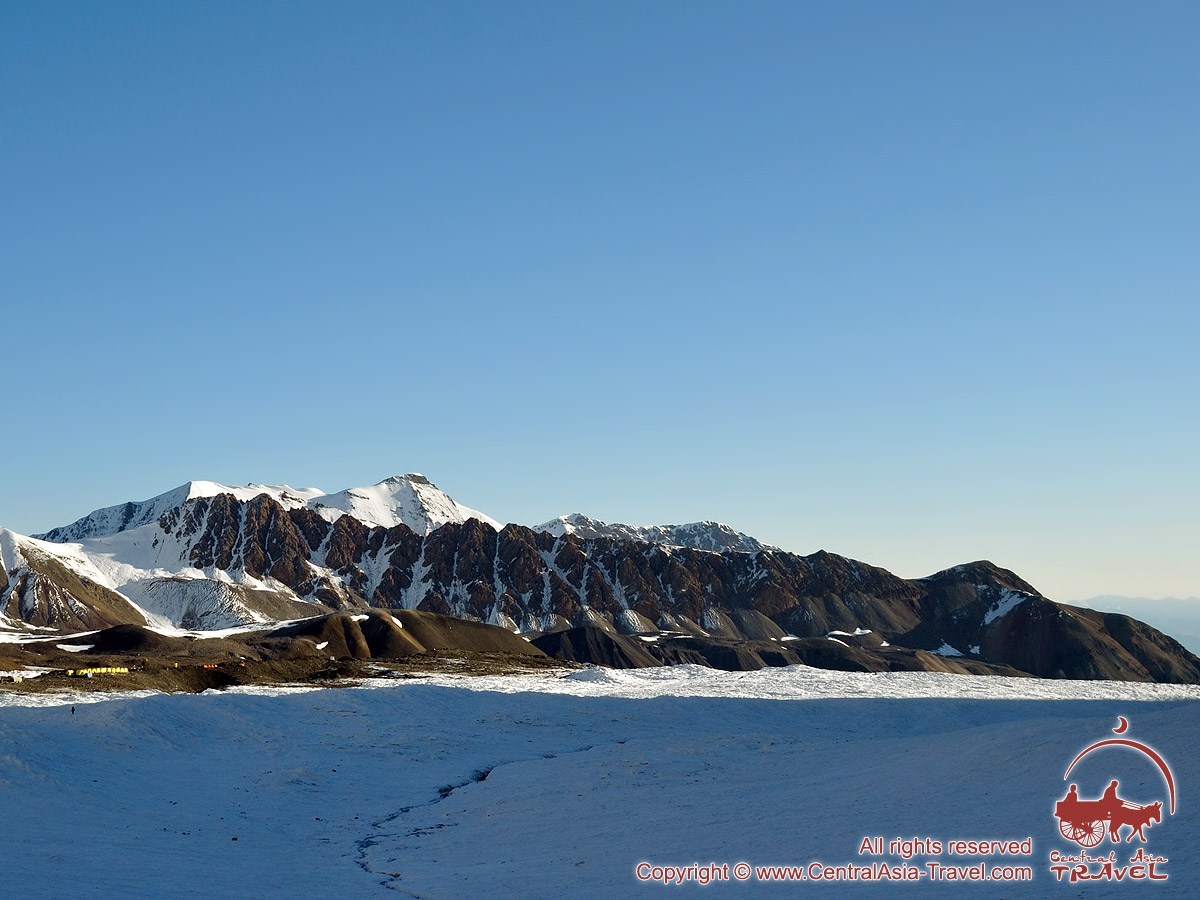
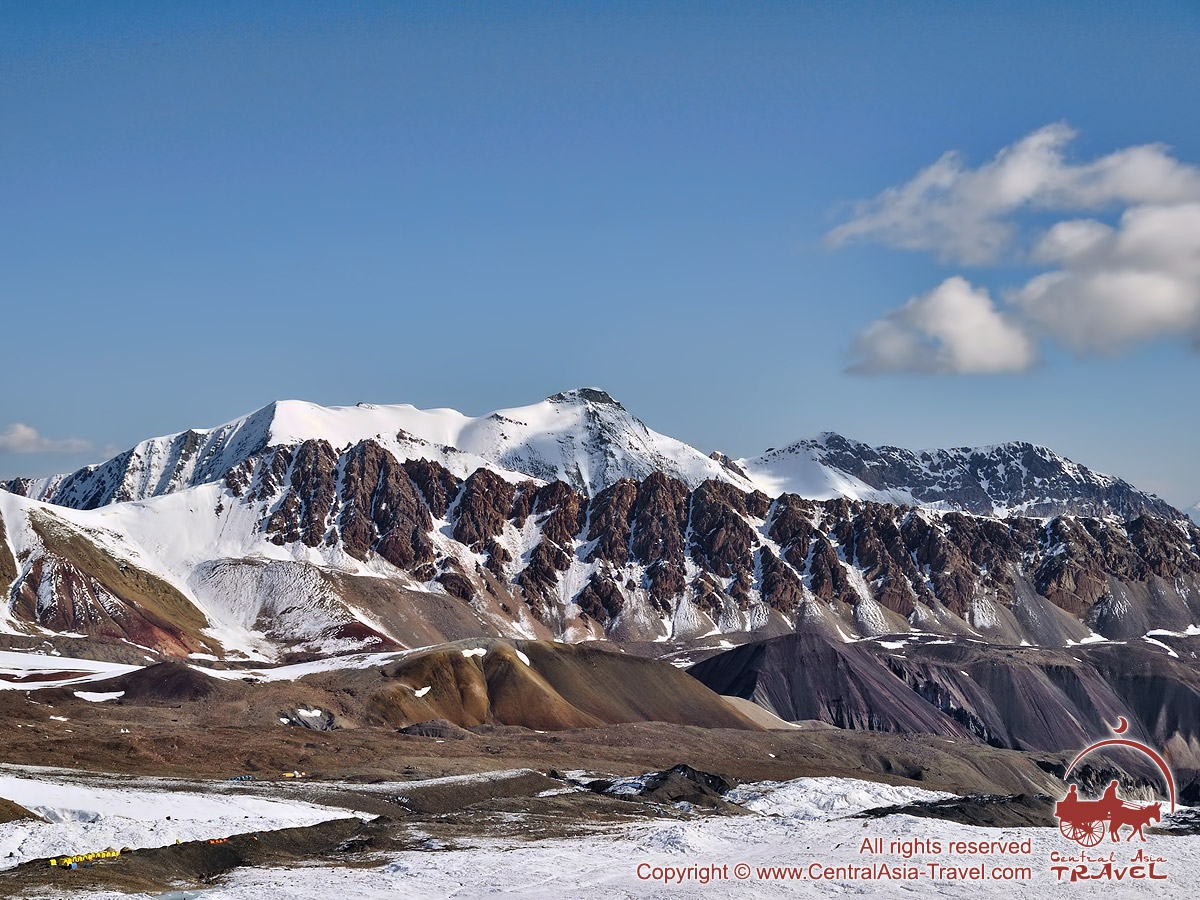
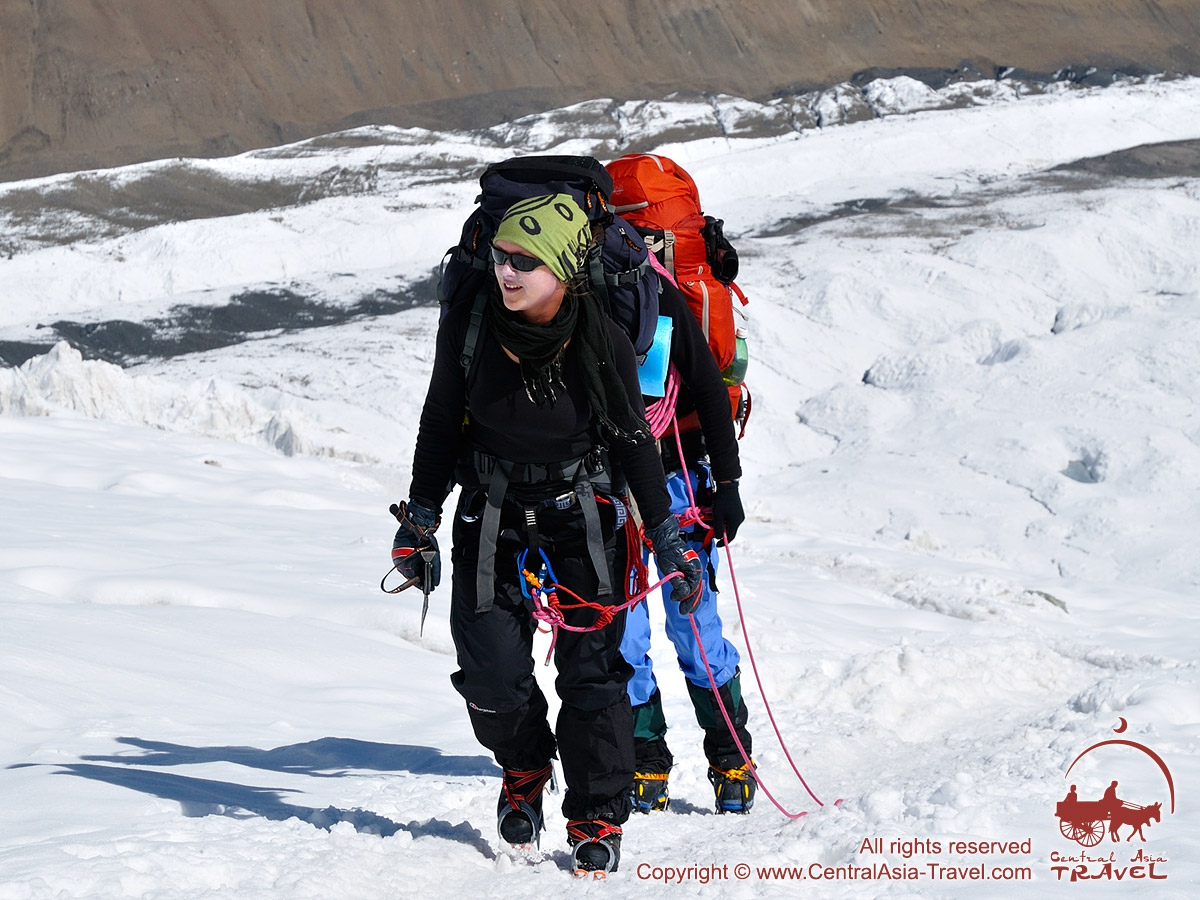


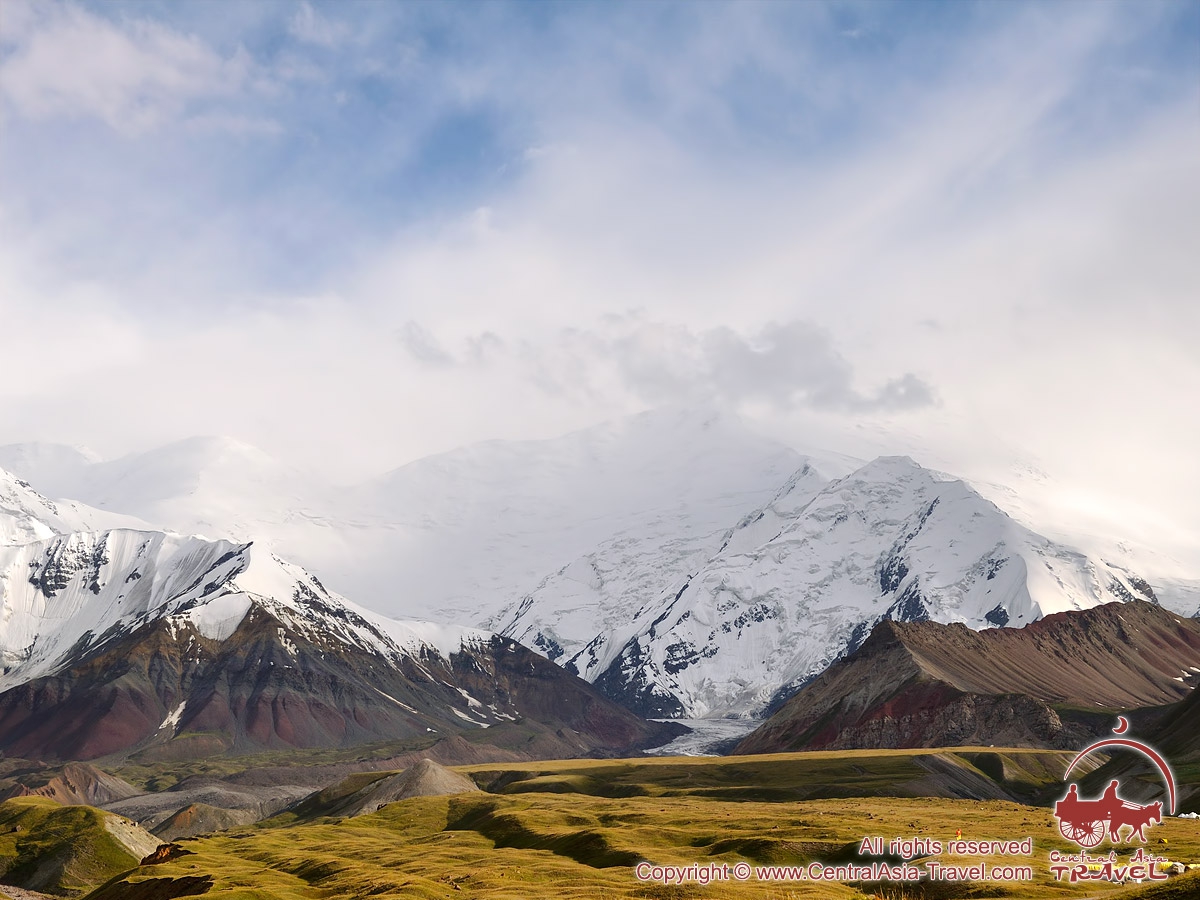

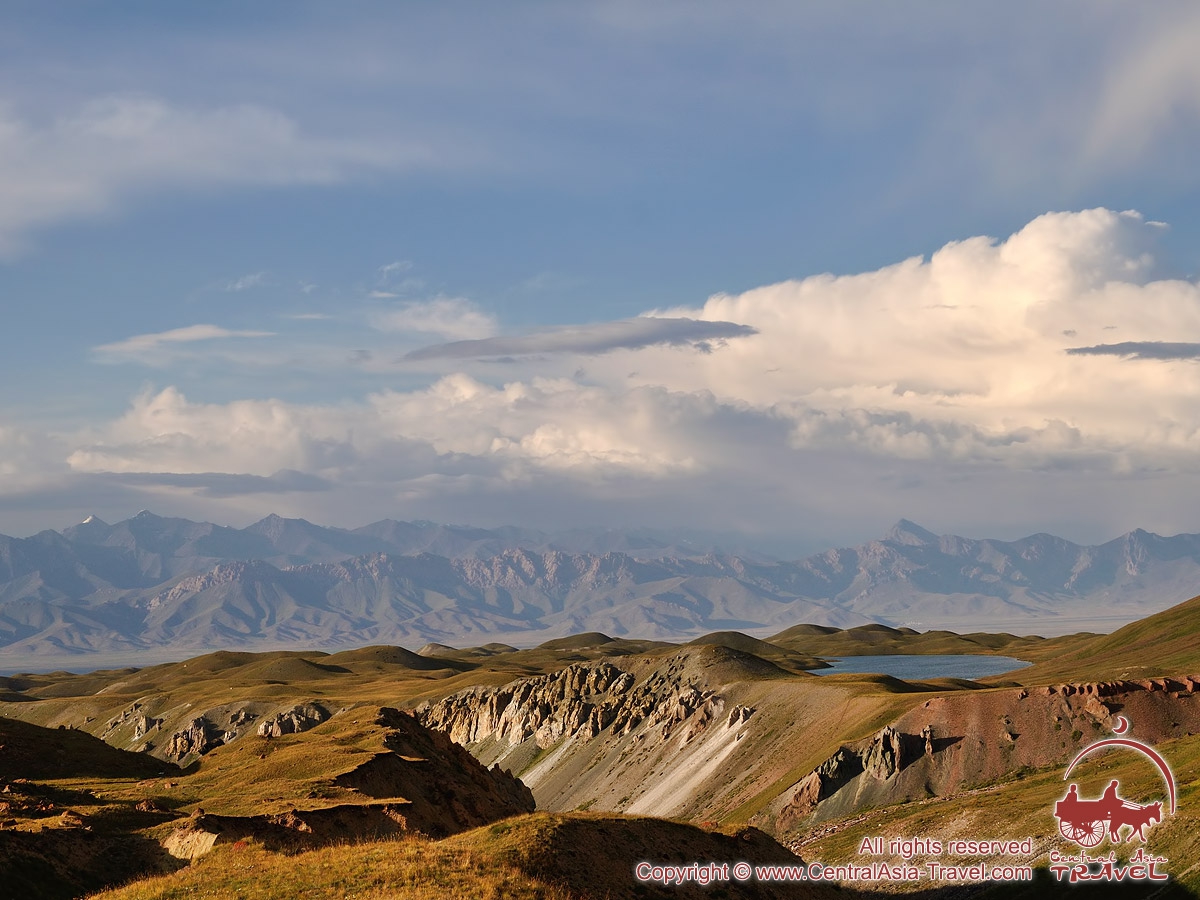
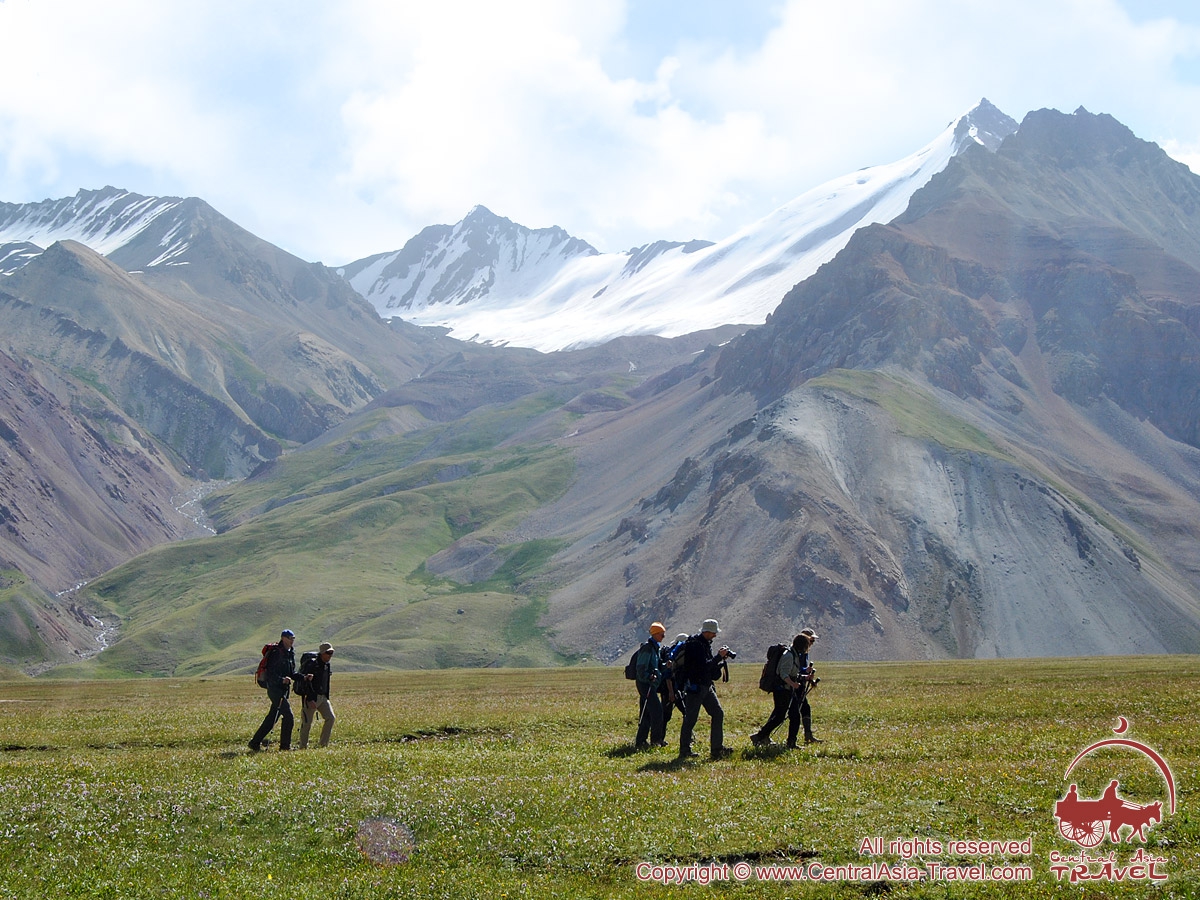
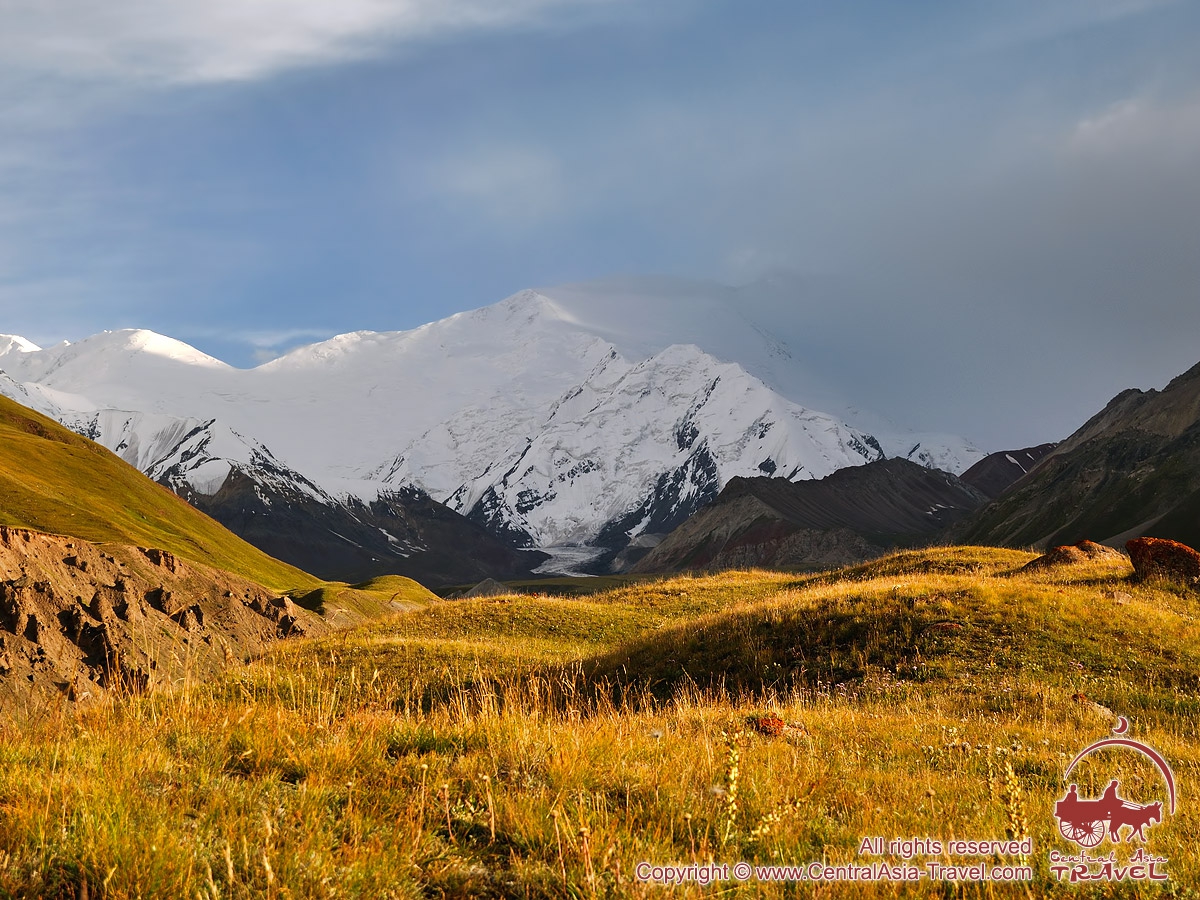



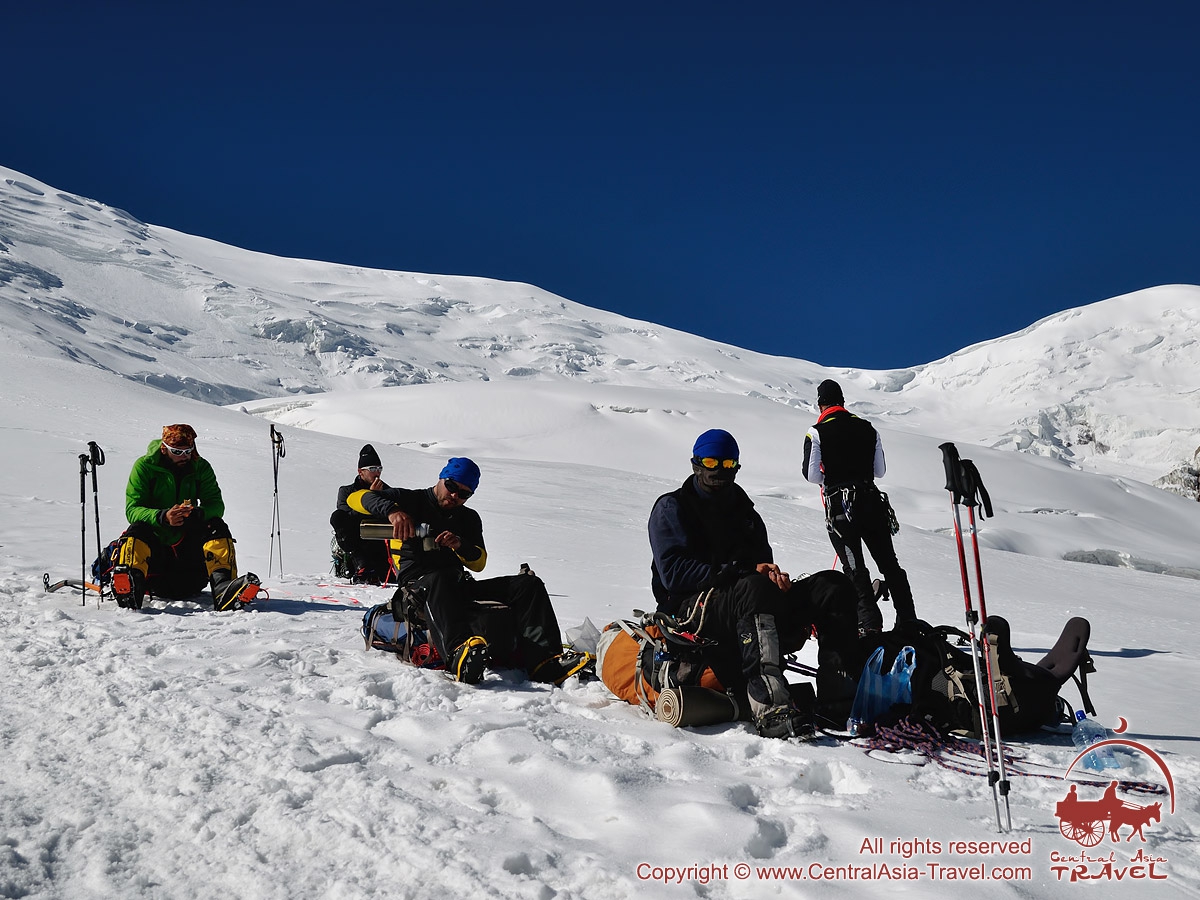
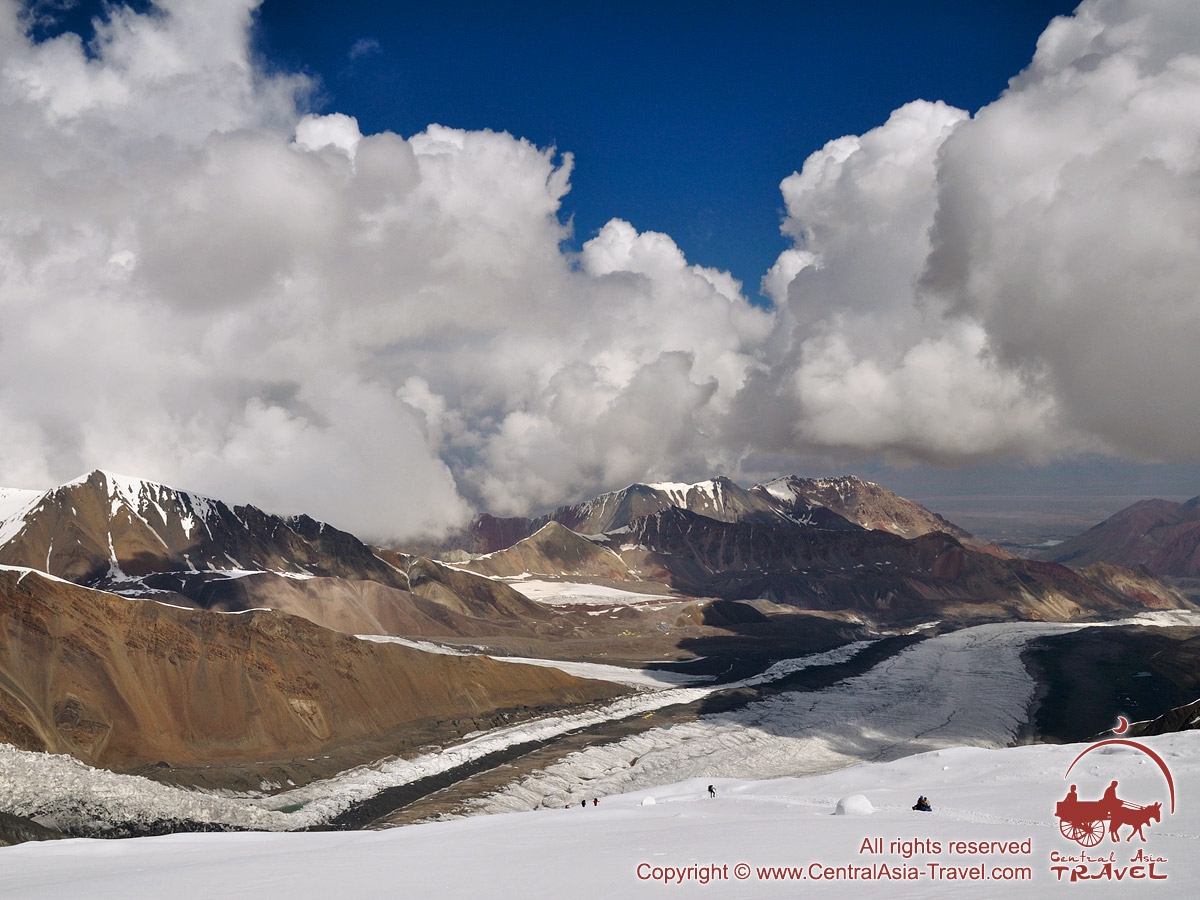

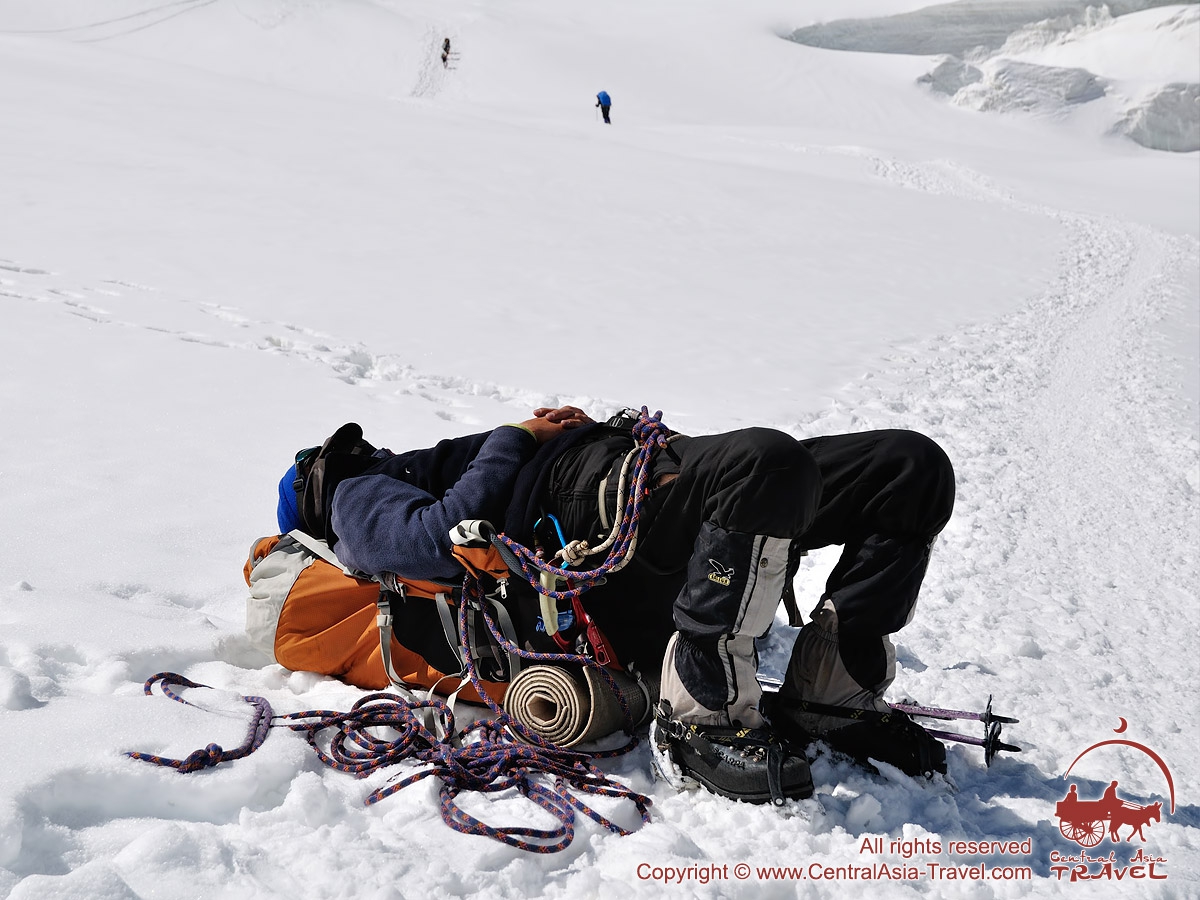

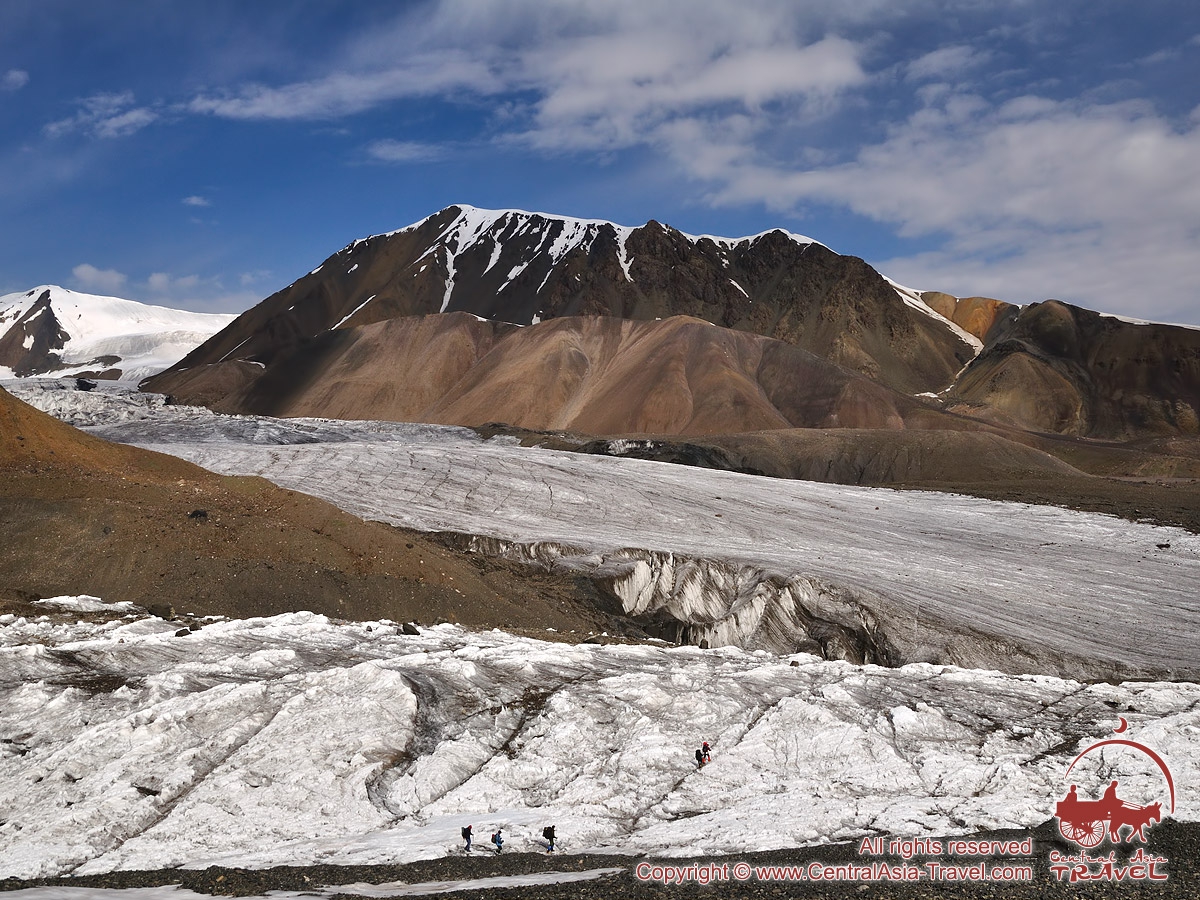





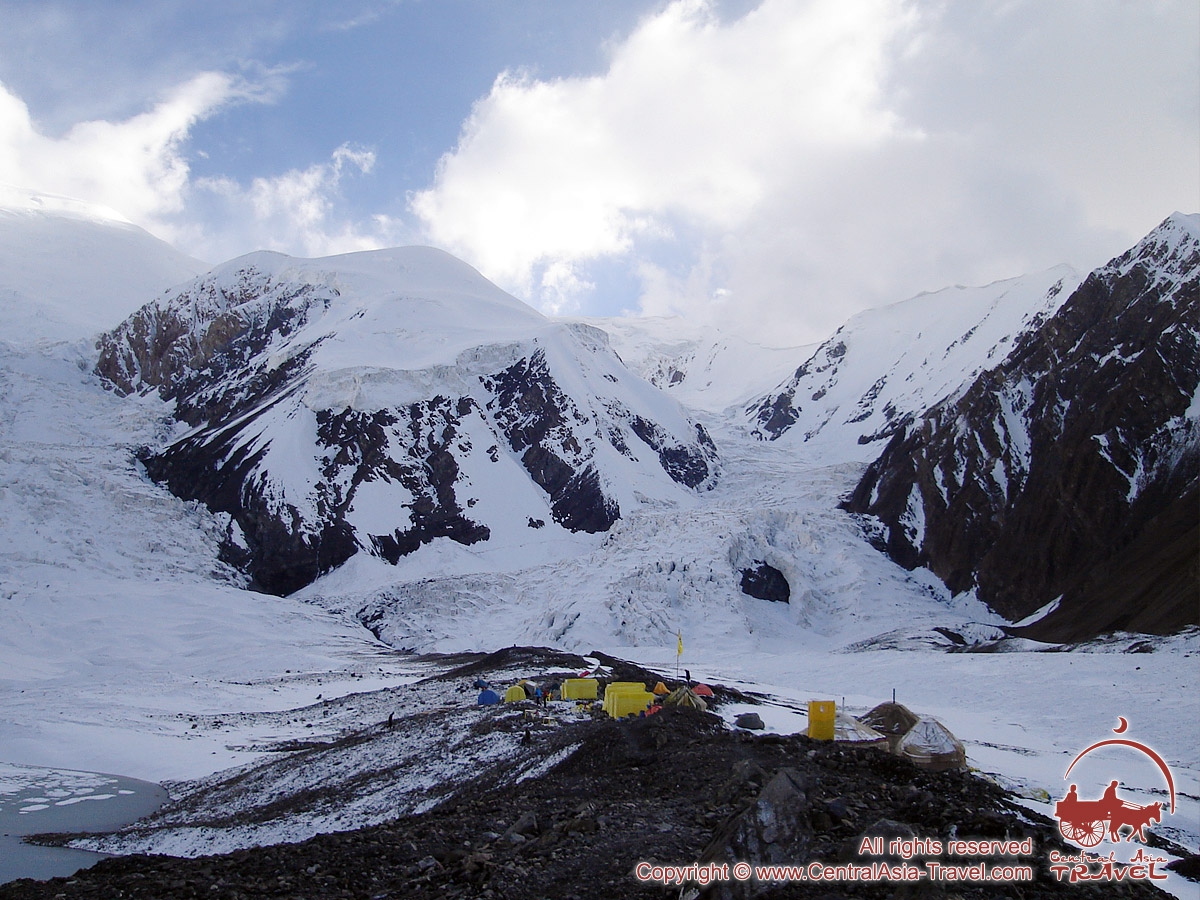
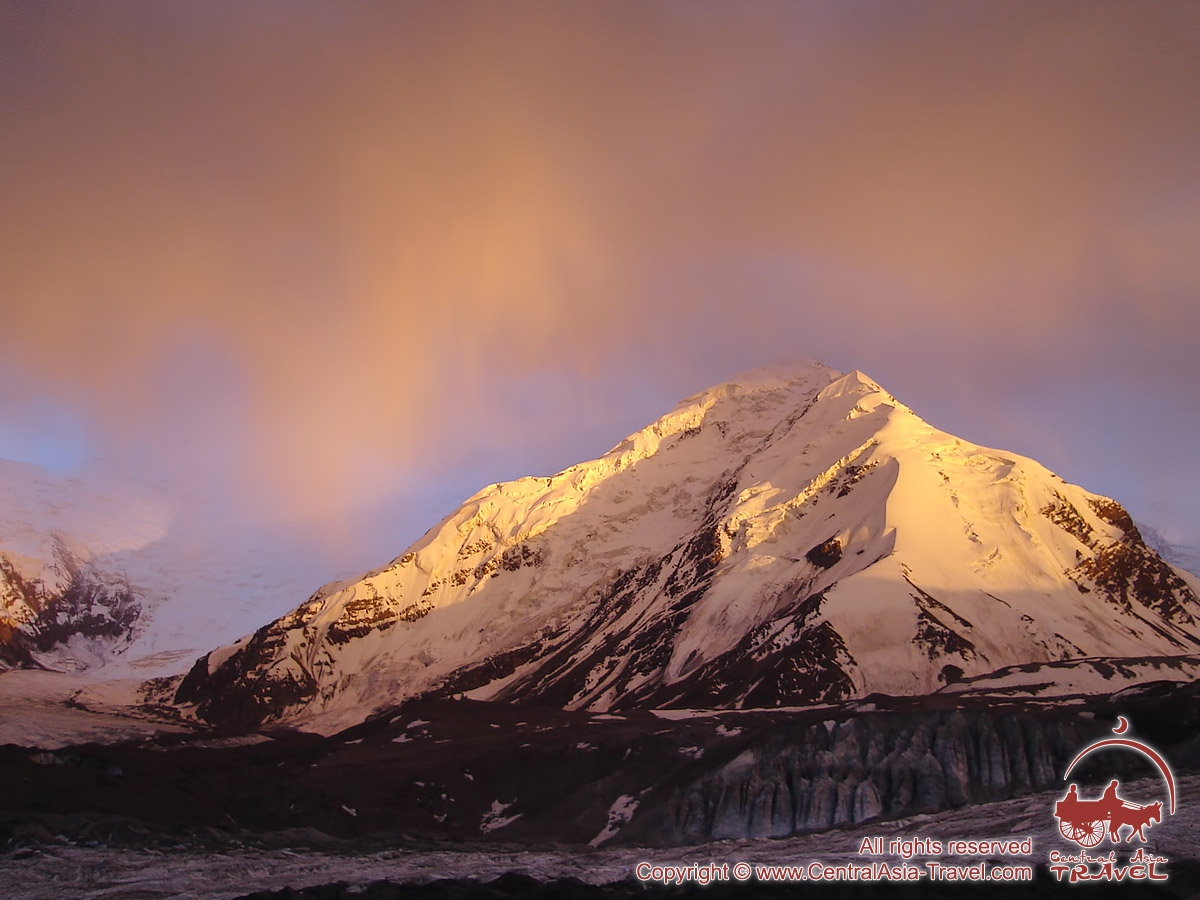
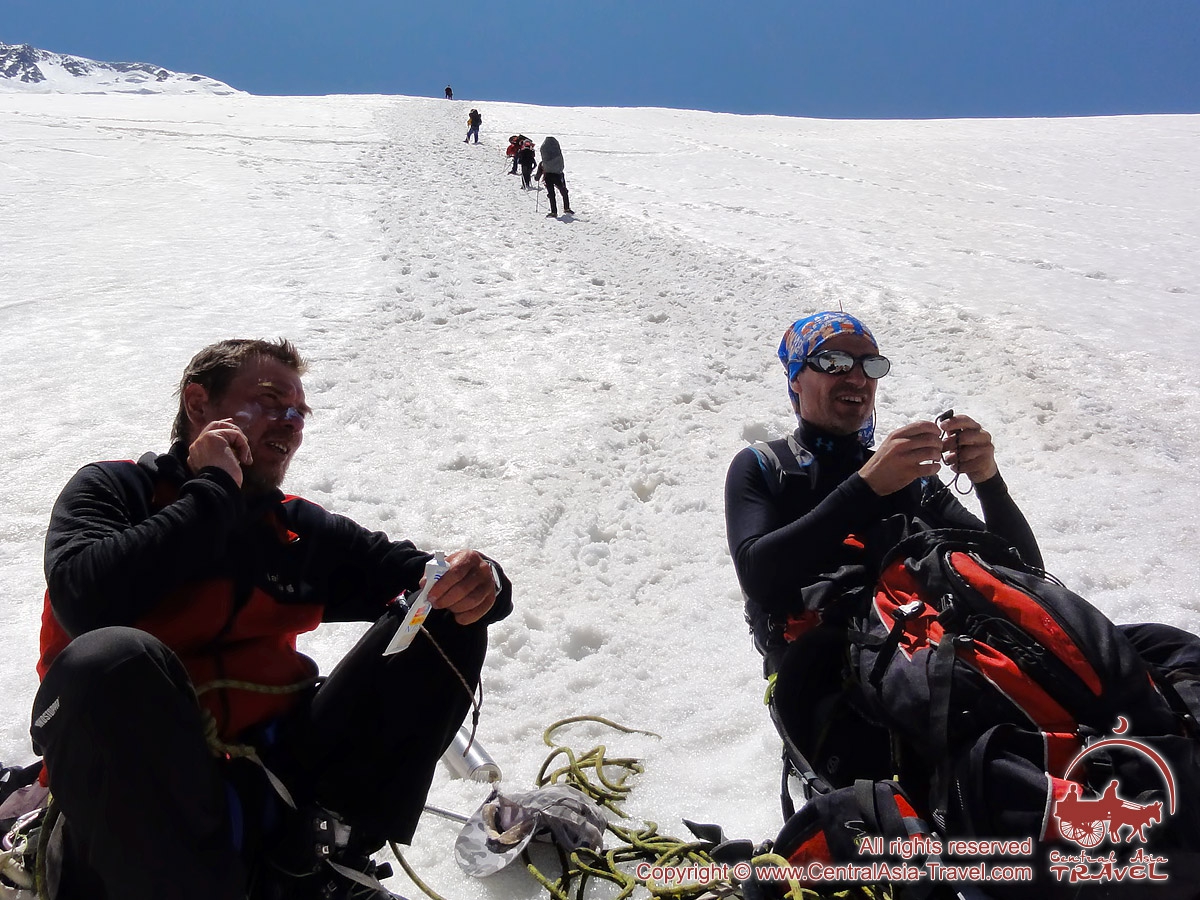

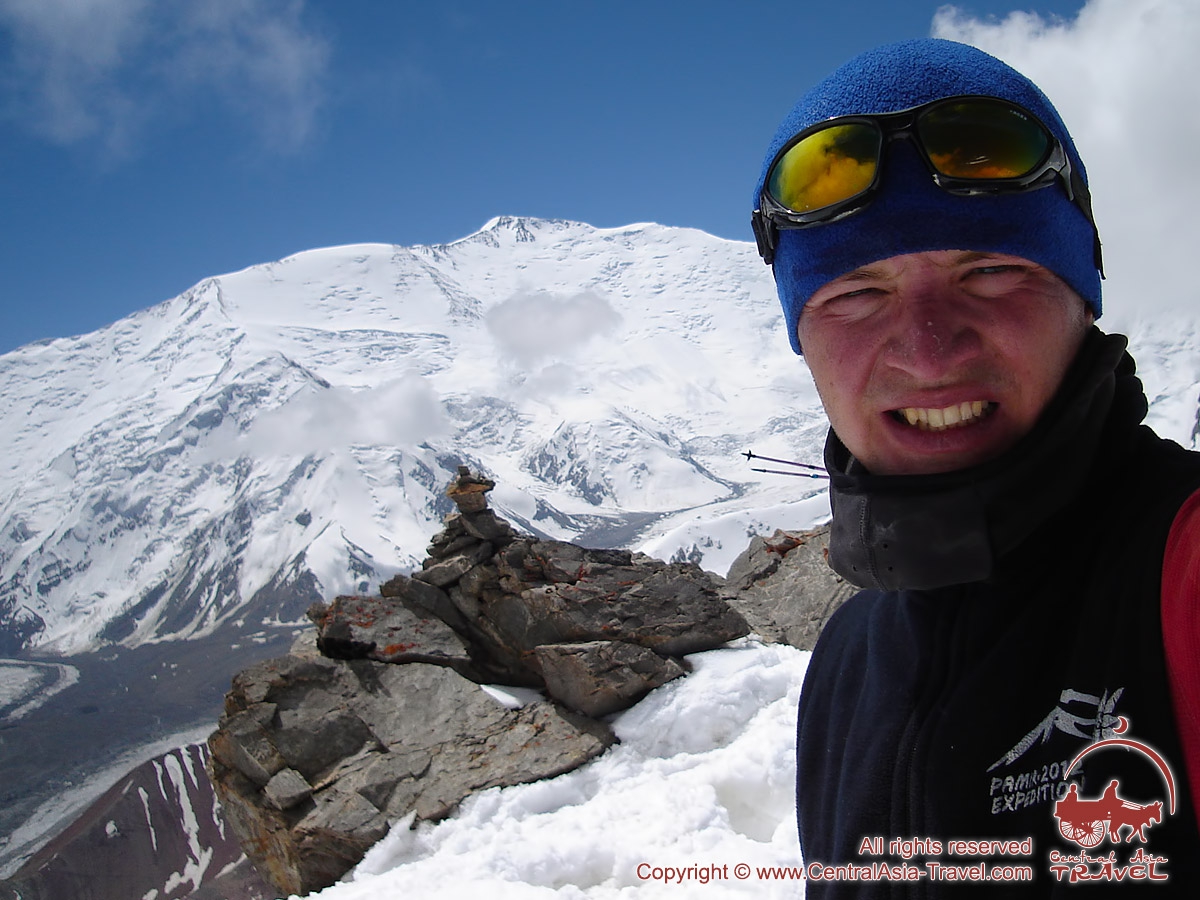
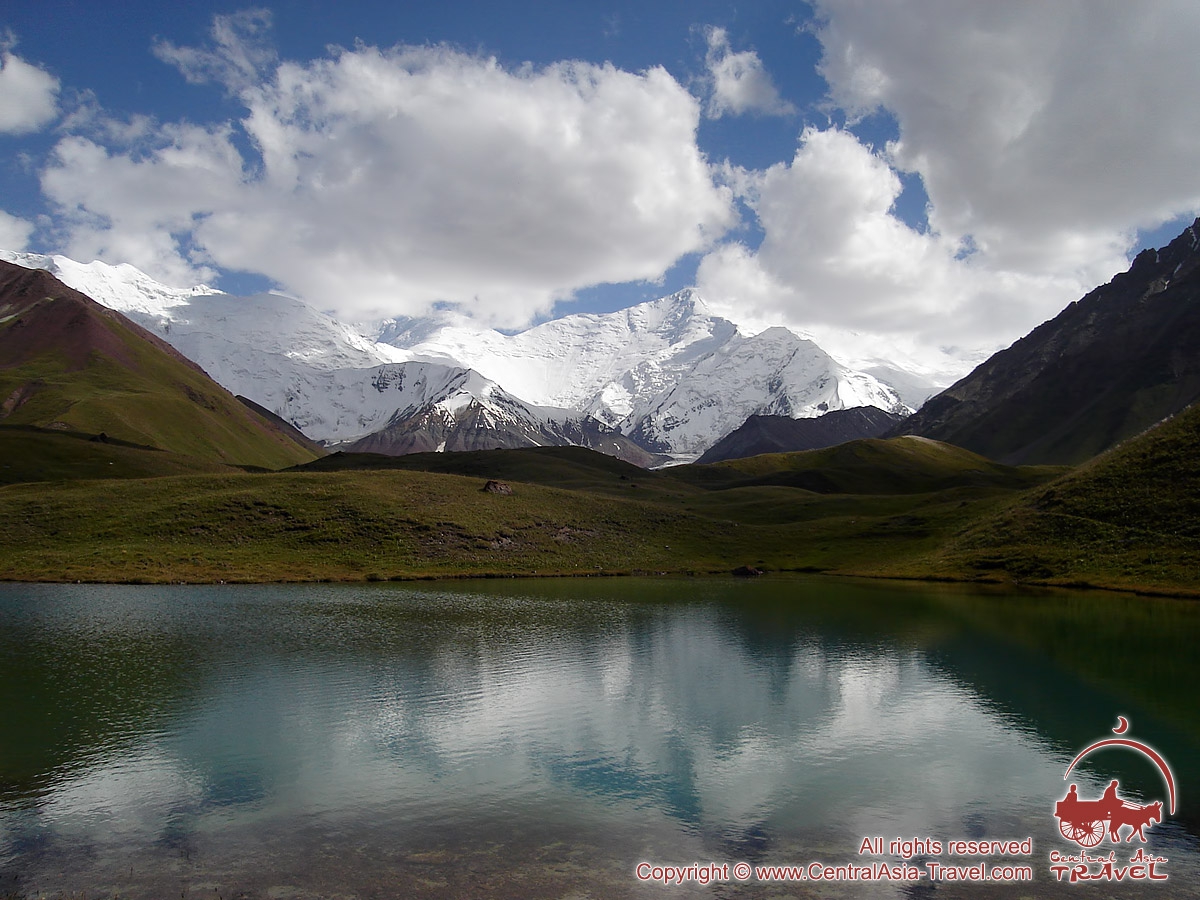
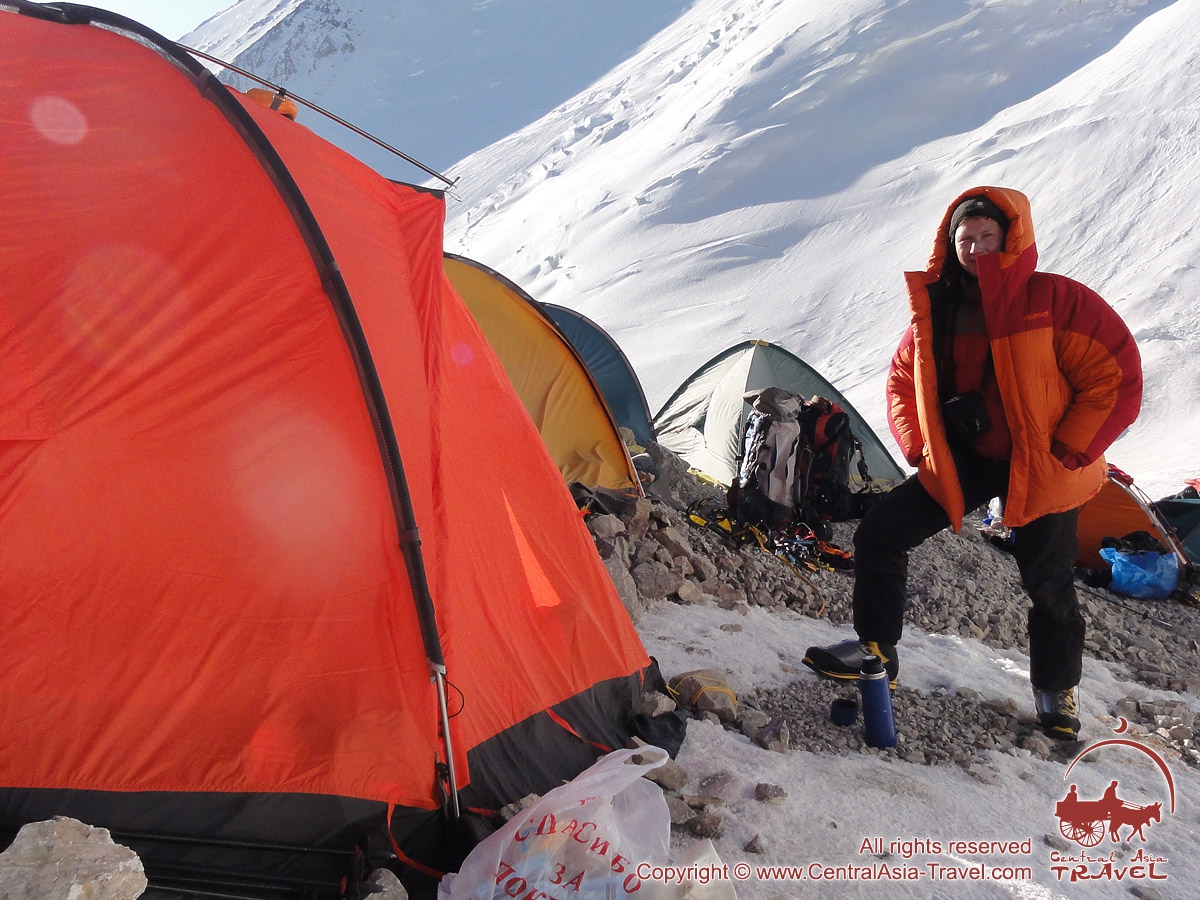

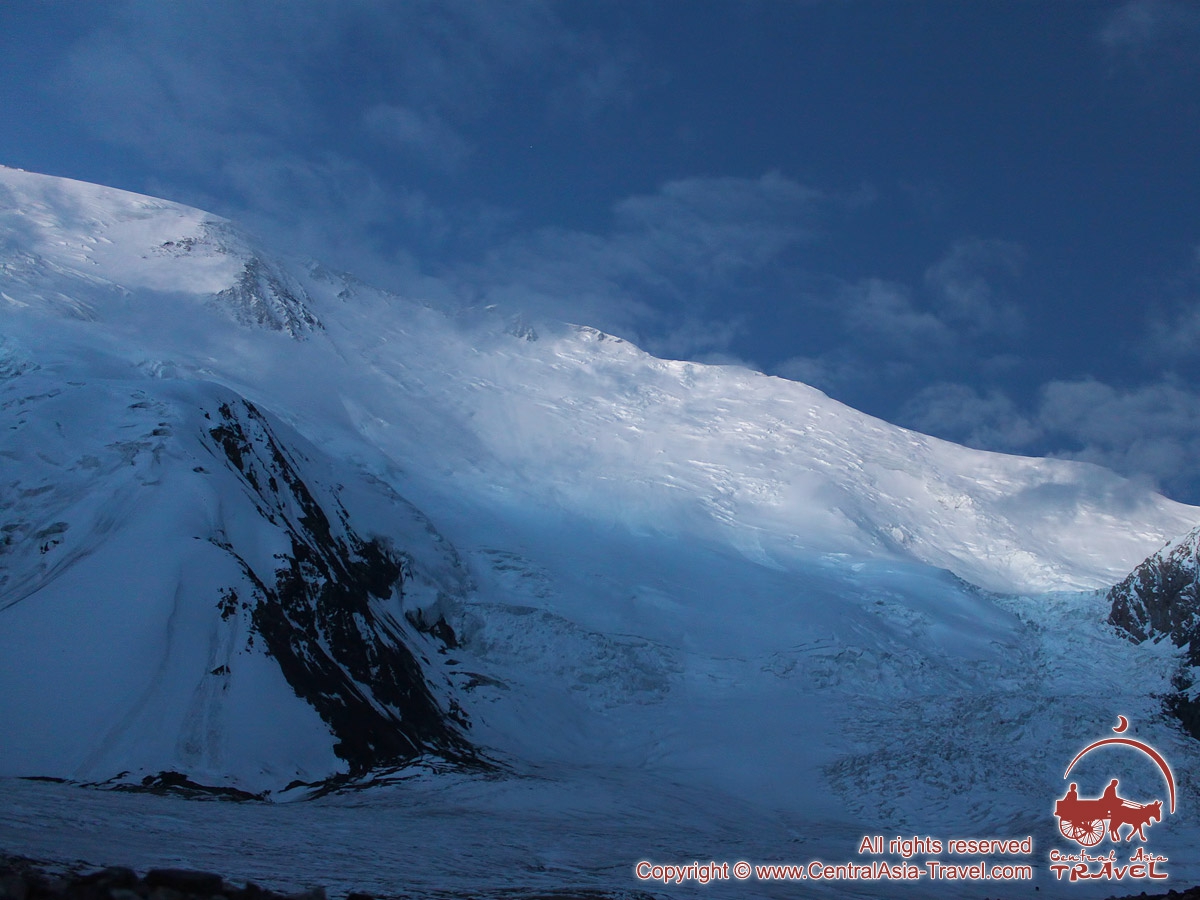
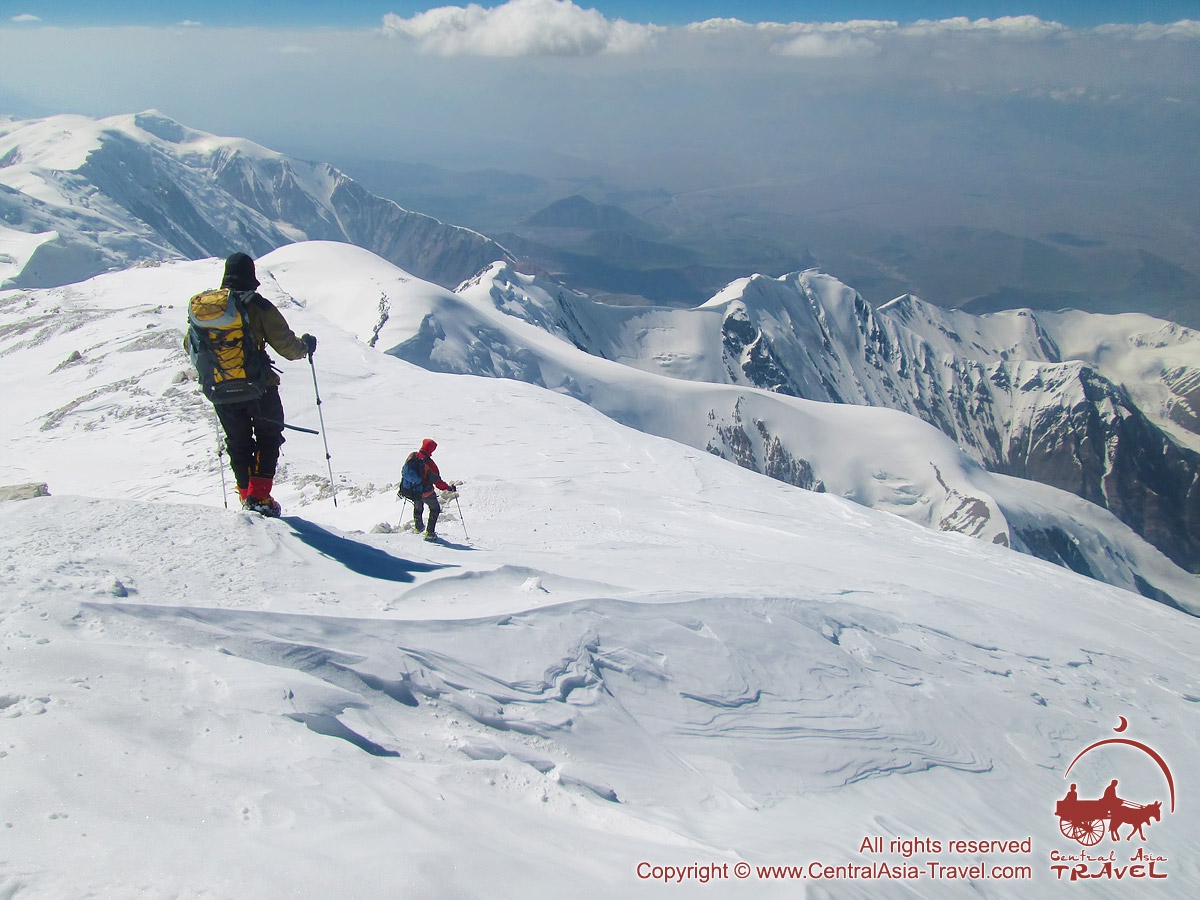



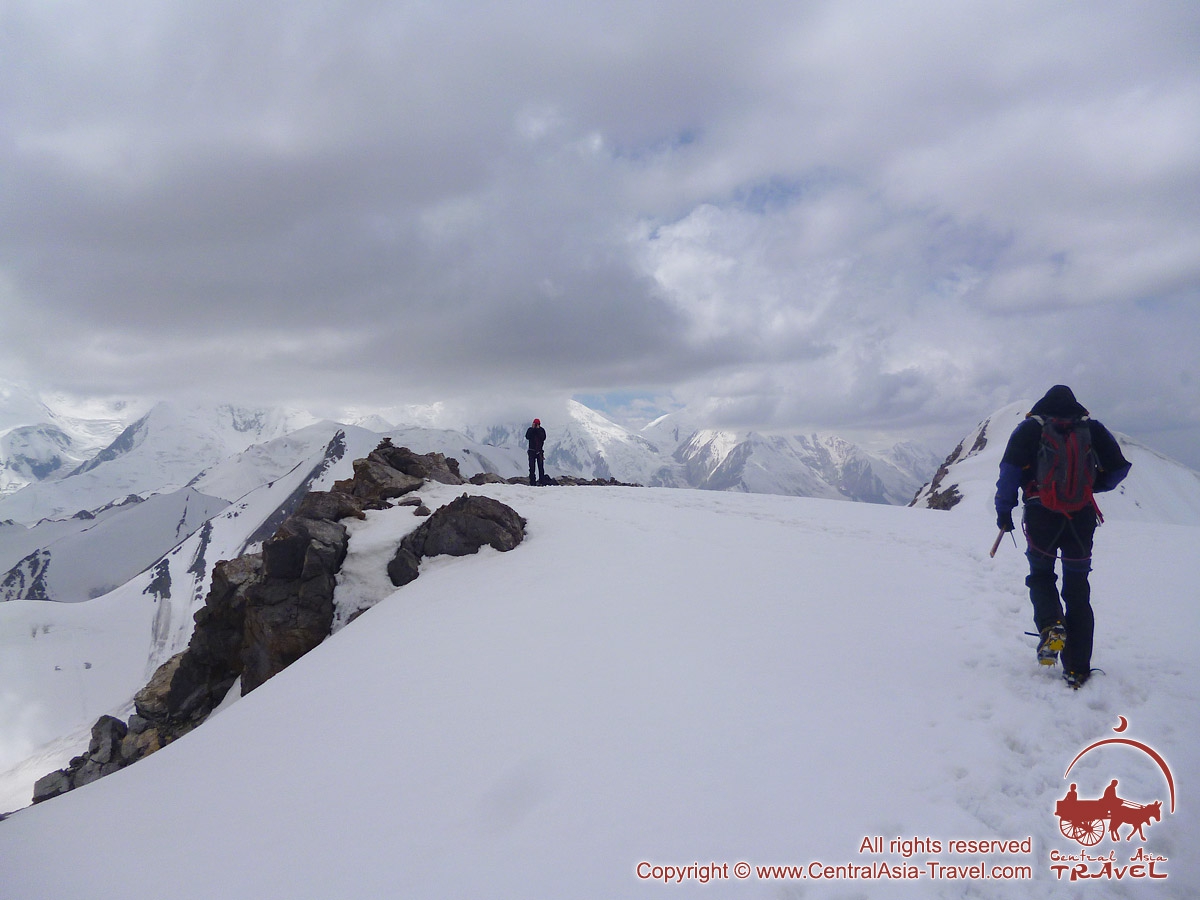
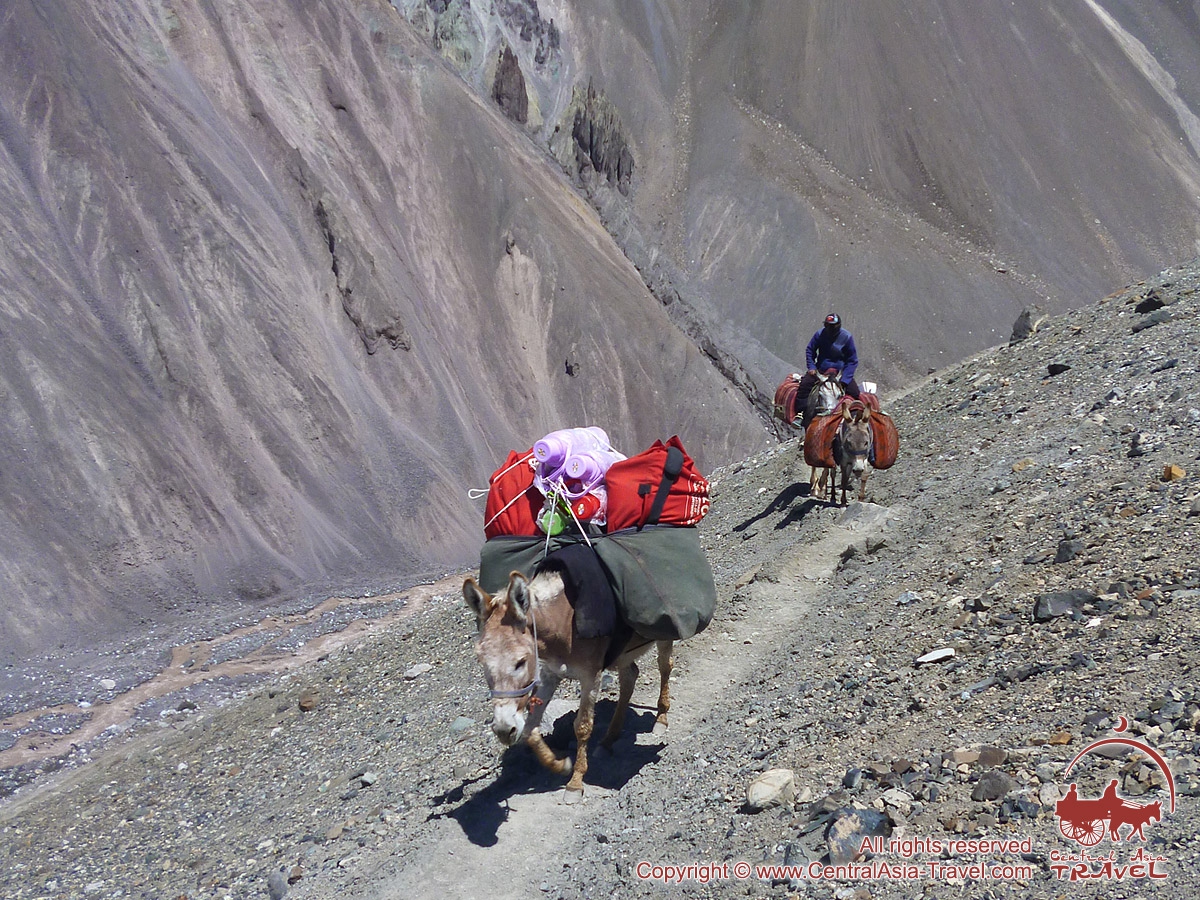
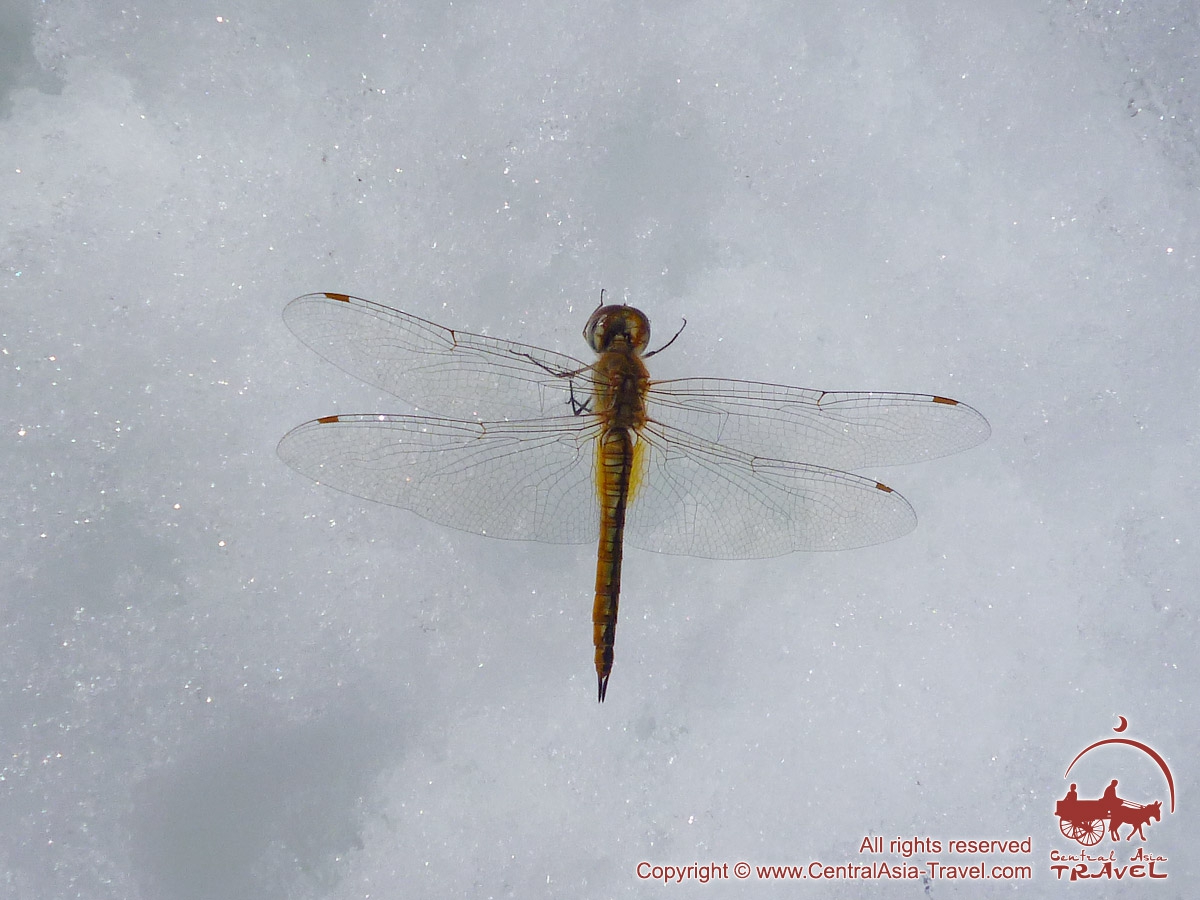
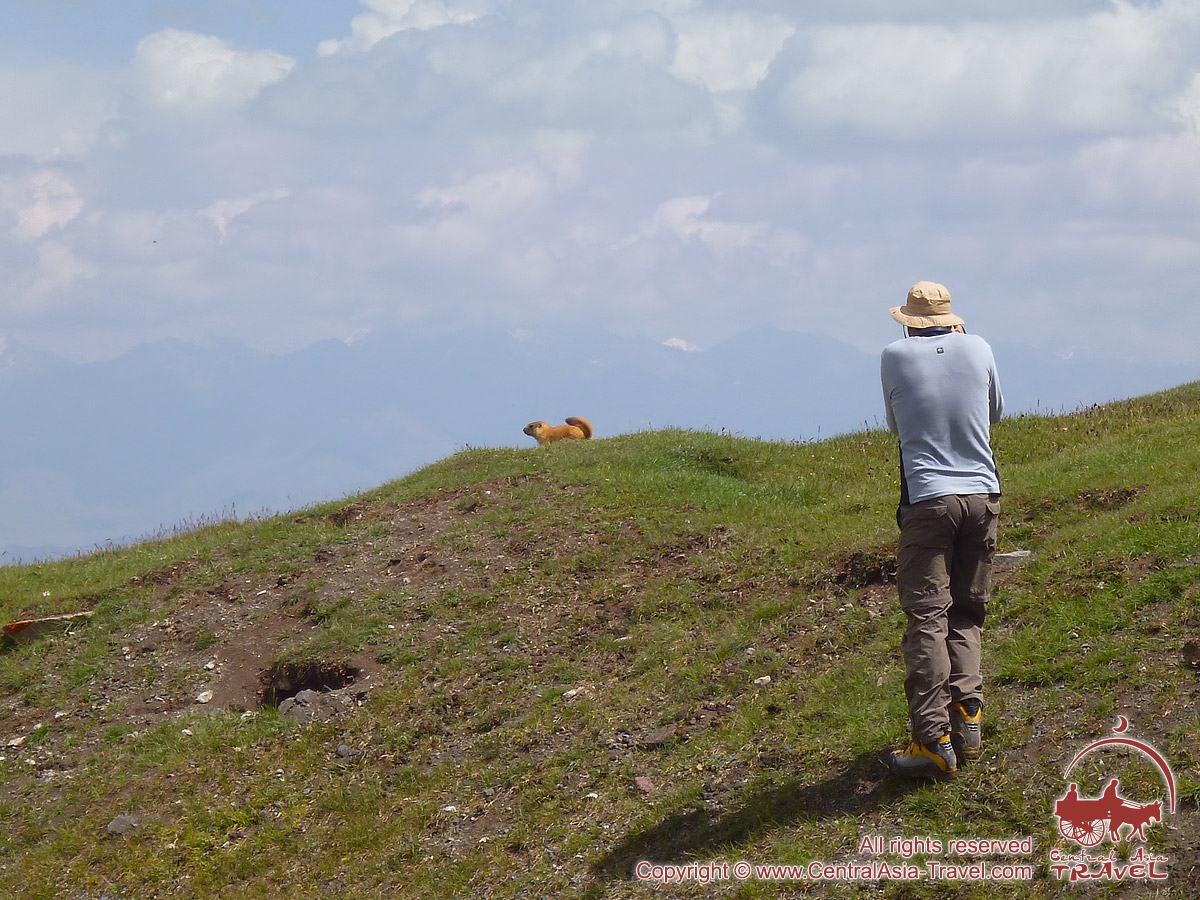


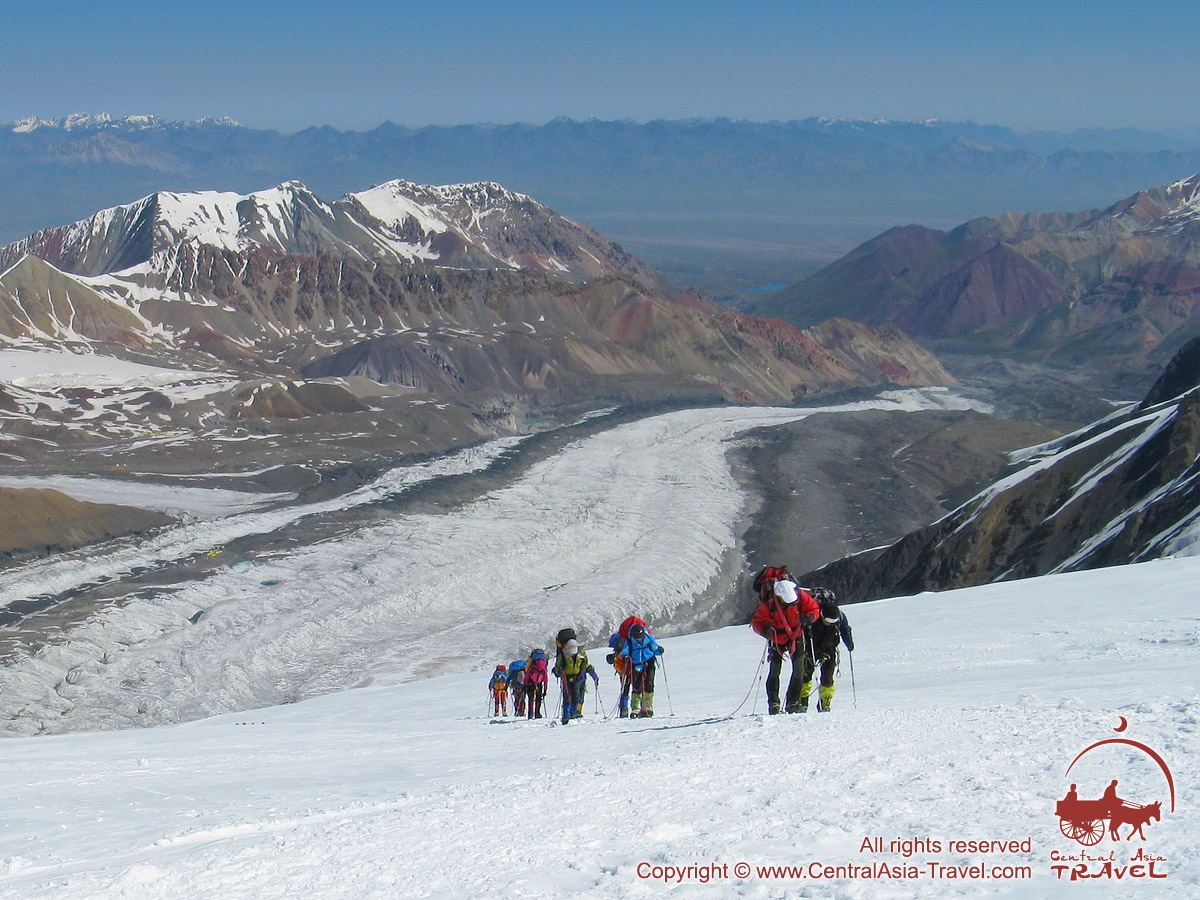
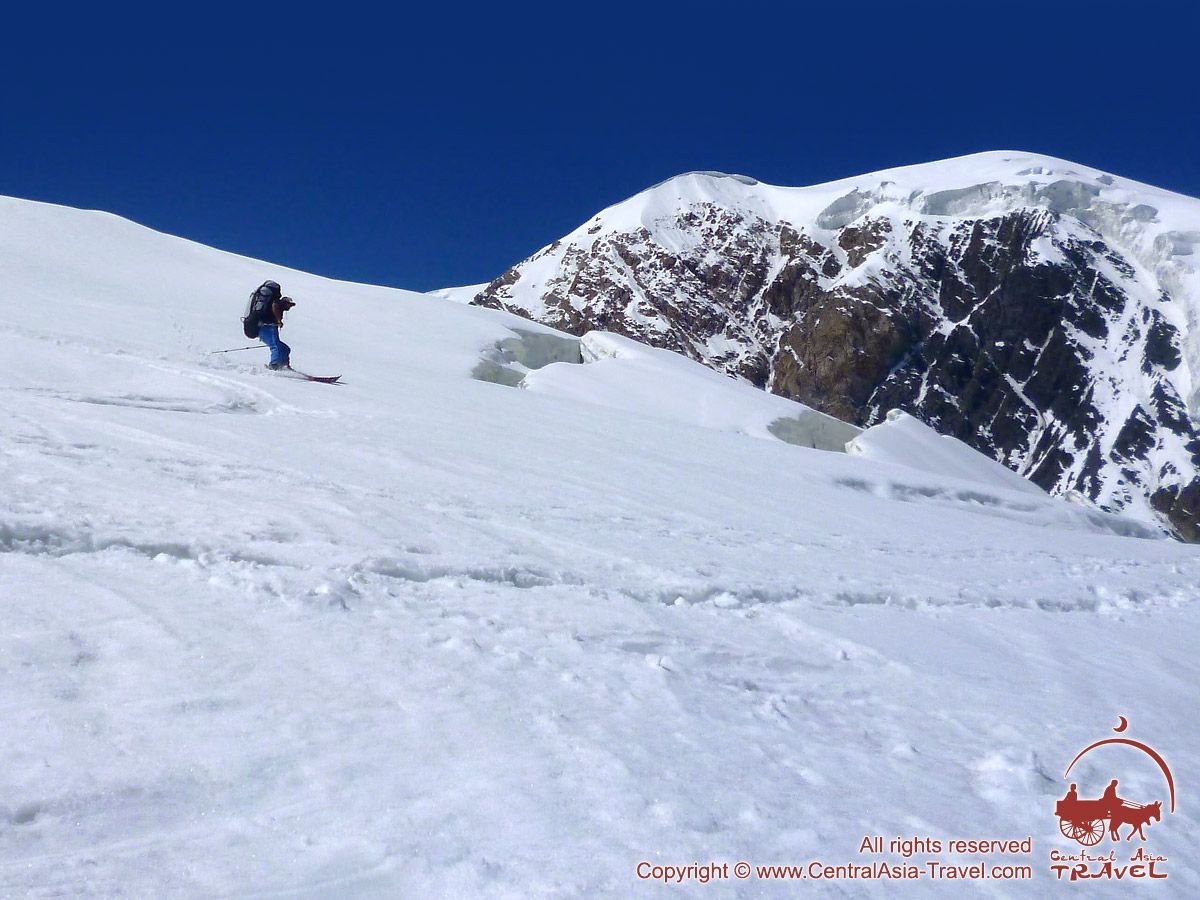
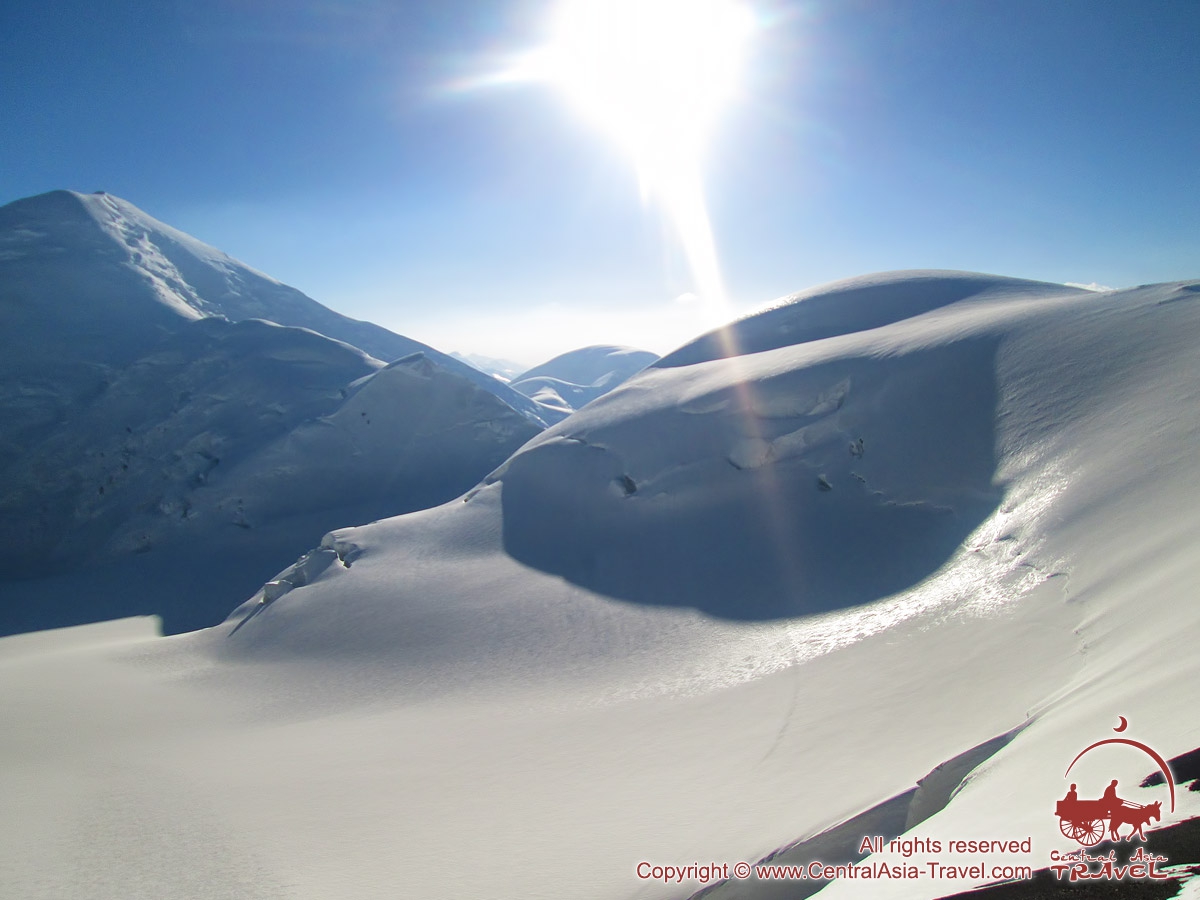
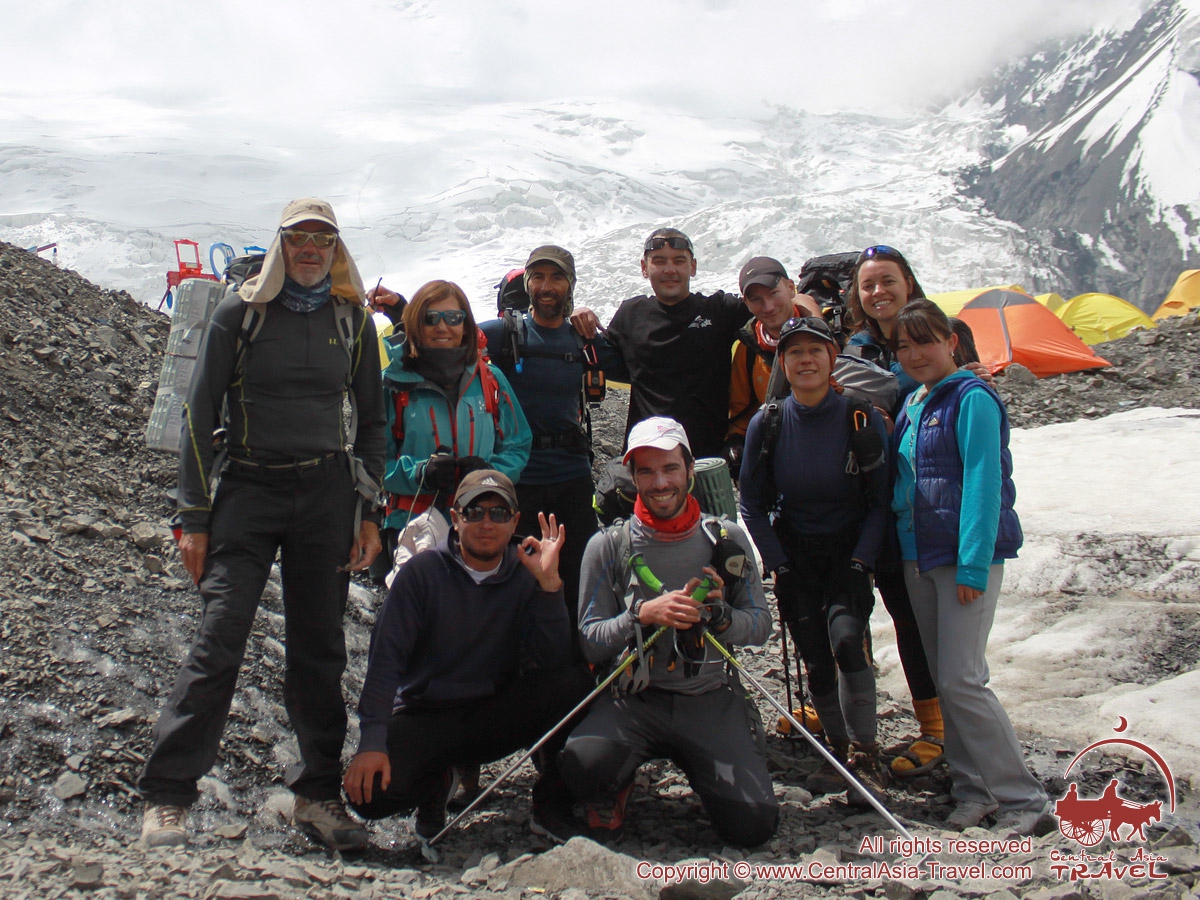


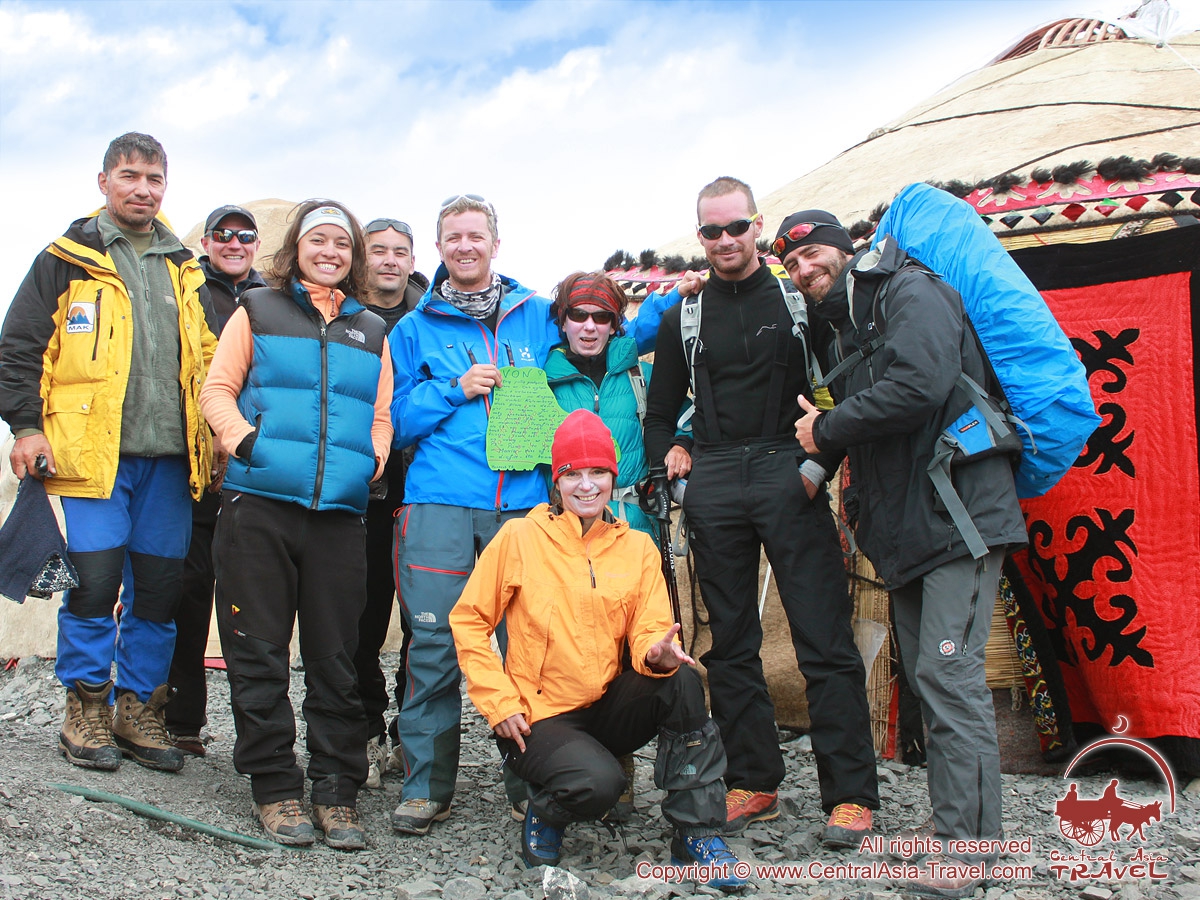

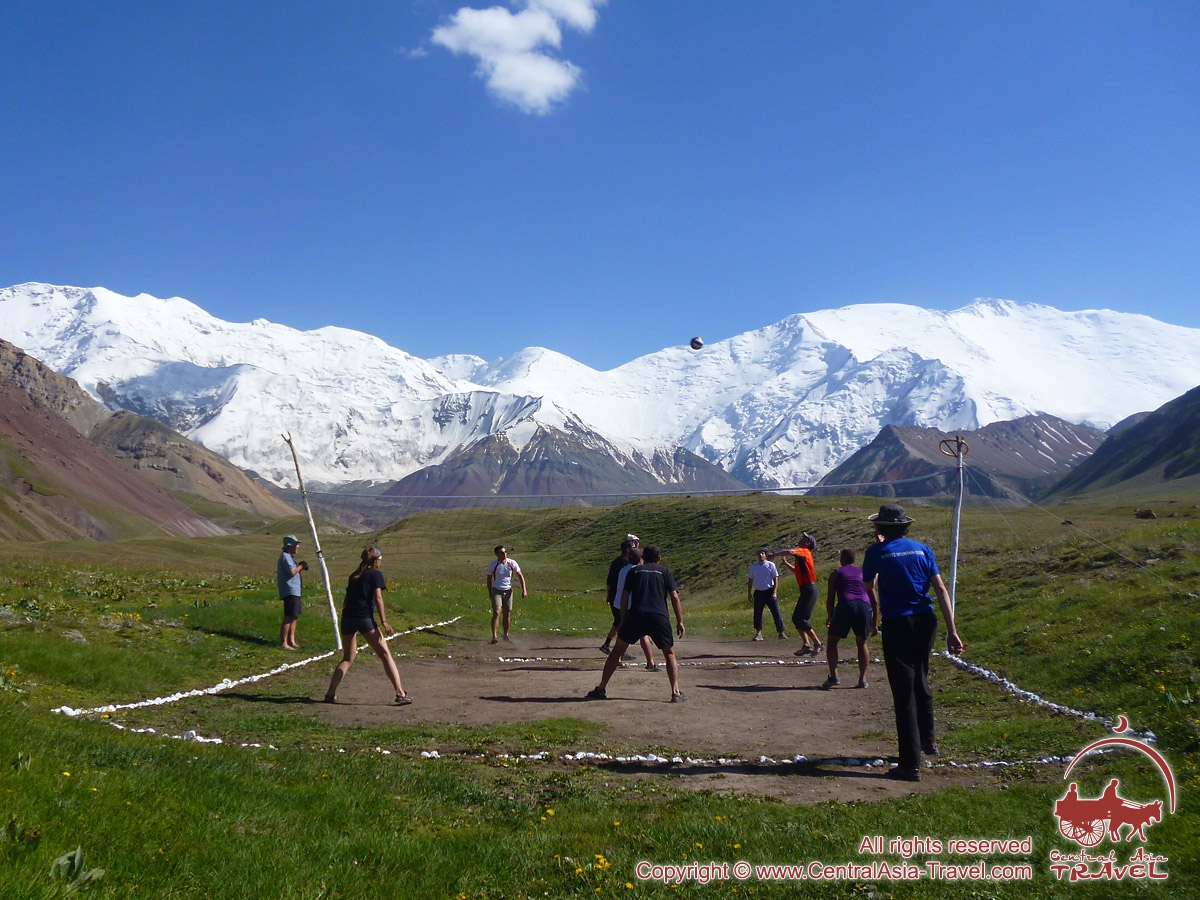
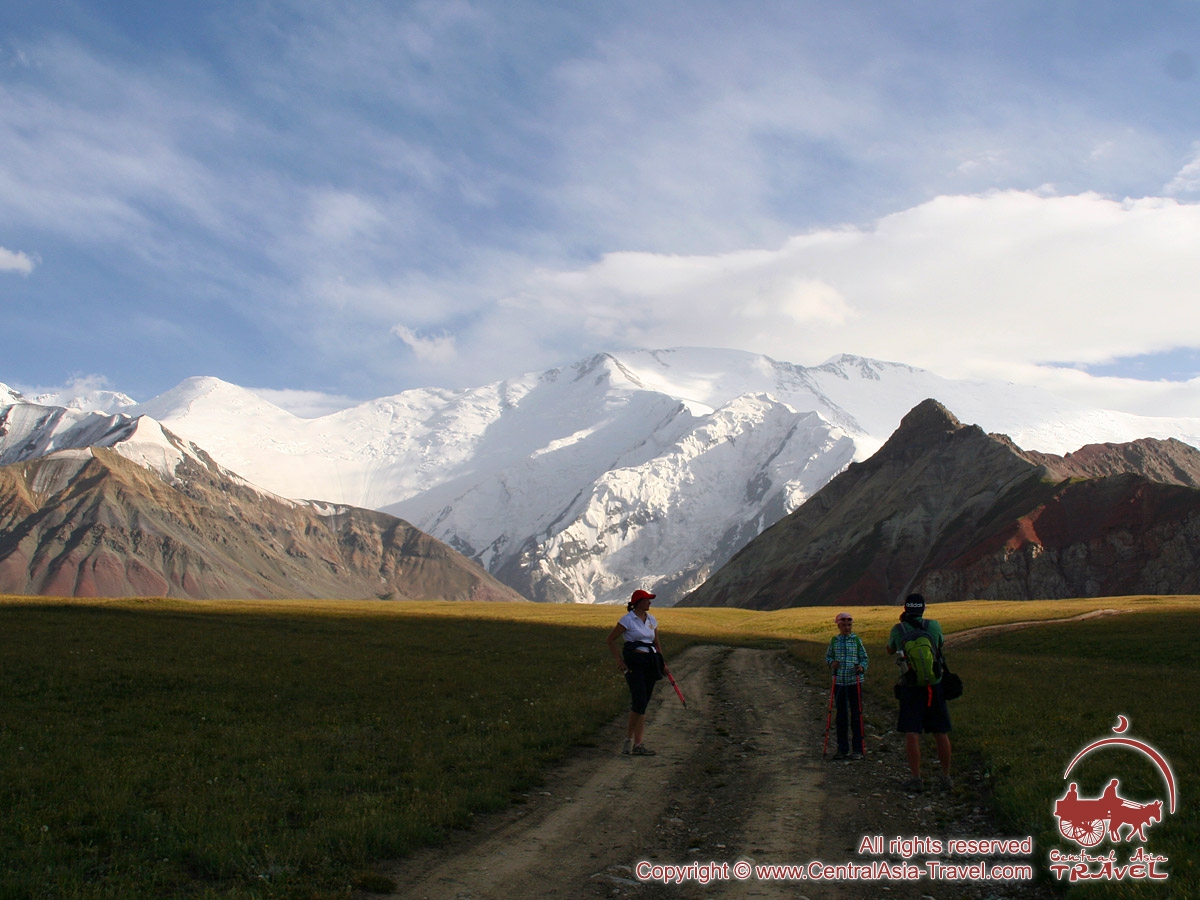

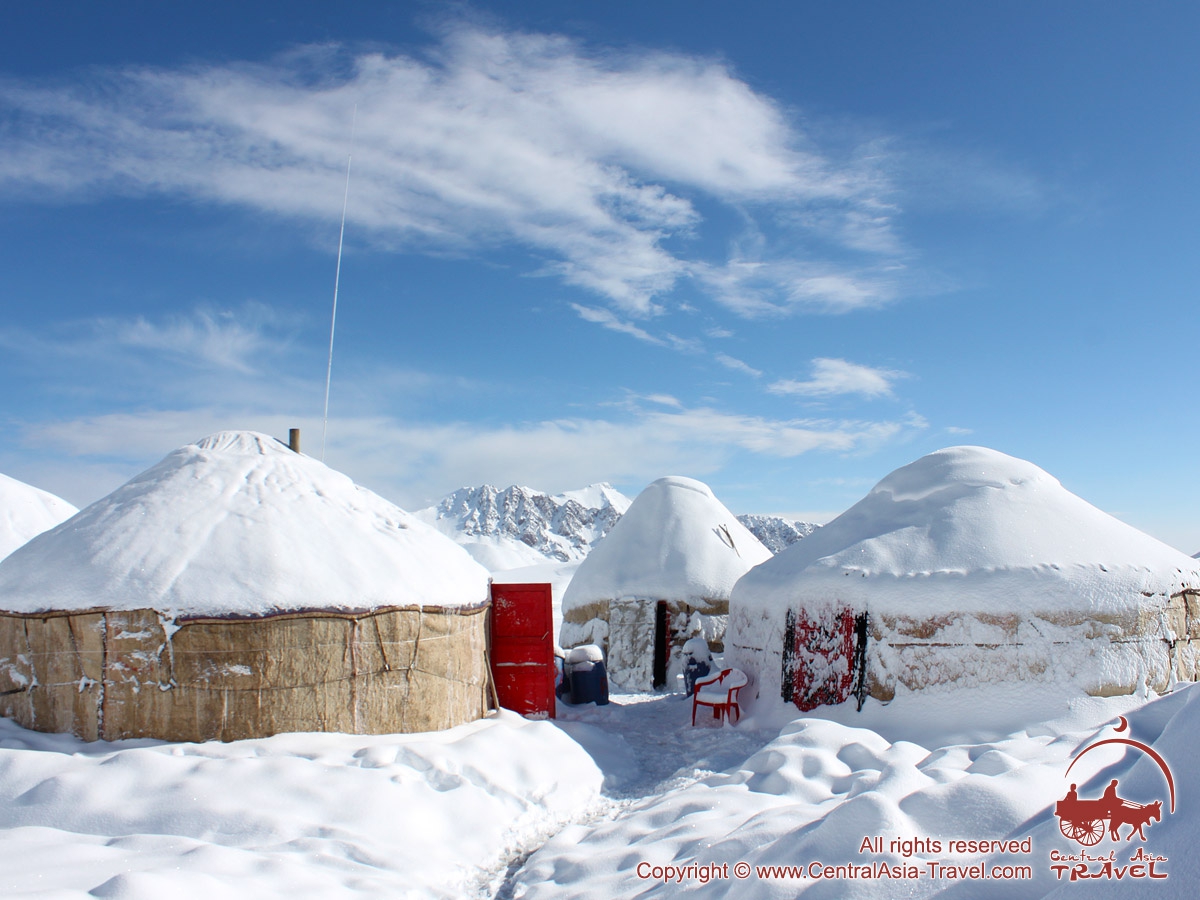





























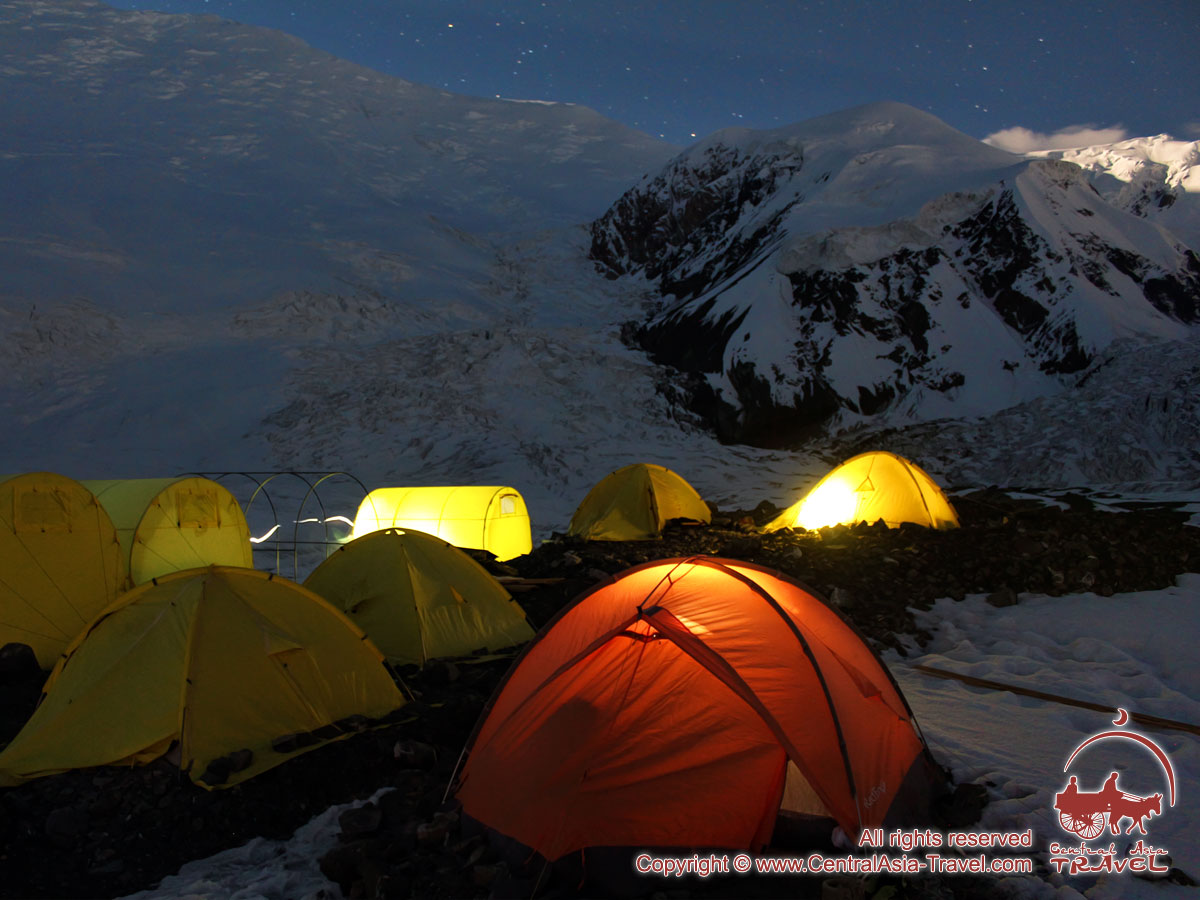
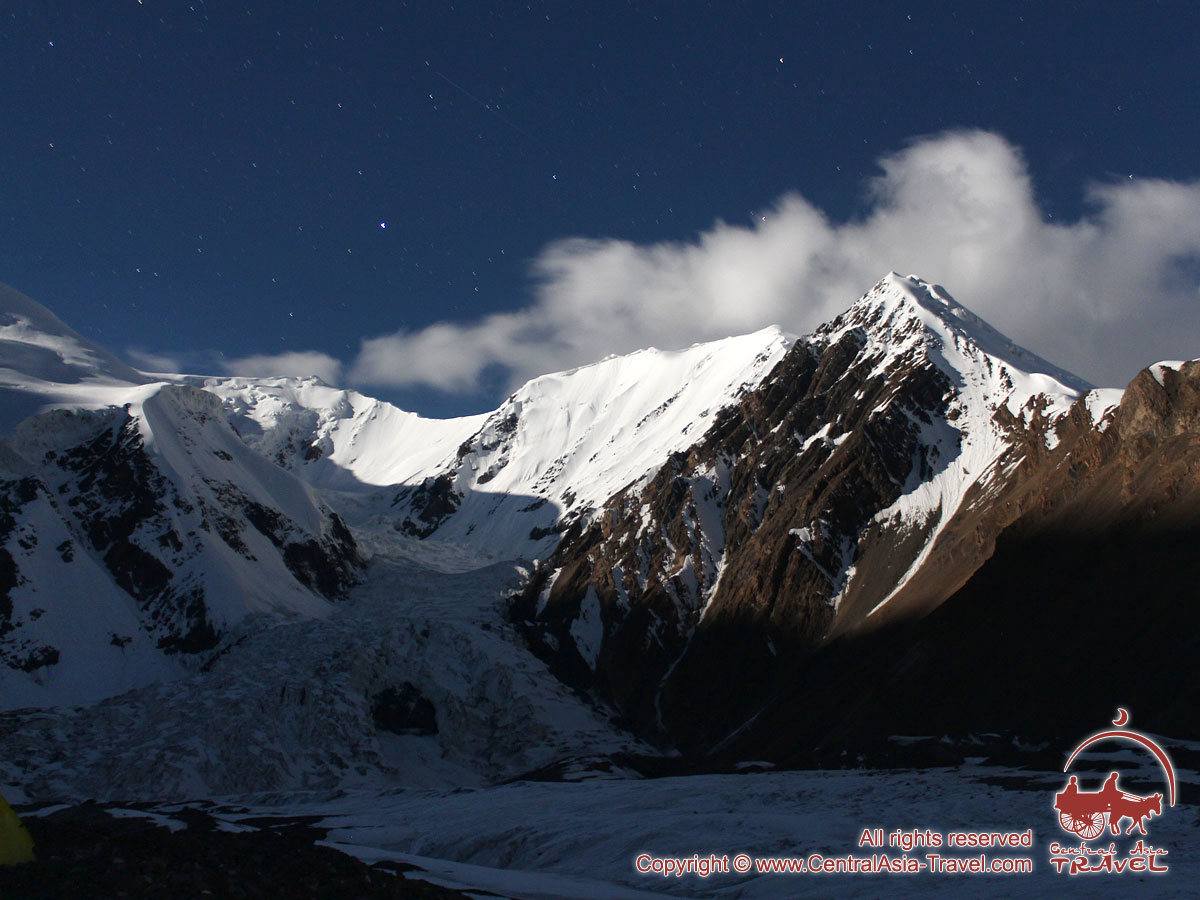
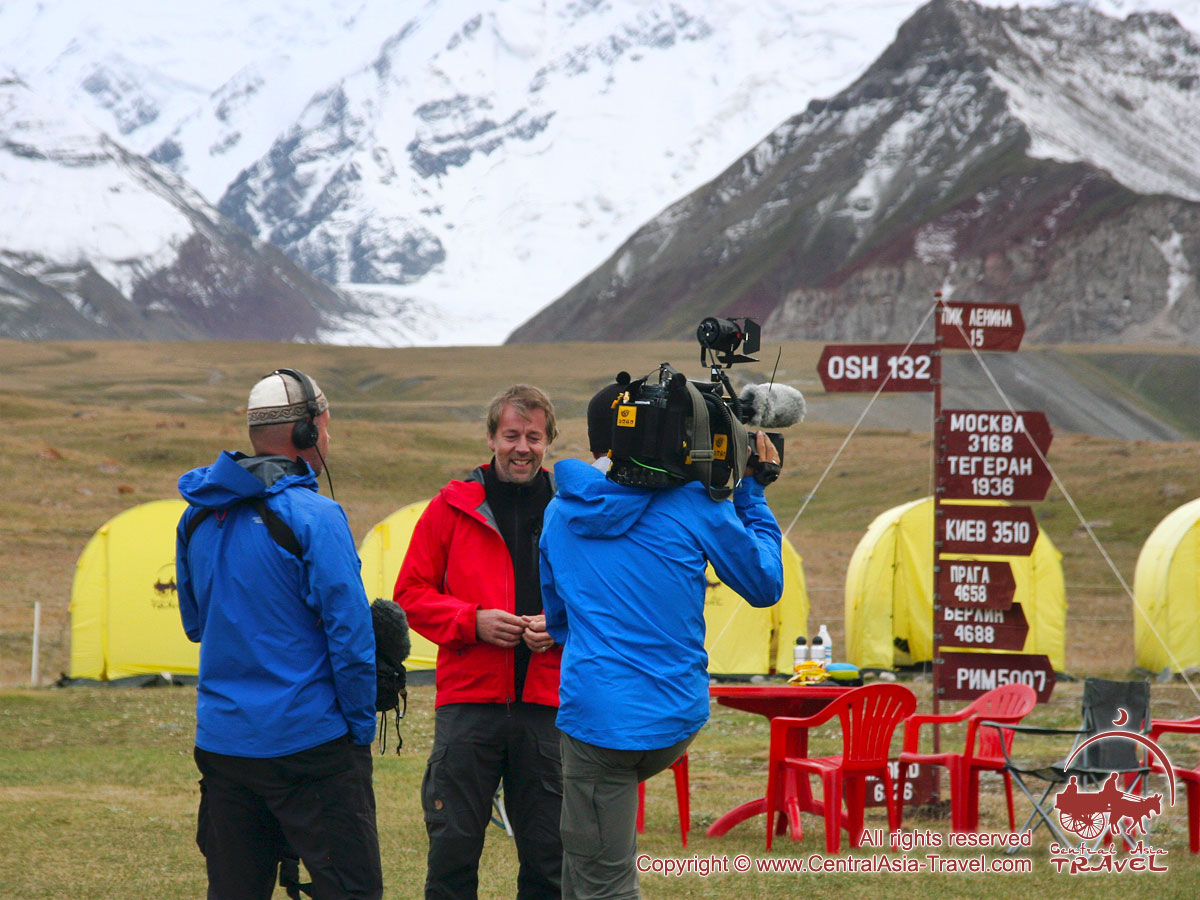

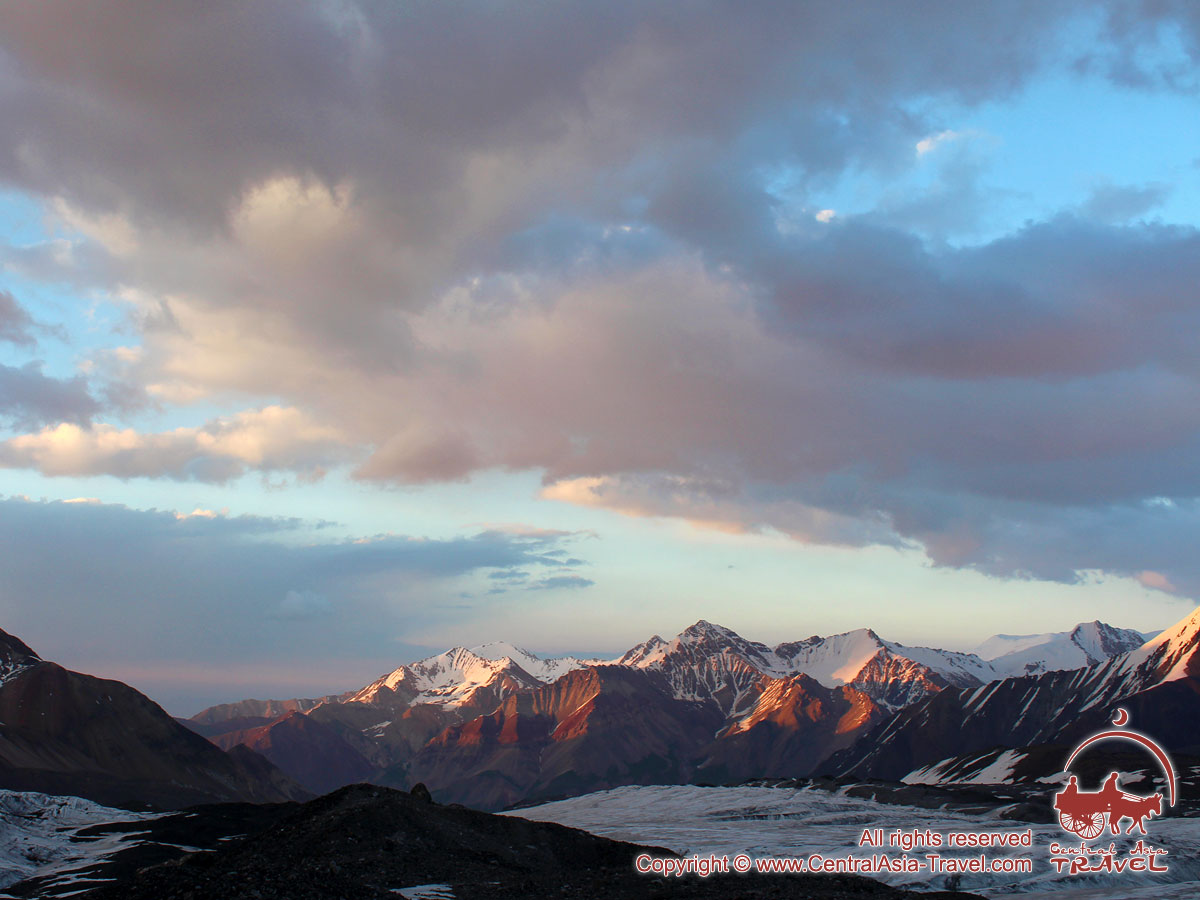





see all photos of Lenin peak »»
Videos of the Lenin Peak tour:
Video about Lenin Peak, video about Base camps, video of ascension on Lenin Peak.
 Pamir Experience 2016 Pamir Experience 2016 |
 Base Camp Surroundings Base Camp SurroundingsOn The Foot Of Lenin Peak |
 Lenin Peak Slideshow Lenin Peak Slideshow |
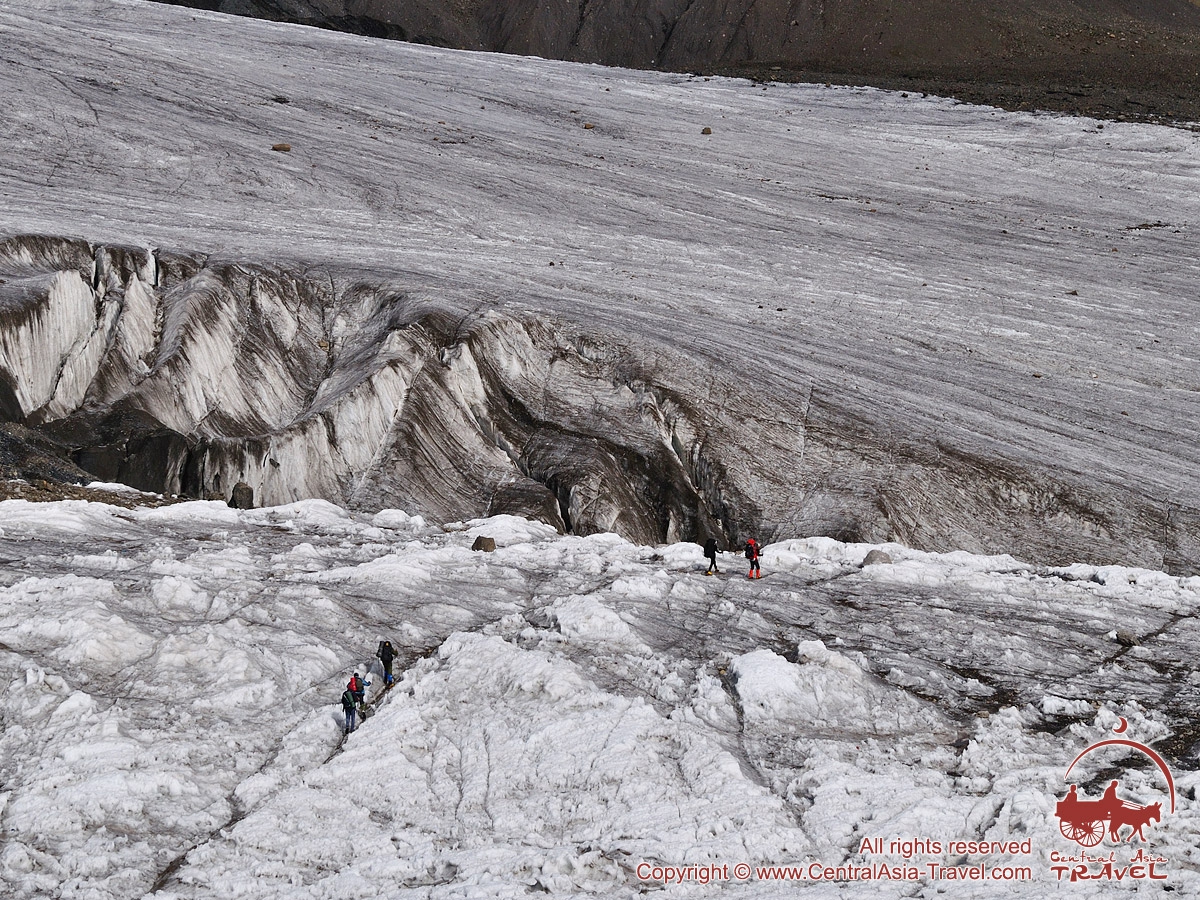
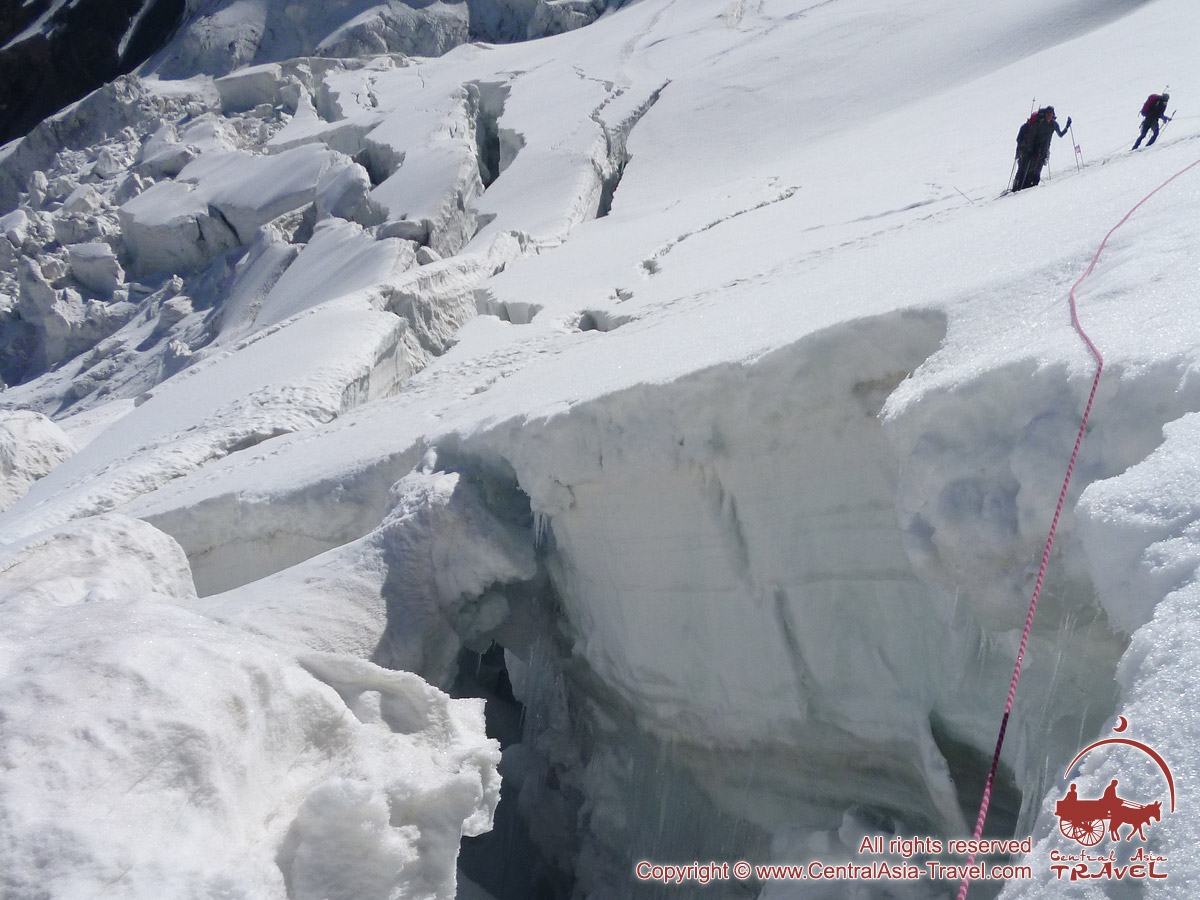
 Descent to the glacier’s crevasse. Lenin Peak |

Useful links:
|
|
|
TOUR ORDER
To submit the form you need to consent to the processing of personal data.